By Palesa Matlala
- Kruger rangers face armed poachers daily while investigating elephant killings and recent poaching camps in a 2-million-hectare wilderness.
- Rangers undergo six-week intensive training, including 15km bush patrols and survival skills, but job opportunities are limited by budget constraints
The smell of burnt elephant meat and vulture feathers hit me like a punch to the face as we reached the crime scene deep in Kruger National Park.
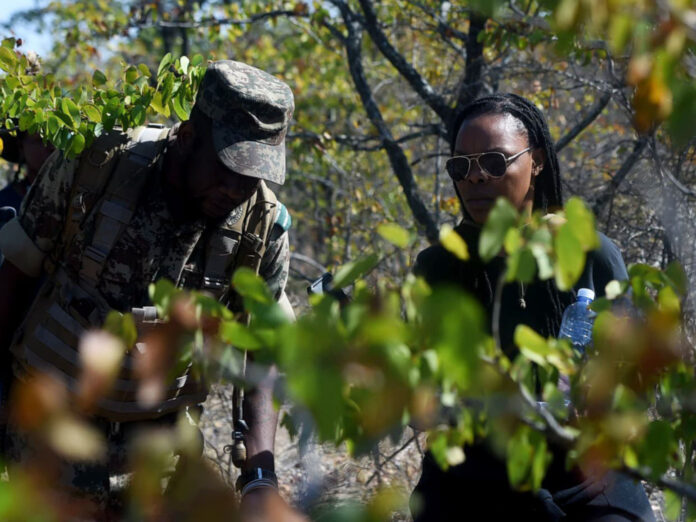
As a young journalist from Soweto, I had joined a group of rangers for a terrifying 9km walk into the scary bushes to witness where poachers had killed an elephant and poisoned its meat.
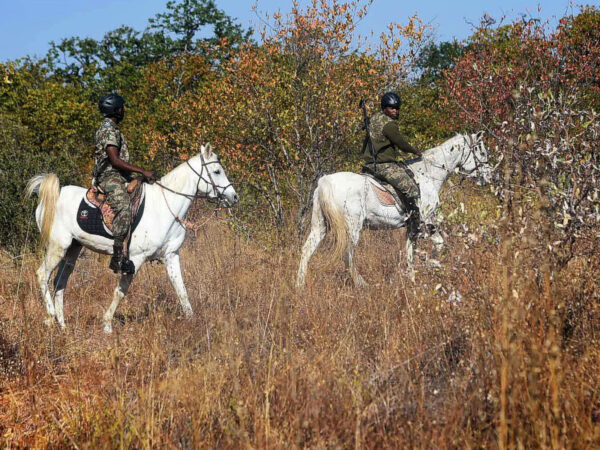
At 8:30am we were driven to the Mhlanga section, where we left our safari vehicles and walked on foot into the wilderness. Two horse rangers led us to make sure there wasn’t any danger ahead.
Not sure where we were going, I felt my chest burning and feet began to ache, wondering how much further I would have to walk.
I kept thinking: “What will happen if we come across any of the big five, but most of all a pride of lions? Or maybe even poachers because we were warned that they carry very powerful guns and aren’t scared of shooting at rangers.”
I kept my pace but could feel the scorching heat of Limpopo hurting my skin.
Masinidi Raselabe, the Mooiplaas Senior Section Ranger, kept showing me carcasses from vultures that ate the elephant’s meat laced with unknown poison after its tusks were harvested.
In my discomfort and fear I stood there and wondered: “Which weapon was used to kill the elephant, who did it, why they did it and how was all that meat carried out of Kruger?”
I could tell the rangers were uneasy, but they had to remain calm for our sake.
The two white horses escorting us began making distress sounds and my entire body was overcome with fear.
After about an hour, we began walking back to our vehicles but I could see this wasn’t the same footpath we used earlier.
“I am thirsty but I am afraid to sip my water because there are no toilets and I would have to relieve myself behind a tree. I ignored my thirst and kept walking.”
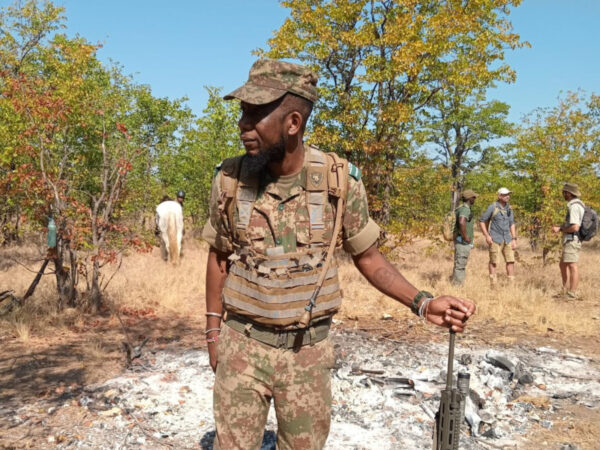
Huston Mhlari, a field ranger walking ahead of us, turned around and asked us to stop so we don’t contaminate a poachers’ camp while they investigate it.
The site was declared a “recent” camp by the rangers. I walked closer and saw an impala skin and feet, drying rope for meat, pots, six-gun spice, a reflector vest and ashes from the fire they used to keep warm during their illegal stay.
Our group broke into two and I nervously walked behind Phanny Risimati, a field guard, who followed the shoe prints of those who went ahead.
I asked him: “Uncle Phanny, how far are we?” He said: “About 3km away from our cars.”
At that moment I knew I might not finish the walk. I was tired, feeling hot from my all-black clothes and famished.
This is when I asked Phanny how he became a field guard.
“My father worked as a general worker for SanParks and he would take me to work during weekends and school holidays. I would see the other rangers and knew I wanted to be one. However, because of my short height, I didn’t qualify,” said Phanny.
He didn’t give up. He worked as a shopkeeper in the park and later qualified as a field ranger. Like many others, he had to undergo intensive six-week training which included early mornings, 15km foot patrols in the bush and survival skills.
Finally, we saw power lines and relief overcame me because I knew we weren’t far from our safari vehicles.
In my reflections, I appreciated the experience and understanding of what wildlife rangers go through daily, including risking their lives.
Though many young people from communities near Kruger National Park dream of becoming rangers, there aren’t enough job opportunities due to limited budget.
Pictured above: The walk in the wilderness with Kruger rangers.
Image source: Palesa Matlala