The latest fight over the Zulu throne echoes bloody royal power struggles that go back more than 200 years, writes Celani Sikhakhane in Mzansi Royal Column.
The battle over the Zulu throne now in the Supreme Court of Appeal is not new. The royal family has a long and bloody history of fighting for the crown — going back over 200 years.
After the death of their father King Senzangakhona kaJama, Prince Sigujana was made chief. But his half-brother, King Shaka kaSenzangakhona, had other plans.
King Shaka, who had been staying with King Dingiswayo of the Mthethwa clan, returned home with military support. He overthrew and killed Sigujana to take the throne and became leader of the Zulu nation.
But Shaka’s reign ended just as violently. In 1828, he was stabbed to death by his own half-brothers King Dingane and Prince Mhlangana, with help from his assistant Mbopha kaSitayi. The attack happened at Shaka’s kwaDukuza homestead.
The killing was reportedly driven by anger over Shaka’s cruel rule and his mental state after the death of his mother, Queen Nandi.
After becoming king, Dingane had Prince Mhlangana killed and purged all supporters of Shaka to keep his power.
Later, King Mpande kaSenzangakhona rose to the throne through another power struggle. In 1840, he defeated King Dingane with help from Afrikaners (Boers) during the Battle of Maqongqo. Their support, along with a Zulu coronation, secured Mpande’s rule.
But the battles didn’t end there.
When King Bhekuzulu Cyprian kaSolomon died, his brother Prince Mcwayizeni kaSolomon acted as regent until King Zwelithini kaBhekuzulu could take over.
There were rumours that Prince Mcwayizeni was reluctant to step down in 1971. The tension was linked to his rivalry with cousin Prince Mangosuthu Buthelezi.
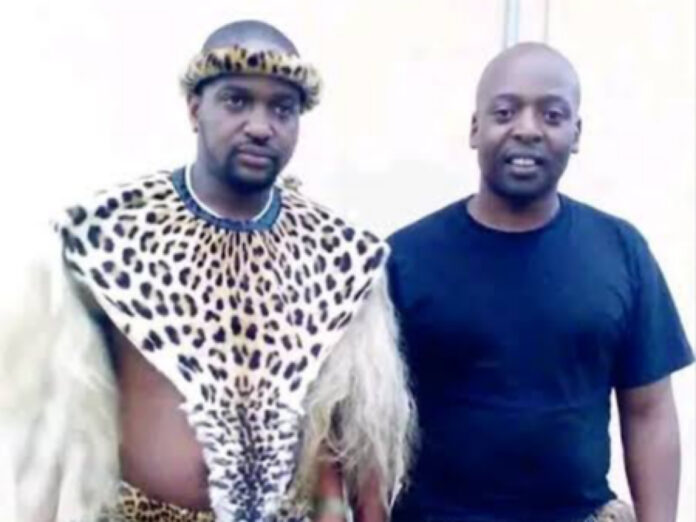
Now, history repeats itself as King Misuzulu kaZwelithini faces a legal challenge from his half-brother Prince Simakade kaZwelithini over the right to the throne.
Pictured above: King Misuzulu kaZwelithini with his half-brother Prince Simakade kaZwelithini during their younger days as royal sons of King Zwelithini kaBhekuzulu and Queen Regent Mantfombi kaSobhuza
Image source: Zulu Royal Kingdom