
By Rorisang Modiba
- Tebogo Komane, 42, from Rosslyn Gardens says her family delays buying clothes and falls behind on bills to keep her children in private school.
- Private school fees rose 6.4% in 2026, nearly double South Africa’s inflation rate, with the chairperson of a national schools body saying defaults are rising.
Tebogo Komane and her husband both have steady jobs. She works as an administrator at a municipality. He is a fleet manager at another. Between them, they bring in two incomes every month.
It is still not enough.
The 42-year-old mother of two from Rosslyn Gardens says her family cuts back on groceries, delays buying clothes and skips other basic needs to make sure her children’s private school fees are paid on time.
“We have had to reduce spending on groceries, electricity and other household needs just to make sure the school fees are paid. Sometimes we also delay buying clothes or other necessities because education has to come first,” Komane said.
Private school fees in South Africa rose by an average of 6.4% in 2026, nearly double the country’s inflation rate of 3.5% at the end of 2025. Private secondary school fees saw the steepest increase, rising 7.5%. William Bester, chairperson of the National Alliance of Independent Schools Associations, said schools are seeing a rise in parents who cannot keep up.
“I do think parents are struggling to pay fees, and we are seeing an increase in defaulting parents. I believe this is a trend in independent schools across all fee categories,” Bester said.
For Komane, falling behind has already happened. When her family could not cover the full amount, the school allowed them to pay in instalments.
“The school sent reminders and requested that we arrange a payment plan. Fortunately, they allowed us to pay the outstanding amount over time instead of demanding the full amount immediately,” she said.
The pressure reaches her children directly. There are school activities they cannot join and uniforms bought late because the money is not there when it is needed.
“There were occasions when my children could not participate in certain school activities because we could not afford the extra costs. They felt embarrassed compared to their classmates,” Komane said.
South African households are already stretched before education costs are added. The Pietermaritzburg Economic Justice and Dignity Group found that a family of four living on the National Minimum Wage spends more on food alone than one monthly minimum wage earns.
For the Komane family, every fee increase means one more decision about what gets cut next.
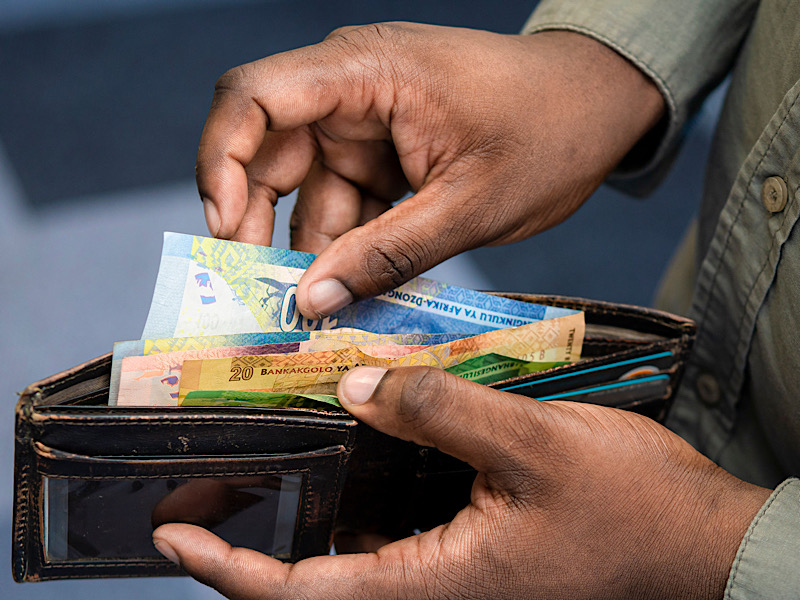
Pictured above: A South African family cutting back on groceries and electricity to keep their children in private school as fees rise nearly twice as fast as inflation.
Image source: Pexels