By Rorisang Modiba
- Nersa approved R54.7-billion additional revenue for Eskom on Saturday following a court order to recalculate the utility’s generation costs.
- Electricity prices rose 8.76% from April 2026 and 8.83% in 2027, making power nearly 18.4% more expensive by April 2027.
The National Energy Regulator of South Africa (Nersa) has approved R54.7-billion additional revenue for Eskom. This will push electricity prices nearly 18.4% higher by April 2027.
Nersa made the decision on Saturday following a court-ordered recalculation of Eskom’s costs.
The problem began with a calculation error Nersa identified more than a year ago. The error meant Eskom’s costs were under-calculated.
Eskom initially claimed the error created a R107-billion revenue shortfall. The power utility later agreed to settle for R54-billion after negotiations.
The settlement was quietly reached in early 2025. It only became public in August 2025 after an investigative report by Moneyweb.
Civil society organisation AfriForum challenged the process in court. They argued the adjustment required public consultation.
In December 2025, the High Court ruled the R54-billion figure was “little more than a thumb-suck”. The court ordered Nersa to redo its calculation.
Nersa launched public consultations on 30 December 2025. On Sunday, the regulator confirmed it had completed a component-by-component recalculation of Eskom’s costs using the same data Eskom originally submitted.
Eskom will recover the money in phases. R12-billion will come in the 2026/27 financial year. Another R23-billion comes in 2027/28. The remaining R19.7-billion will be collected beyond that period.
Electricity tariffs will rise 8.76% in 2026/27. This is up from the previously approved 5.36%. Tariffs will rise another 8.83% in 2027/28 instead of 6.19%.
The increases take effect on 1 April 2026 for Eskom direct customers. Municipal customers will pay more from 1 July 2026.
Nersa said the phased approach ensures Eskom’s financial sustainability while limiting tariff volatility. However, the regulator’s decision to land on the same R54-billion figure previously criticised by the court may expose it to further legal challenges.
Critics say the pricing model is flawed. Efficient Group chief economist Dawie Roodt has said Nersa has no clear way to determine appropriate electricity prices without market forces. This allows Eskom to pass inefficiencies, rising operating costs and a ballooning wage bill to consumers.
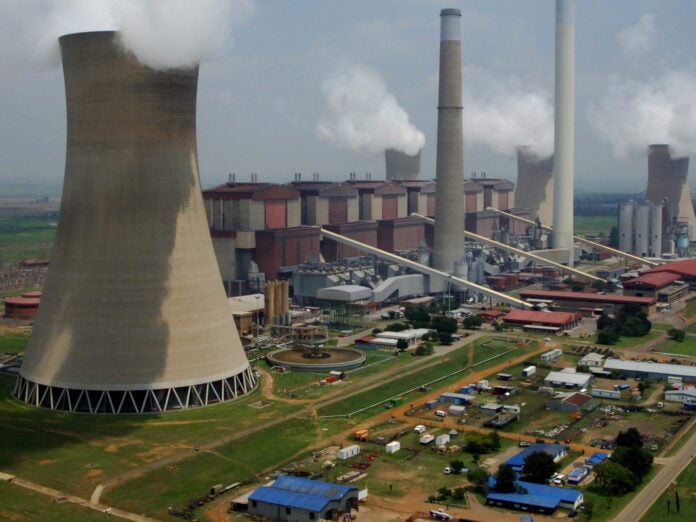
Pictured above: Eskom infrastructure.
Image source: File