By Thabo Molelekwa for Oxpeckers
In Merafong Local Municipality on Gauteng’s West Rand, households are connected to the national grid but cannot afford electricity, revealing how prepaid power, municipal debt and gaps in oversight are pushing communities into energy poverty.
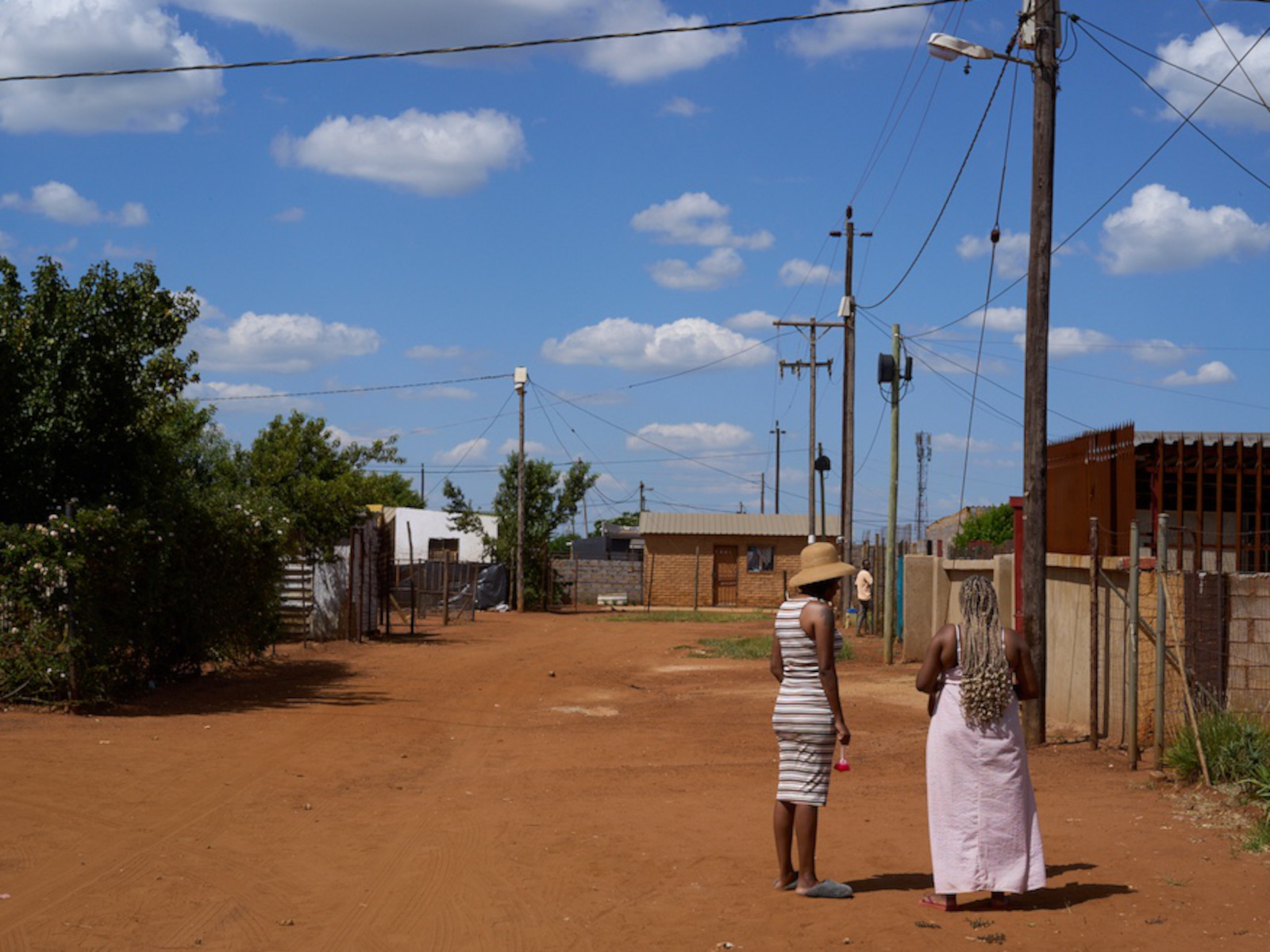
Power lines run overhead, electricity meters are fixed to homes, and official records list households as electrified. Yet inside many homes Oxpeckers recently observed, the lights were off. For a growing number of residents, the question is no longer whether electricity is available, but whether it is affordable enough to use.
Across Carletonville and Khutsong, communities shaped by gold mining within Merafong municipality, households described long periods without power after their free basic electricity allocations and prepaid electricity units run out. Homes remain physically connected to the grid, but electricity use becomes sporadic or disappears entirely – a phenomenon researchers and civil-society groups describe as “self-disconnection”.
For some households, rising costs and prepaid metering systems have effectively turned municipal electricity into a backup source, used only when money allows, rather than a reliable, primary source of energy. This pattern emerged consistently in interviews conducted by Oxpeckers with residents in the area.
This story was produced by Oxpeckers Investigative Environmental Journalism and shared with Scrolla.Africa as part of a content partnership. Read the full investigation here.
Pictured above: Power lines run overhead, electricity meters are fixed to homes, and official records list households as electrified. Yet inside many homes, the lights were off.
Image source: Barry Christianson