By Everson Luhanga
- Almost half of all people run out of money and need to borrow cash before the end of the month.
- Experts say putting away even a tiny amount on payday helps build a safety net for sudden bills and emergencies.
Many families in South Africa are forced to live from one payday to the next. When the money runs out, they borrow cash just to pay for food, transport and basic needs.
Things get much worse when sudden costs come up. Medical bills, car repairs, home problems or losing a job can hit at any time. Without savings, families have to take on more debt.
A survey by JustMoney shows exactly how hard things are right now. The numbers show that 42% of people have to borrow money before the month is over.
Only 9% of people manage to save at least 10% of their income. Families who support four or more dependants have only a 6% chance of saving enough each month.
Sarah Nicholson from JustMoney says emergency savings are the key to staying financially stable.
“They help people deal with short term problems without falling into long term debt,” she said.
She says you do not need big money to start. Putting away just R50 or R100 every month will slowly build a safety net. The important thing is to stay consistent.
Nicholson says savings must be treated like a fixed monthly cost. Setting up an automatic transfer on payday can help people stay disciplined.
She says people can use extra income like bonuses, overtime or tax refunds to boost savings. Cutting out small costs like takeaways or unused subscriptions will also free up cash.
Experts say people should aim to save enough to cover three to six months of living costs. But Nicholson says it is fine to start with a smaller goal, like saving R1,000.
She says emergency savings should be kept separate from daily spending. People can use savings accounts, notice accounts or money market accounts.
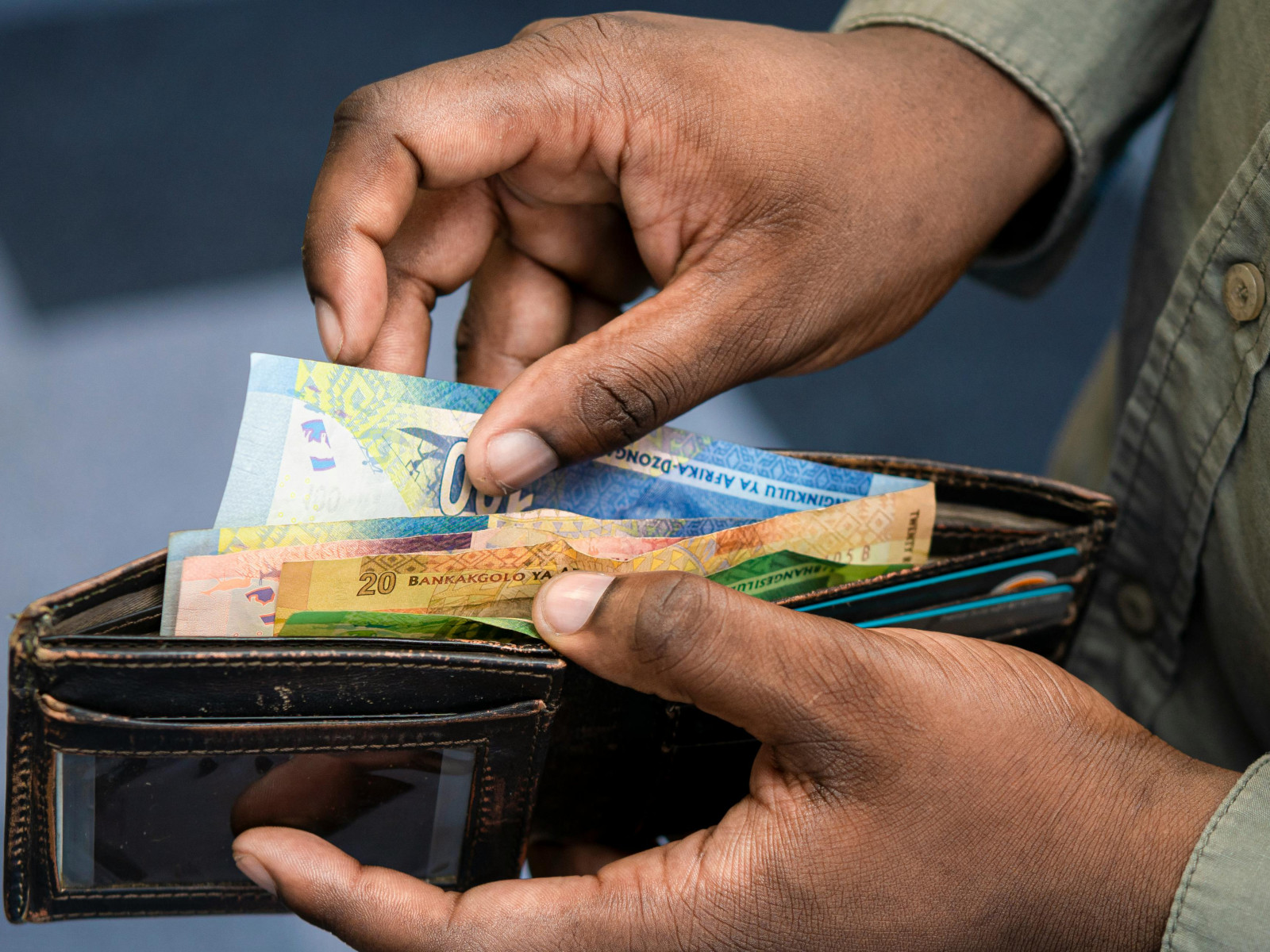
Pictured above: South African money in a wallet.
Image source: File