South Africa’s political parties are preparing to make immigration the biggest issue of the 2026 municipal elections, writes Zukile Majova in Real Politics.
Immigration is set to become one of the most explosive issues in the 2026 municipal elections — especially in urban areas like Gauteng where undocumented migration continues to strain schools, hospitals and housing.
In 2024, anti-immigration rhetoric helped fuel voter anger over poor service delivery, high unemployment and rising crime. That momentum is growing.
Back then, the political fight focused on spaza shops and the informal economy. Several parties blamed undocumented foreigners for pushing locals out of the sector. After reports of children dying from expired snacks sold at spaza shops, parties promised to “take back” the sector and hand it to South Africans.
The national government even raised R500-million to fund local entrepreneurs. But two years later, foreign nationals still dominate the spaza trade — even in remote villages of the Eastern Cape.
Now the battleground has shifted. In 2026, the issue is likely to centre on jobs and the belief that foreigners are employed while locals remain jobless.
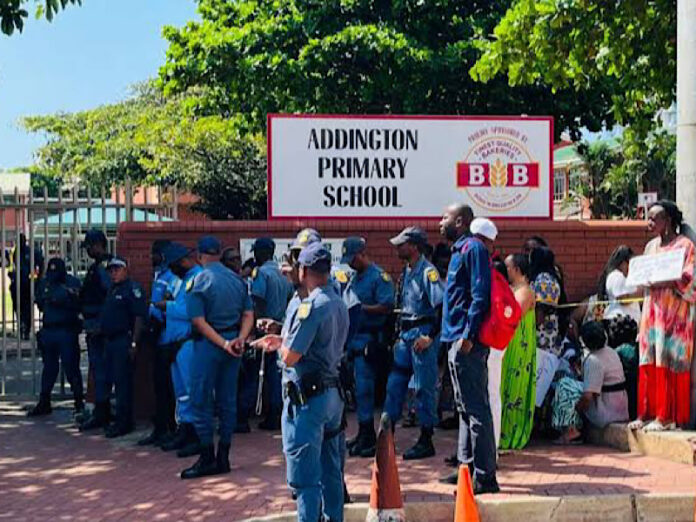
This week alone, tensions flared in parts of KwaZulu-Natal and Gauteng over the number of foreign children in local schools. At Addington Primary School in Durban, parents protested over overcrowded classrooms. Many said their children leave home before 4am to reach schools far from home — because nearby schools are full.
Addington Hospital, also in Durban, has become a hotspot for protests over foreign nationals in public health facilities. Activist groups say foreigners are flooding local clinics and hospitals, worsening backlogs and stretching staff to breaking point.
No party wants to be seen siding with foreigners in this climate. The Economic Freedom Fighters, who openly support open borders, have been punished at the polls and remain stuck at around 10%.
In KwaZulu-Natal, the Inkatha Freedom Party — now in a provincial coalition government with the African National Congress and Democratic Alliance — campaigned on removing foreigners from township businesses. Now Premier Thami Ntuli must walk a tightrope. He cannot openly condemn rising threats of violence without upsetting the angry voters who put him in power.
The ANC’s own support in KwaZulu-Natal has collapsed from 57% to just 17% — partly due to its softer stance on immigration and integration.
Going against the anti-foreigner mood could finish off what remains of the party in the province.
Meanwhile, former president Jacob Zuma’s uMkhonto Wesizwe party is taking a hardline stance. It is leading raids on factories in KwaZulu-Natal, demanding that employers fire foreign workers — especially those who are undocumented.
Into this vacuum stepped King Misuzulu kaZwelithini. In an emotional appeal, he called on Zulu people to stop attacking foreign nationals.
“My people, let’s stop ill-treating or unleashing violence on foreign nationals. Let’s not assault them. If we do not assault them and learn to coexist, they will not give us problems. What is most important is that we must remember that they too are human beings. They are not animals,” he said.
His call for peace came just as tensions were boiling over. The king’s words are expected to calm tempers — just as they did in July 2021, when he called for peace after deadly riots and looting in KwaZulu-Natal.
He also reminded foreign nationals to respect South Africa’s laws, stop committing crimes and stay away from drugs.
His Majesty has been consistent: no to gender-based violence, no to looting, and no to mob justice. Once again, traditional leaders are proving essential in defusing tensions and supporting national unity.
Meanwhile, the new Government of National Unity is split over migration. The ANC has outlined its priorities for 2026 — but left undocumented migration off the list, sparking criticism.
Finance Minister Enoch Godongwana warned that half of all new migrants — legal or not — settle in Gauteng. That adds pressure to schools, health services, water and housing.
The Democratic Alliance is also under fire, accused of pushing for documentation extensions for Zimbabweans and prioritising foreign workers over locals.
The politics of immigration is no longer just a campaign tool. It is reshaping coalitions, influencing provincial leadership, and dividing national policy.
In the countdown to 2026, every party will face one big question: whose side are you on?
Pictured above: Police officers deployed to Addington Primary School in Durban, as various organisations protest, calling on school management to prioritise South African learners over foreign nationals.
Image Source: X