• King Misuzulu kaZwelithini says he considered sending Zulu regiments to disrupt a regional leaders’ summit in Durban after being left off the guest list.
• King Misuzulu says traditional leaders cannot be ignored when politicians discuss minerals, development and other matters involving land under traditional leadership.
King Misuzulu kaZwelithini has revealed that he was so angry about being snubbed at a major regional summit in Durban that he considered sending Zulu regiments to disrupt it.
The King said the South African government continues to host major international gatherings in KwaZulu-Natal without inviting him, even when discussions involve land, minerals and resources linked to traditional communities.
King Misuzulu made the explosive remarks on Saturday while addressing maidens at the first leg of the annual Zulu Reed Dance at eMachobeni Royal Palace in Ngwavuma, near South Africa’s border with eSwatini in northern KwaZulu-Natal.
His anger was directed at the government’s failure to invite him to the 46th Ordinary Summit of Southern African Development Community Heads of State, which was hosted at the Durban International Convention Centre last month.
King Misuzulu said being excluded from such an important gathering in Durban left him deeply frustrated.
“Just imagine they just hosted a SADC Summit here in my City of Durban but I was never invited,” King Misuzulu said.
“I was even tempted to send my regiments from hostels to disrupt it because they were there discussing issues that have to do with the resources that are on our land while I was not invited.”
King Misuzulu said the snub even raised questions among international representatives who had expected to meet him.
“One of the diplomats from Nigeria asked me why I was never part of the SADC summit because all of them were eager to meet the Zulu King?” he said.
“I told him that no one invited me to that summit.”
The King told the maidens that the issue was important to their future because debates about land and natural resources would affect generations to come.
“My children, I am raising this to you because you are the future women of this country and this is your land,” King Misuzulu said.
He said he had also heard about a possible mining gathering where land and mineral resources would be discussed, but once again feared being excluded.
“I am also told that they might be the Mining Indaba but I am not invited while they will be talking about my land. This thing needs to come to an end,” King Misuzulu said.
Land and minerals at heart of anger
The King’s frustration goes beyond receiving an invitation to an international event.
At the heart of his complaint is a bigger argument about who should have a voice when governments and investors discuss land and mineral resources in areas under traditional leadership.
The Southern African Development Community summit discussed regional development, including the role of mineral resources.
Many mineral-rich areas across the region fall within communities under traditional leadership.
Traditional leaders have complained about politicians making agreements with investors involving traditional land without properly consulting the leaders and communities connected to that land.
There have also been complaints about government policies determining how communities should benefit from mineral resources without enough consultation with traditional authorities.
For King Misuzulu, being excluded from gatherings where these issues are discussed raises questions about the place of traditional leadership in decisions involving land and resources.
Historic palace carries powerful meaning
The King made his remarks at a royal palace with its own deep connection to battles over land.
The eMachobeni Royal Palace is in an area that was at the centre of a major territorial dispute during apartheid.
In 1982, the apartheid government wanted territory in the area to become part of the then KaNgwane.
The late traditional Prime Minister to the Zulu Monarch, Prince Mangosuthu Buthelezi, fought the move in court.
The legal battle was successful and the affected territory remained part of South Africa.
Against that history, King Misuzulu’s comments at eMachobeni carried a strong message about land, traditional authority and political power.
Billions allegedly owed to Ingonyama Trust
There is also an ongoing dispute over government use of land administered by the Ingonyama Trust in KwaZulu-Natal.
According to a financial report compiled by the trust’s former chairperson, Judge Jerome Ngwenya, the government owes the Ingonyama Trust more than R3-billion in funds and land revenue.
Government departments and municipalities use land falling under the trust.
The dispute adds another layer to concerns about the relationship between government and traditional authorities over land.
King Misuzulu’s latest comments show that his frustration over the issue is growing.
His revelation that he considered sending regiments to disrupt the regional summit was one of his strongest public expressions of anger over being excluded.
But his wider message was about more than the summit itself.
The King believes traditional leaders should have a seat at the table when decisions are being made about land and natural resources affecting the communities they lead.
For King Misuzulu, hosting powerful politicians and international leaders in KwaZulu-Natal while leaving the Zulu Monarch outside the room is something he says must end.
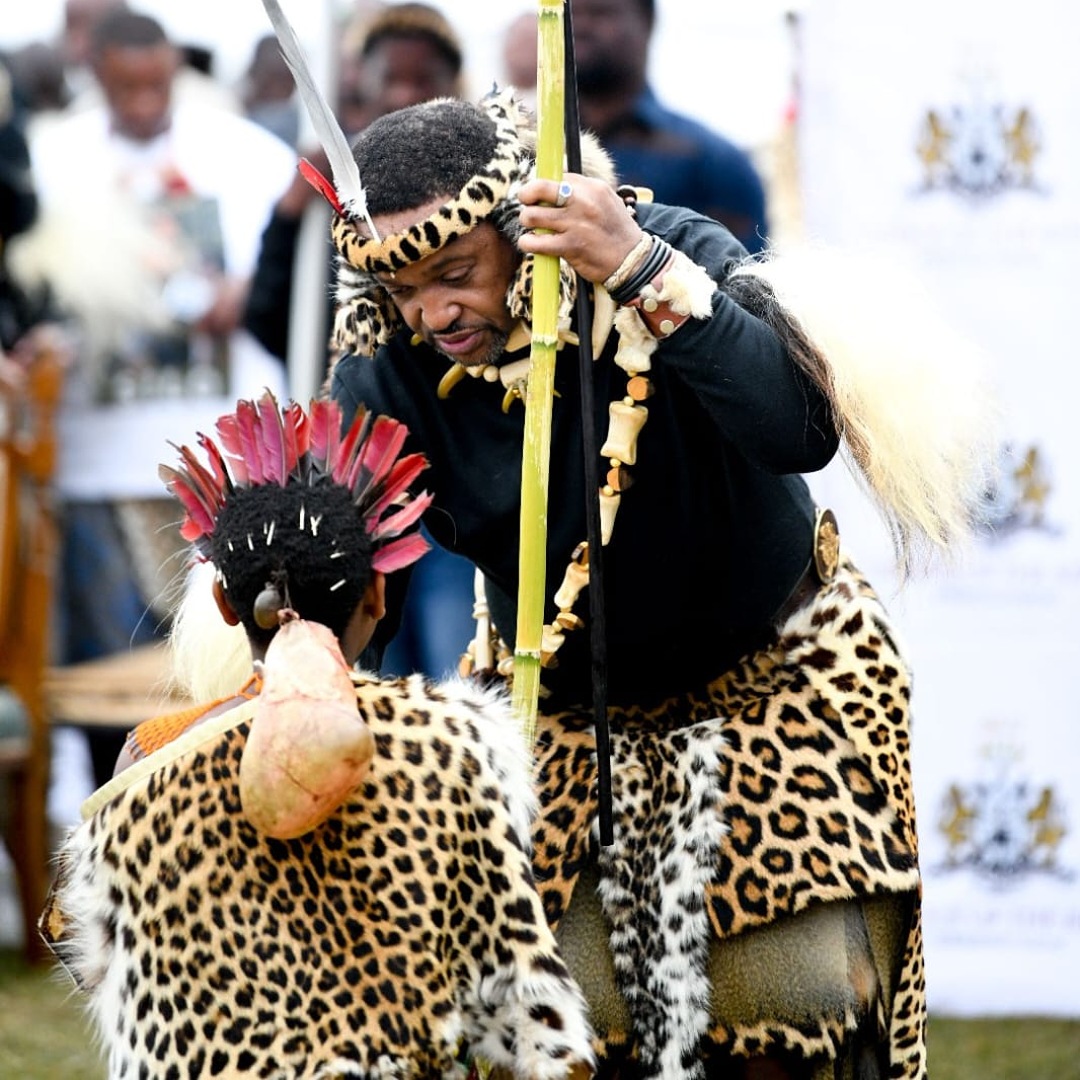
Pictured above: King Misuzulu kaZwelithini accepts the first reed from his daughter, Princess Tensindiso kaMisuzulu, at eMachobeni Royal Palace.
Image source: Sphamandla Mbhele, KwaZulu-Natal Department of Sport, Arts and Culture.