By Selloane Ntshonyane
- A family spends about R2,000 a month on prepaid electricity, but the units often run out before payday.
- To cope, they have cut back on cooking, heating and hot water, and sometimes choose between food and electricity.
A family of six from Lufhereng says they are drowning in debt just to keep electricity in their home.
Deliwe Daka said her family now spends around R2,000 every month on prepaid electricity. On top of that, they pay an extra R200 a month in service fees to City Power.
Despite the high cost, the electricity does not last.
“For every R100 we load, we only get 36 units, and that lasts about two days,” Daka said.
When the electricity runs out before payday, the family is forced to borrow money or dip into savings.
“We have normalised being in debt just to not be left in the dark,” she said.
Daka said electricity used to make life easier, but has now become a burden the family struggles to manage.
To cope, they have made painful changes to how they live.
They no longer use heaters, even on very cold days, and instead rely on hot water bottles to stay warm. They have also stopped using the electric stove for meals that take long to cook.
“We now use a paraffin stove to save electricity,” she said.
To cut usage further, the family has installed timers on their geyser so hot water is only available at certain times.
Even with these changes, the cost is still too high.
“There was a time we had to choose food over electricity,” Daka said. “We sacrificed electricity because there was no money left to buy units.”
She said electricity costs have made it impossible to stick to a monthly budget and have reduced the money left for other needs.
The pressure has also affected the children.
“When electricity becomes expensive, everything suffers,” she said. “We think twice before using anything, even things we need every day.”
For the Daka family, keeping the lights on now comes at a cost they can barely afford.
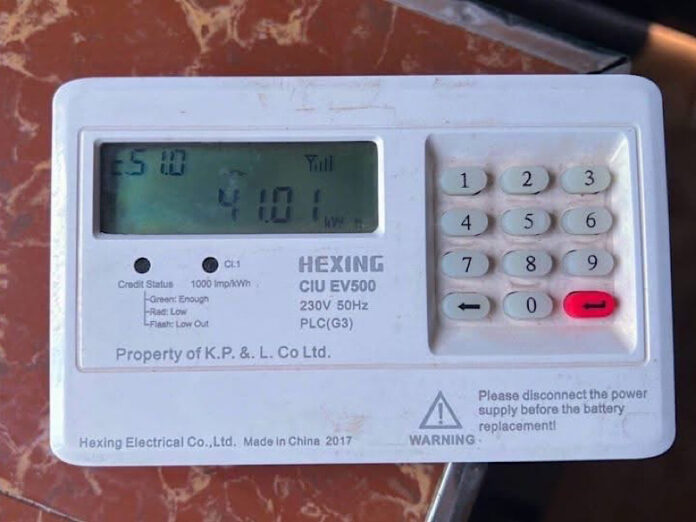
Pictured above: A prepaid electricity meter box.
Image source: Supplied