Listen to this article.
- Zoliswa Nkuhlu from Khayelitsha says she now pays R610 a week in taxi fares for herself and her two kids.
- Lulama Gebane from Philippi East says the R5 hike has her thinking about leaving her flat for a cheaper shack.
Lulama Gebane pays R2,000 a month for a flat in Lower Crossroads, Philippi East. Next week’s taxi fare increase has her thinking about giving it up.
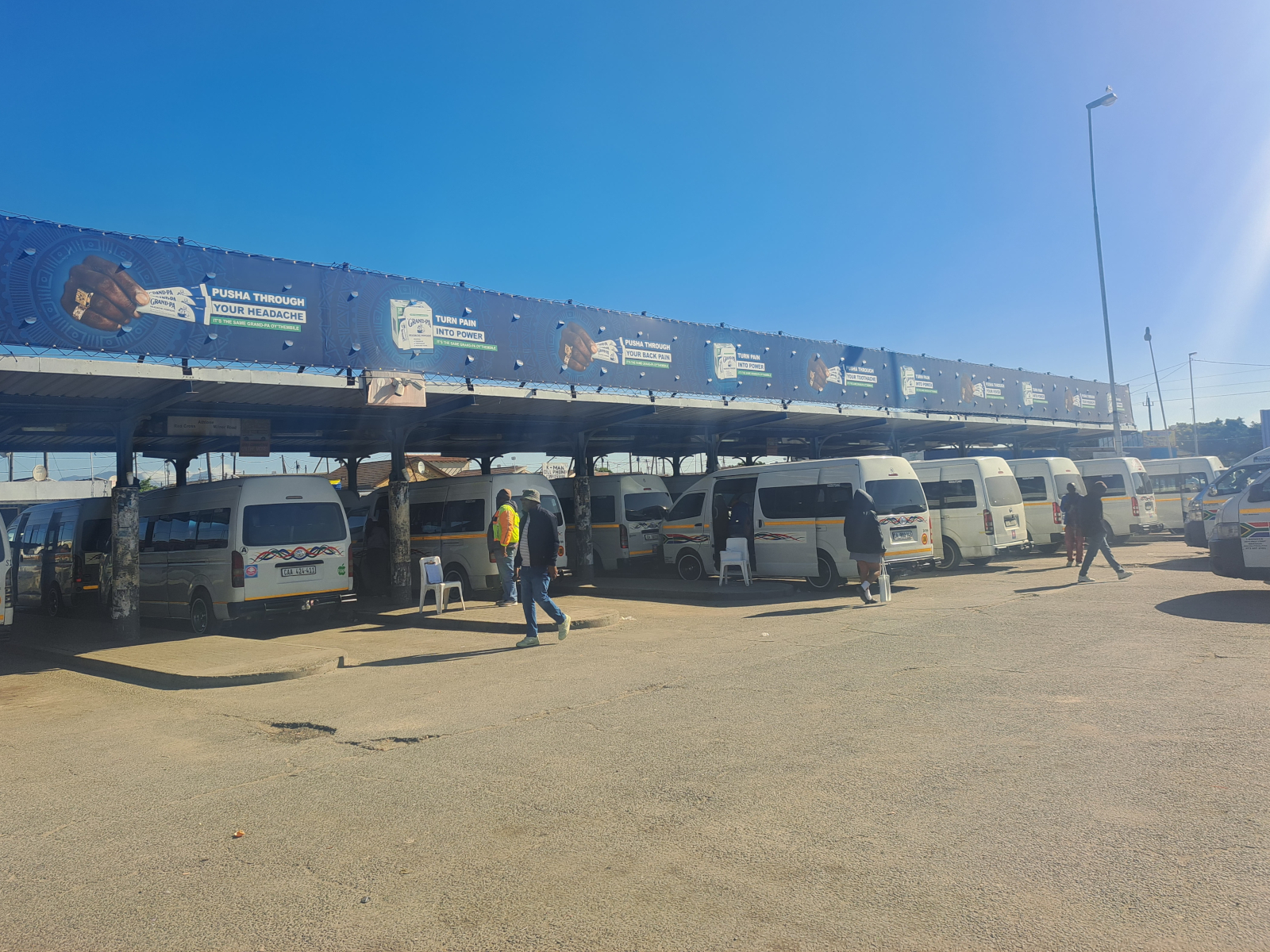
Western Cape taxi associations will raise fares on 18 May, with increases starting from R2 upwards. Gebane says her local fare went up by R5.
She cannot walk to the mall instead. Crime in the area makes it too dangerous, and the taxi associations know it.
“These associations increased the money even in areas where we can walk because they know that we will get robbed if we don’t use their taxis,” she said.
A shack nearby costs R500 a month. That R1,500 gap is what the fare increase has put in play.
“I am paying R2,000 rent in a flat, but after the taxi fare increase I have already started looking for a shack where I will be paying R500 a month,” she said.
In Khayelitsha, Zoliswa Nkuhlu is working out what comes off the grocery list. She pays R270 a week for her own transport and R170 a week for each of her two children. That is R610 a week on taxis before the new fares.
She says pork and eggs are already gone.
“We are going to cut pork and eggs, we will only buy chicken and tins. We will also have to cut on paraffin and invest more in gas,” she said.
Nceba Enge, the Codeta chairman, said operators raised fares because they can no longer cover vehicle repayments. Financial institutions have repossessed some operators’ vehicles.
Nkululeko Sityebi, the Cata chairman, said the continuous rise in petrol prices left them no choice.
Santaco Western Cape does not set a blanket fare for the province. Each association determines its own prices based on its routes, distances and operating costs.
Pictured above: Western Cape taxi associations raised fares on 18 May, with increases starting from R2 upwards.
Image source: Buziwe Nocuze