By Selloane Ntshonyane
- A study of 225 workers in construction and brick-making industries found only one confirmed silicosis case after chest X-ray screenings.
- Workers across South Africa are still exposed to silica dust and the government is pushing to eliminate silicosis by 2030.
Silicosis is a lung disease caused by breathing in crystalline silica dust. It is irreversible and can cause serious breathing problems.
The Department of Employment and Labour held a seminar in Kempton Park on Tuesday, 10 March, where researchers presented findings from a benchmark study on silicosis in non-mining industries.
Acting Deputy Director General for Labour Policy and Industrial Relations Thembinkosi Mkalipi said South Africa has an obligation to reduce workers’ exposure to the disease under its commitments to the International Labour Organisation.
The department asked the Council for Scientific and Industrial Research (CSIR), the National Institute for Occupational Health (NIOH) and the University of the Witwatersrand to conduct the research.
The study looked at silicosis cases across industries between 2012 and 2018, examined death trends linked to silica-related diseases and aimed to develop strategies to eliminate the disease by 2030.
Professor Nisha Naicker from the NIOH said 225 workers took part in the study. Most had more than 10 years of experience, mainly in brick-making and construction. They were between the ages of 24 and 65, and most were men.
The study found only one confirmed silicosis case after chest X-ray screenings. The worker affected was a 45-year-old crusher operator from the mineral processing sector who is currently receiving medical care.
Warren Mallon, a deputy director in the department’s Inspection and Enforcement Services branch, said protecting workers’ health and safety is a basic right.
He said the department’s programme to eliminate silicosis began in 2004 and that South Africa is still aiming to eliminate the disease by 2030.
Researchers warned that workers in several industries are still exposed to silica dust, meaning the risk of future cases remains.
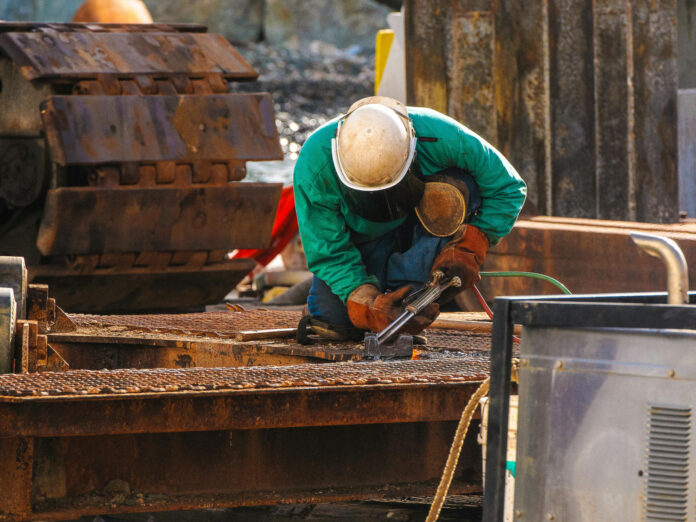
Pictured above: A construction worker.
Image source: Pexels