
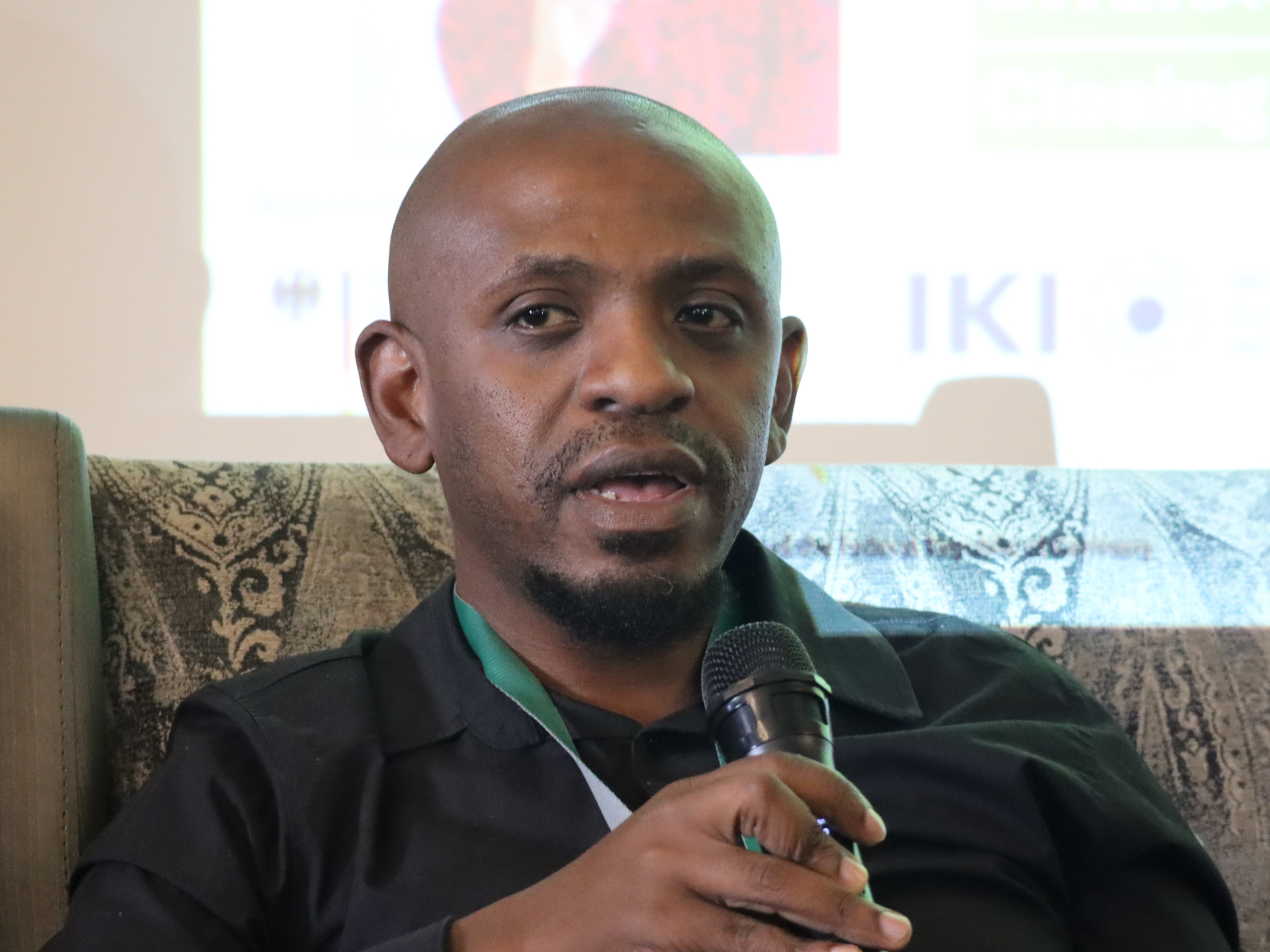
By Thabo Molelekwa for Oxpeckers
South Africa has secured almost $14-billion in international climate finance commitments since launching its Just Energy Transition Partnership (JETP) with wealthy donor countries to fund the shift away from fossil fuels in 2021.
But funding data reviewed by Oxpeckers shows that, while some international partners have allocated most of their commitments, others have barely begun moving money into transition projects.
Germany has allocated its entire US$2.68-billion commitment. The World Bank has allocated its full US$1-billion package. Spain, meanwhile, has allocated just US$3-million of a US$2.28-billion commitment, while the Accelerating Coal Transition Investment Plan – a global financing mechanism by the Climate Investment Funds – has allocated US$50-million of its US$2.6-billion pledge.
Overall, approximately US$5.8-billion of the nearly US$14-billion committed – or (41%) – has been allocated to transition projects and programmes.
Neil Cole: ‘We don’t have a shortage of capital. What we have is a shortage of project pipeline and support for the preparation of those projects.” Photo courtesy PCC
The figures were presented during a Presidential Climate Commission (PCC) policy dialogue held in May 2026, where government officials, financiers, municipalities, researchers and civil society organisations gathered to assess progress in South Africa’s energy transition.
According to Neil Cole, the financing manager at the JET Project Management Unit, the issue is not just a financing gap.
“We don’t have a shortage of capital in South Africa,” Cole told Oxpeckers. “What we have is a shortage of project pipeline and support for the preparation of those projects.”
His assessment reflects a notable shift from concerns that dominated earlier stages of South Africa’s transition.
Following the money for the JETP since early 2023 (see Pledges roll in for SA’s energy transition), the Oxpeckers #PowerTracker project has identified weak municipal finances, project-readiness challenges and institutional bottlenecks as barriers preventing climate finance from reaching projects.
More than three years later, policymakers and financiers agree that increasing attention needs to be given to project preparation and implementation.
Pictured above: Oxpeckers associate editor Thabo Molelekwa spoke about the role of media at the Presidential Climate Commission (PCC) policy dialogue in May 2026.
Image source: PCC