
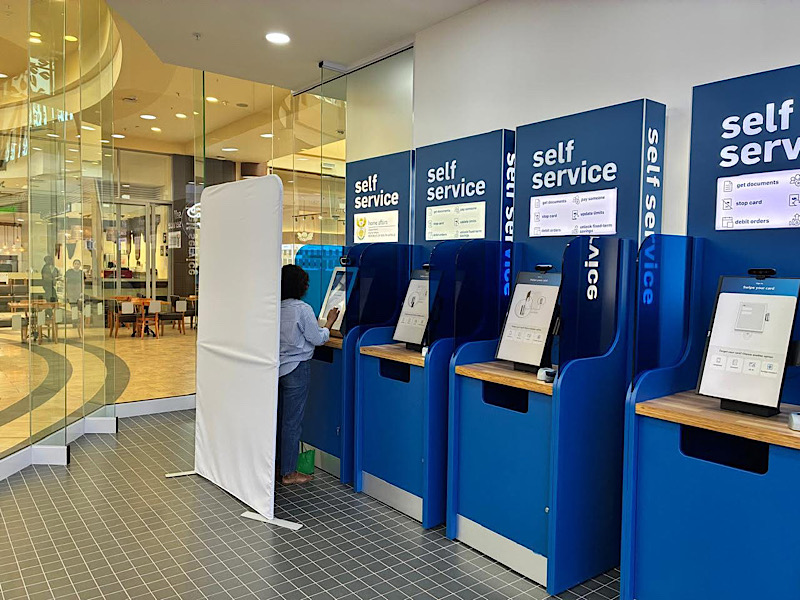
- Capitec, Standard Bank and First National Bank now offer Smart ID services at 203 branches, with applications taking as little as five minutes.
- The government wants all South Africans to replace their green ID books because they are easier to steal, copy and use for fraud.
South Africans can now avoid long queues at many Home Affairs offices after the government expanded Smart ID services to more than 200 bank branches across the country.
Capitec, Standard Bank and First National Bank now offer Smart ID applications at 203 branches, making it quicker and easier for people to replace their old green ID books.
Capitec has the biggest network with 109 branches offering the service. Standard Bank has 74 branches, while First National Bank has 20.
The expansion follows a new partnership between the Department of Home Affairs and South Africa’s banks.
Unlike the old system, where banks relied on Home Affairs systems, the new digital process allows banks to process Smart ID applications using their own technology.
Home Affairs says this has dramatically improved access to Smart ID services.
Before the new system started, only 248 Home Affairs offices and just 32 bank branches offered Smart ID replacement services.
With another 203 bank branches now providing the service, access has increased by 73% in just over three months.
More than 250,000 South Africans have already used the new system since it was launched in March.
Many people are choosing banks because they can avoid spending hours standing in long Home Affairs queues.
Applying at a participating bank branch can take as little as five to 10 minutes.
The process is fully digital and uses biometric technology such as fingerprints and facial verification.
There is no paperwork to complete and no appointment is needed at participating branches.
Home Affairs says about 16 million South Africans still use the old green ID book.
The department wants these documents replaced because they are easier to copy, steal and use for identity fraud.
Smart ID cards are far more secure because they use modern biometric technology that makes them much harder for criminals to fake.
Replacing green ID books is also expected to strengthen South Africa’s population register and improve national security.
The cost of applying remains the same whether people visit Home Affairs or a participating bank.
A first Smart ID for South Africans aged 16 and older is free.
Replacing a lost, stolen or damaged Smart ID costs R140.
Most participating banks do not charge any extra fees.
Capitec charges a R10 logistics fee, bringing the total replacement cost to R150.
Home Affairs Minister Leon Schreiber says the rollout is only getting started.
The government plans to increase the number of participating bank branches to 750 by the end of 2026.
The department also plans to introduce first time Smart ID applications, passport applications and home delivery services through the banking network.
Other banks, including Absa, Nedbank, Discovery Bank, TymeBank and African Bank, have also signed up and are expected to launch the service in future.
Schreiber urged South Africans who still have green ID books to switch to Smart IDs as soon as possible to help fight identity theft, financial fraud and illegal immigration.
Pictured above: More than 200 bank branches now offer Smart ID services to help South Africans avoid long Home Affairs queues.
Image source: Democratic Alliance