
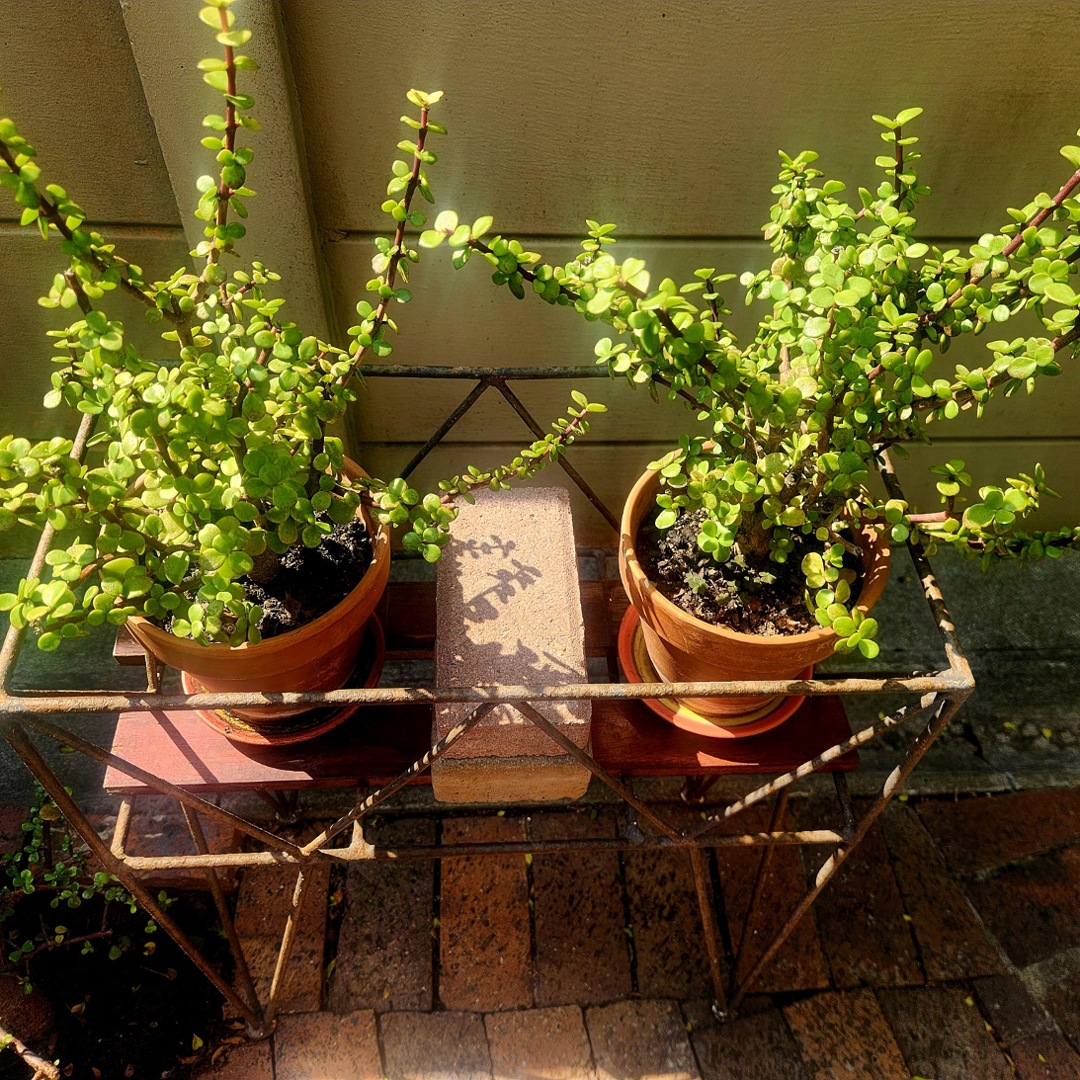
• Soweto resident Lethabo Mosela says her family grew up eating spekboom and her 94-year-old grandmother still uses the indigenous plant.
• University of the Free State researchers say spekboom is nutritious, survives drought and could create new opportunities for small-scale farmers.
For Lethabo Mosela, spekboom is nothing new. Her family has been eating it for years.
The 27-year-old was among Moletsane community members who attended a South African National Parks event in Soweto, where residents received peach trees and spekboom plants.
Mosela told Scrolla.Africa that she grew up knowing spekboom as a plant people ate for its health benefits.
She said her grandmother returned to eating the plant after being diagnosed with high blood pressure and type 2 diabetes at the age of 79.
“My grandmother was never sick after she was introduced to the plant,” said Mosela.
“She remembered that this is what they used to eat a lot and therefore began looking for the plant.”
Mosela said her grandmother is turning 94 and that her doctor at the local clinic later took her off medication.
Now researchers at the University of the Free State want more South Africans to consider spekboom as food.
Researchers Alba du Toit and Maryna Boshoff believe the indigenous plant could become an everyday vegetable.
Spekboom can survive drought and grow in poor soil without irrigation or fertiliser.
It also helps protect soil from erosion and removes carbon dioxide from the air as it grows.
Research by Du Toit and Boshoff found that spekboom is high in vitamin C and contains fibre.
It also contains minerals including calcium, phosphorus, magnesium and selenium.
Researchers found that it remains high in vitamin C even after cooking.
Boshoff said spekboom has similar nutritional value to dark green vegetables such as spinach, although it contains less iron.
The leaves have a sour taste.
Du Toit said people can add spekboom to salads, sandwiches, wraps and smoothies.
It can also be used in chakalaka, atchar, chutney, curries, soups and stews.
And many people appear willing to give it a try.
A survey of 120 University of the Free State students and staff found that almost 80% would consider adding spekboom to their diets.
Another 75% said they would buy it if supermarkets sold it.
Researchers believe growing demand could also create opportunities for small-scale farmers, informal traders and community food producers.
Farmers could sell fresh spekboom while businesses could turn it into products such as spices and drinks.
Mariam Mayet, executive director of the African Centre for Biodiversity, warned that growing commercial interest could change who benefits from the plant.
“Commercial success can also change who controls a resource and who captures the value it generates,” she said.
Mayet said communities and small farmers should benefit as interest in spekboom grows.
For families like Mosela’s, however, spekboom is not a new food waiting to be discovered.
It is already part of their story.
Now researchers want it to become part of South Africa’s dinner table too.
Pictured above:Spekboom plant at a South African National Parks event in Soweto.
Image source: File.