
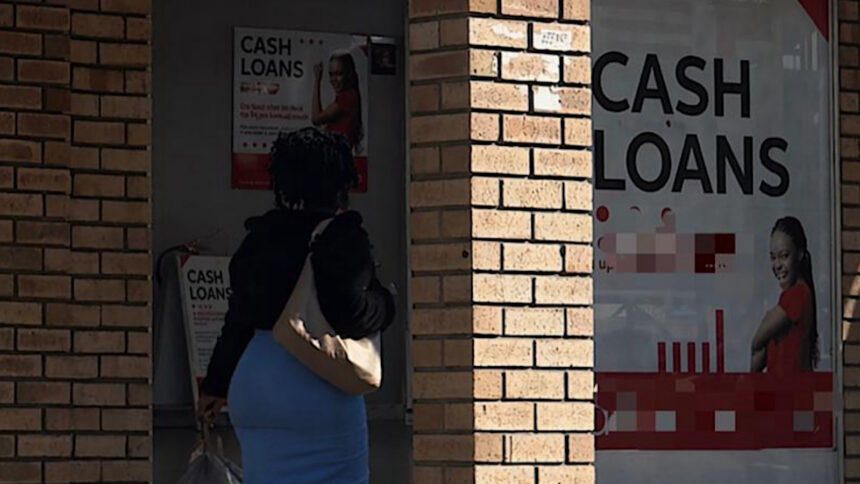
- A record 64% of new applicants had a one-month loan, up from 57% a year earlier.
- Applicants needed an average of 65% of their take-home pay to cover debt repayments, leaving just over a third for everything else.
Payday is bringing another repayment deadline for growing numbers of struggling borrowers, with new figures showing record reliance on short-term loans among people seeking debt help.
DebtBusters’ latest Debt Index found that 64% of new debt-counselling applicants had a one-month payday loan in the third quarter of 2026. A year earlier, the figure was 57%.
The report revealed that 96% of all new applicants also had a personal loan.
The report, released on 10 November, covers people applying to DebtBusters for debt counselling. Its findings describe financially distressed borrowers, rather than all South African households.
Applicants were juggling an average of 8.8 credit agreements each, the highest recorded since the index began.
“At 8.8, the average number of credit agreements per applicant is at the highest since the Debt Index began,” said DebtBusters executive head Benay Sager.
The pressure is also changing where people borrow.
Retailers, microlenders and other non-bank lenders accounted for 15% of applicants’ debt, up from 8% two years earlier. Banks still held the largest share, at 65%.
DebtBusters says borrowers are increasingly turning to alternative lenders when they cannot get more credit from banks or urgently need cash.
Across all applicants, scheduled debt repayments required an average of 65% of take-home pay.
For someone bringing home R10,000 a month, that proportion would mean R6,500 committed to debt, leaving R3,500 for other expenses. This is an illustration of the overall average, rather than a finding for that income group.
The squeeze reaches higher earners too. Applicants taking home more than R50,000 a month needed 97% of their income to meet debt repayments. Their outstanding debt amounted to three times their annual take-home pay.
Smaller debt balances among poorer applicants did not necessarily mean they were recovering. DebtBusters said lower-income groups’ total debt had fallen by up to 21% compared with 2021, reflecting reduced access to credit rather than improved financial health.
Younger borrowers are also featuring more prominently. Under-25s made up 9% of new applicants, compared with 6% a year earlier.
Borrowing remains costly: the average contractual interest rate on applicants’ unsecured debt was 19.85% a year. That category includes borrowing such as personal loans and credit cards.
For households already struggling to reach month-end, another loan adds another claim on the next salary.