
• A 64-year-old pensioner says his monthly grant runs out before he can pay for groceries, electricity, medicine and support his children.
• Rising food prices and the high cost of living are forcing many older South Africans to keep working long after reaching retirement age.
When Lucas Taba turned 60, he thought his working days were finally over.
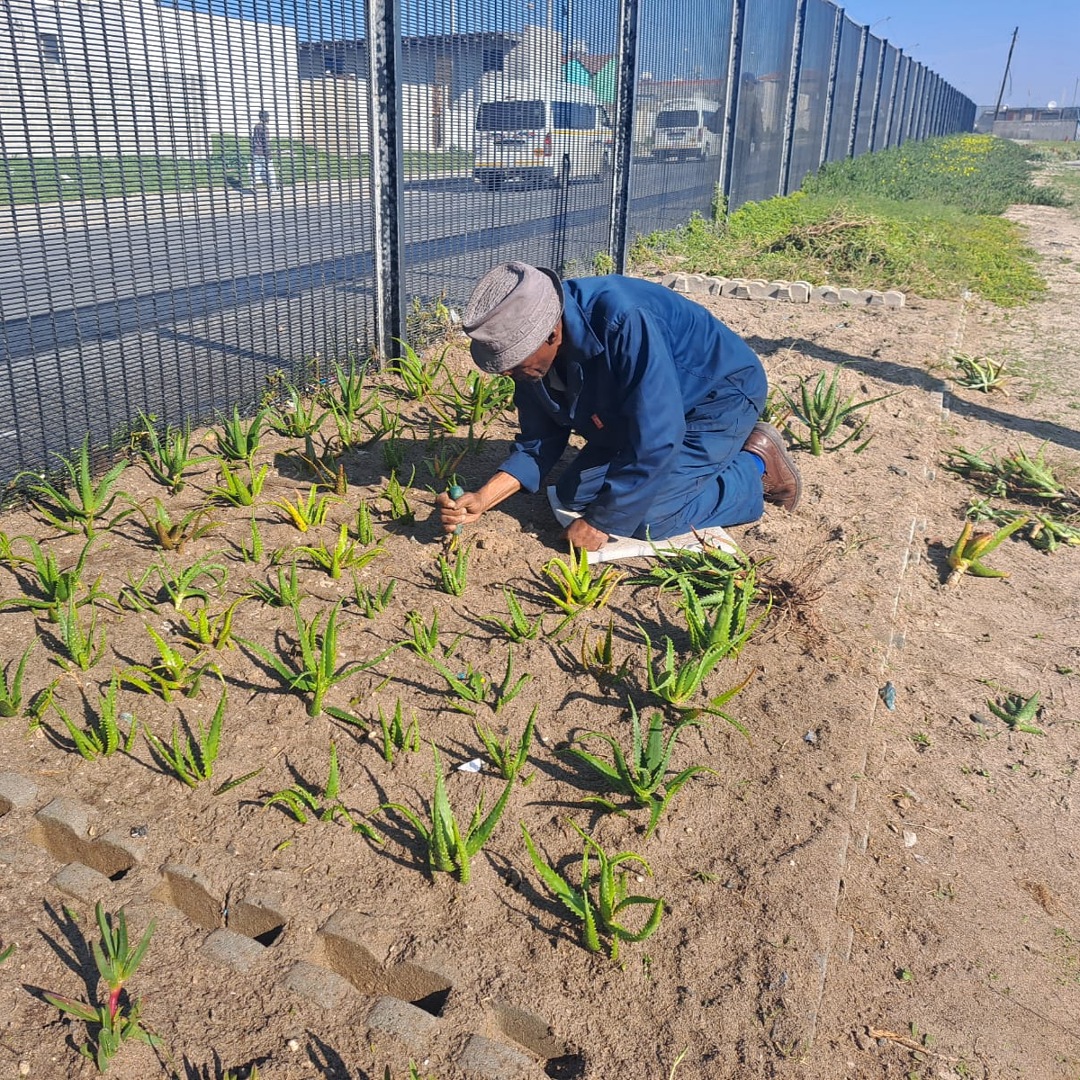
Instead, four years later, the 64-year-old pensioner is still spending eight hours a day looking after gardens at the Kuyasa train and bus station in Khayelitsha.
He says his pension grant simply does not stretch far enough.
“I always told myself that when I started receiving my pension, I would stop working,” said Taba.
“But everything keeps getting more expensive. I have no choice but to carry on working.”
Every day from 8am until 4pm, Taba waters plants, trims shrubs and keeps the station gardens clean.
He says working with plants gives him peace of mind, but the real reason he continues working is to survive.
Taba receives the Older Persons Grant, which thousands of elderly South Africans rely on every month.
But he says the money disappears quickly.
He sends R2,000 every month to help support his children who live with their mother in the Eastern Cape.
The rest goes towards groceries, electricity, transport and medication.
“As older people, we get sick more often,” he said.
“I always keep money aside for medicine because you never know when you will need it. Even medicine is becoming more expensive.”
He says people often think pensioners who continue working are greedy.
“They don’t understand our situation,” he said.
“We are grateful to government for the pension grant, but the reality is that it is not enough to survive.”
“If you only depend on the pension grant, you can easily end up borrowing money from loan sharks before the end of the month.”
South Africa has more than four million people receiving the Older Persons Grant, making it one of the country’s biggest social grants.
Many older people also support unemployed children and grandchildren, putting even more pressure on their monthly income.
Food prices, electricity costs and transport expenses have all increased sharply over the past few years, making life harder for pensioners living on fixed incomes.
Taba believes employers also have a role to play.
“If salaries were increased, families would be under less pressure and older people would not have to keep helping everyone with so little money,” he said.
Ward 95 councillor Ayanda Tetani said there are no permanent food parcel programmes for elderly residents in the area.
Instead, the ward works with local businesses and organisations whenever help is needed.
“We approach service providers in our community to assist because we know many older people are struggling,” said Tetani.
For Taba, retirement remains a dream that has been put on hold.
Until life becomes more affordable, he says he will continue tending the gardens that help him put food on the table.
Pictured above: Lucas Taba, 64, continues working as a gardener because his pension grant is not enough to cover his monthly expenses.
Image source: Buziwe Nocuze