
Listen to this article.
- Zweli Butho earns below R5,000 a month and started lending colleagues transport money after seeing them struggle before payday.
- A Wonga survey found 32% of respondents used informal lenders in the past year, more than double the 2025 figure.
Zweli Butho* works in a retail store, catches the train to work, and earns less than R5,000 a month. To survive, the 30 year old from Molestane has become what is known in townships as a Mashonisa, an informal money lender.
It started small. Butho began lending colleagues transport fare before payday, charging 30% interest. This kind of informal lending falls outside South Africa’s National Credit Act, meaning neither borrowers nor lenders have any legal protection if something goes wrong.
“I now make about R5,300 from interest alone. Then around January I made about R10,000 in interest because of the careless December spending,” Butho said.
He is using the extra money to study through the University of South Africa, paying his own way. His bigger goal is to leave township life behind.
“I am really tired of township life. Poverty and the lack of employment and opportunities have broken the youth,” he said.
“We are battling with substance abuse and risky sexual behaviour because we have nothing to do except deteriorate in the township.”
Butho hopes to one day buy a house in the suburbs and start afresh.
His side income reflects a wider pattern.
Wonga’s annual credit utilisation survey found 41% of respondents use credit every month just to pay for groceries, transport and electricity. Another 32% borrowed from a Mashonisa in the past 12 months, more than double the 15% recorded in Wonga’s 2025 survey.
“We wanted to find out how South Africans are spending their money and utilising credit, and the findings are grim. Most South Africans are unable to have their basic needs met without relying on credit,” said Wonga spokesperson Tina Manyanya.
The survey questioned 4,872 people. It found borrowing from Mashonisas was most common among lower income earners who struggled to access formal credit. Of those who borrowed from a Mashonisa, 85% said it was because their credit score was too low. The survey also found 81% of respondents had no immediate savings equal to one month’s salary, and 51% turned to credit when unexpected expenses hit.
National Debt Counselling Association chairperson René Moonsamy said incomes have failed to keep up with rising costs, leaving households to borrow just to cover the gap.
“Credit should not become part of your monthly income,” she said.
“If you’re repeatedly borrowing to make it through the month, your financial commitments are not affordable.”
For Butho, the same money squeeze driving others to borrow has become his way of earning extra cash. But he does not want to depend on it forever, he is betting on his education to build a life beyond the township.
*Not his real name.
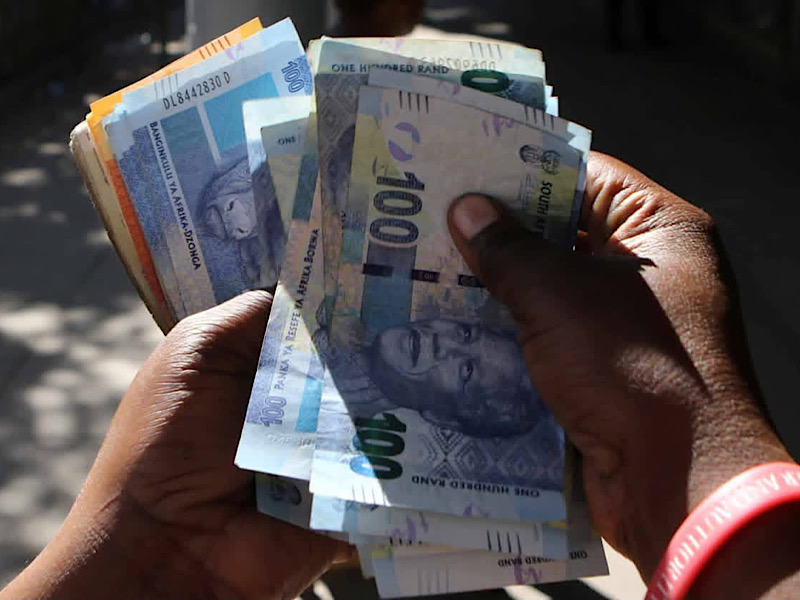
Pictured above: Retail worker Zweli Butho became a Mashonisa to stretch his salary.
Image source: Supplied