By Dylan Bettencourt
- Over 500 schools had their power cut for unpaid bills totalling nearly R60-million, with many left without water and sewage too.
- The worst-hit school, Fleurhof Primary, owed R3.8-million, while others were in the dark for up to 30 days.
Nearly 300 schools in Gauteng had no electricity for a full month in 2025 after failing to pay their bills.
A total of 536 schools across the province had their power cut because of unpaid municipal bills worth almost R60-million, according to a written reply by Education MEC Matome Chiloane.
Of those, 293 schools were without electricity for 30 days or longer, and 250 others were cut off for between seven and 18 days.
The affected schools are mostly no-fee schools, which means parents don’t pay school fees. Many are questioning why these schools are expected to manage their own money and services in the first place.
Sixteen schools had their water, sewage, and rubbish removal services cut off at the same time as their electricity, making it almost impossible to carry on teaching, the Citizen reported.
“This made it impossible to provide lighting, use technology, or maintain hygiene,” said Sergio dos Santos, the Democratic Alliance’s shadow MEC for education.
The worst-hit school was Fleurhof Primary, which owed R3.8-million. Fusion Secondary in Lotus Gardens owed R1.9-million, and Soshanguve South Primary owed R1.6-million.
These schools have Section 21 status, which means they get funding directly from the government into their bank accounts and are responsible for paying for services themselves.
According to the Gauteng Department of Education, 2,034 schools in the province have this responsibility.
The department says it checks if school governing bodies can manage the funds and offers financial training when new members are elected.
But it admitted it doesn’t pay the bills itself and hasn’t yet been able to settle the outstanding debt, despite ongoing talks with Eskom and municipalities.
Chiloane said the schools were expected to pay the money they owe by 30 June, but it’s not clear if that actually happened.
Dos Santos said the problem is hitting under-resourced schools the hardest and harming the quality of education.
The department has not responded.
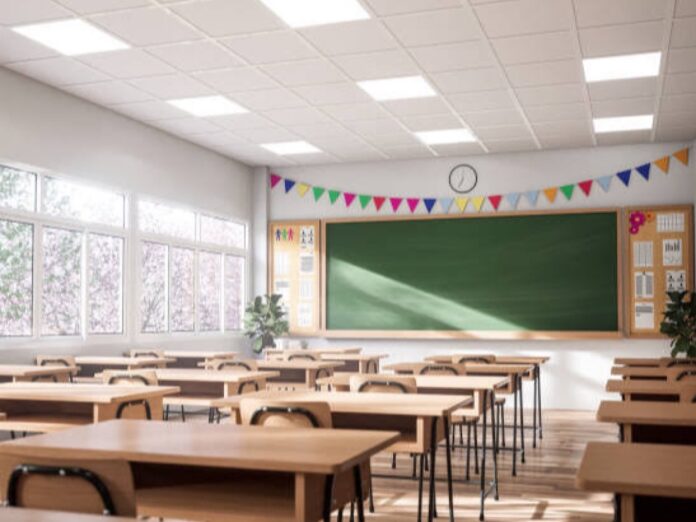
Pictured above: A classroom.
Image source: File