
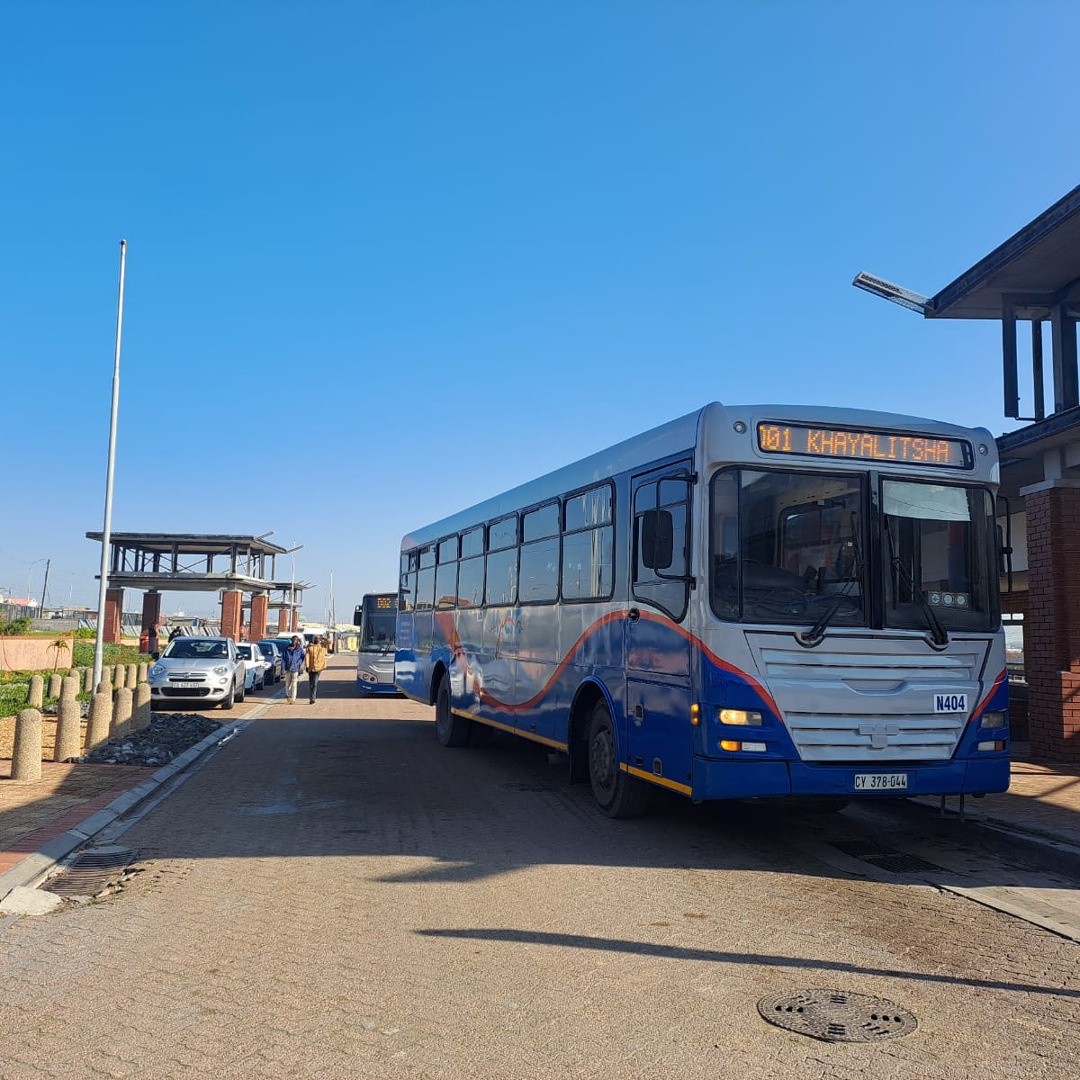
• MyCiTi passengers say the 1 July fare increase will hit poor and working-class commuters who already struggle with transport costs.
• Khayelitsha commuters using the N2 Express monthly pass will pay R1,500 from July, up from R1,000.
Cape Town MyCiTi bus passengers say they are stressed and angry after the City of Cape Town announced a major fare increase from 1 July 2026.
The City says the increase is needed because fuel, maintenance and operating costs have gone up.
But commuters say they are already struggling and cannot afford to pay more.
Lulama Zithuthe, 40, travels from Cape Town to Sea Point every month and currently pays R250 for her monthly ticket.
She said the trip is too short to justify more increases.
“I was already complaining about the R250 I pay because it is a short distance. If they increase the price, I might as well take a taxi because the prices will be the same,” said Zithuthe.
Khayelitsha commuters who use the N2 Express monthly pass will be hit even harder.
Their monthly pass will rise from R1,000 to R1,500.
Nwabisa Mayinga, 35, said the R500 increase is too much for ordinary workers.
“Yes, we understand petrol keeps going up, but increasing the fare by R500 is not on,” said Mayinga.
“Where are we going to get the money when we were already struggling to get that R1,000?”
She said many people are now working just to pay for transport.
“It is clear that we are working for transport. Soon buses will be like taxis,” she said.
Taxi driver Luzuko Jikijwa said some commuters left taxis for buses when taxi fares increased.
He believes some may now return to taxis.
“Now that they are complaining about bus fares, maybe they will do the calculations. If the difference is not big, they might come back to us,” said Jikijwa.
The City’s Mayoral Committee Member for Urban Mobility, Councillor Rob Quintas, said no transport service has escaped rising fuel and operating costs.
He said the war and instability in the Middle East have pushed up fuel prices and affected public transport costs.
“Our operational costs, matched with fuel price increases, have informed our current fare adjustments,” said Quintas.
He said the City will keep watching fuel prices and will adjust fares if possible.
Quintas said MyCiTi remains a subsidised public transport service and the City does not make a profit from it.
“MyCiTi remains one of the most affordable public transport services,” he said.
The fare increases include:
• 38% to 45% increase for trips between 0km and 20km.
• 32% to 37% increase for longer trips.
• 50% increase for the monthly pass, from R1,000 to R1,500.
For commuters, the increase means more pressure on already stretched pockets.
Many say food, electricity, school fees and rent are also going up, leaving them with very little at the end of the month.
Pictured above: MyCiTi bus passengers in Cape Town say the new fare increase is too high.
Image source: Buziwe Nocuze