
Listen to this article.
- South Africa now charges a 20% tax on imported peanut butter, mostly from India, to help protect local peanut butter makers.
- Groundnut industry leader Adri Botha says locally made peanut butter should not become more expensive because of the new import duty.
South Africa has slapped a 20% duty on imported peanut butter, but shoppers are being told not to expect an automatic jump in the price of locally made brands.
The move is aimed at protecting South African producers from cheaper foreign products that have been taking a growing bite out of the local market.
The International Trade Administration Commission increased the duty on imported peanut butter, with India currently the biggest source of peanut butter imports into South Africa.
Adri Botha, chair of the South African Groundnut Forum, said the change is meant to level the playing field for local manufacturers.
The problem, he said, goes back decades.
Since the early 1990s, local manufacturers have sometimes had to pay a duty when importing raw peanuts during shortages.
But finished peanut butter could enter South Africa with little or no duty under some trade arrangements.
For years, that did not cause a major headache because South Africa imported relatively small amounts of peanut butter.
Then imports started climbing.
“Imports increased by 81%,” Botha said, although he stressed that they had risen from a relatively low starting point.
India’s huge production industry also gives its manufacturers an advantage that South African producers struggle to match.
“India obviously still has a scale that our country just simply doesn’t have,” Botha said.
When South Africa has a poor groundnut crop, local manufacturers can face shortages and higher costs.
That has created an opening for businesses to import ready-made peanut butter instead of producing it locally.
Will shoppers pay more?
For families already watching every rand at the supermarket, the biggest question is whether the new duty will push up peanut butter prices.
Botha said locally produced peanut butter should not become more expensive simply because the import duty has changed.
“The tariff in itself should not increase locally produced peanut butter,” he said. “There’s no reason for it.”
Imported brands could see a small price change because of the new duty.
But Botha believes the tariff should make competition between imported and locally produced peanut butter fairer.
He said building a stronger South African groundnut industry could also help protect shoppers from sudden changes in international prices and the value of the rand.
The key is producing more groundnuts locally and doing so consistently.
Farmers also need reliable demand and prices that make it worthwhile to continue planting the crop.
How local is your peanut butter?
South Africa uses about 30,000 metric tonnes of groundnuts every year, according to Botha.
About half of locally produced groundnuts go into making peanut butter.
That means a large part of the peanut butter eaten in South Africa is produced locally, although imported products have become more important as their volumes have grown.
Botha said the longer-term answer is to build a sustainable local industry instead of becoming increasingly dependent on overseas suppliers.
Crunchy or smooth?
Botha also tackled two questions shoppers may have wondered about while standing in the peanut butter aisle.
Why isn’t crunchy peanut butter cheaper than smooth?
Botha said the basic input costs are largely the same, although there may be small differences during manufacturing.
And what happened to the layer of oil that used to sit on top of some peanut butter?
Production methods have changed partly because many shoppers did not like the oil separating from the peanut butter.
Behind that simple jar on the supermarket shelf is now a much bigger battle involving South African farmers, local factories and powerful overseas competitors.
For shoppers, the important point is that the new import duty is designed to protect local production, not automatically make locally produced peanut butter more expensive.
Whether imported brands become noticeably more expensive remains something consumers will have to watch.
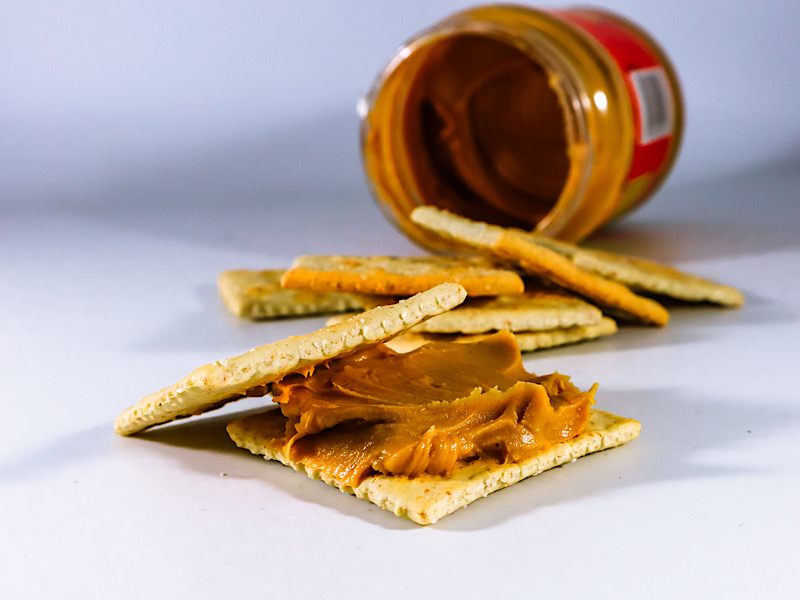
Pictured above: South Africa has introduced a 20% duty on imported peanut butter as the country moves to protect local producers from cheaper imports.
Image source: File