- About 138 municipalities have no political party with enough seats to govern alone, forcing parties to negotiate agreements to share power.
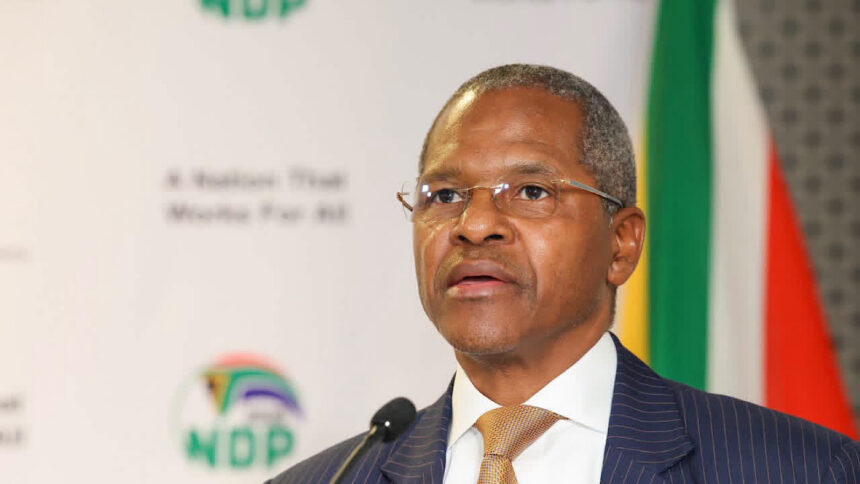
- Minister Velenkosini Hlabisa says political fights must not delay new councils or disrupt water, electricity, rubbish collection and other basic services.
Political parties have just 14 days to form new municipal councils after elections left 138 municipalities without a clear winner.
This means parties that fought against each other during elections may now have to work together to run towns and cities.
The Department of Cooperative Governance and Traditional Affairs has introduced new rules to help parties reach agreements and prevent political fights from affecting residents.
The 138 municipalities make up about 65% of the country’s councils.
In these municipalities, no single party won enough seats to govern on its own.
Parties will have to form coalitions, support minority governments or find other ways to work together.
A coalition happens when two or more political parties agree to work together to run a municipality.
But why does this matter to ordinary South Africans?
Municipalities are responsible for services people use every day, including water, electricity, rubbish collection and fixing roads.
When political parties fight over who should be mayor or who gets important positions, it can make it harder for councils to do their work.
Residents still need their taps to run, rubbish to be collected and broken streetlights to be fixed, no matter which party is in charge.
Cooperative Governance and Traditional Affairs Minister Velenkosini Hlabisa says political negotiations must not delay the formation of councils or interrupt basic services.
He wants parties to put residents first and reach agreements that will keep municipalities running.
Department spokesperson Pearl Maseko-Binqose said the new guidelines will help parties manage disagreements and protect service delivery.
“The guidelines provide practical guidance to political parties and municipalities on managing coalition arrangements, resolving disputes, and ensuring political stability whilst protecting municipal administration and service delivery,” she said.
The guidelines were discussed at a government meeting on 9 November 2026 and presented for approval on Wednesday.
They aim to help parties settle disputes and form councils that can continue working even when political disagreements arise.
Hlabisa said parties must focus on stability and fighting corruption.
“I am very confident that the coalition discussions and political parties who can work together, and who can constitute 50% plus one, will find each other,” he said.
He also called on provincial governments to help municipalities follow the new guidelines and step in when political fights threaten their work.
For ordinary South Africans, the next 14 days will be important.
The parties may be negotiating who gets power, but residents will be watching whether the new councils can deliver the services they need.