
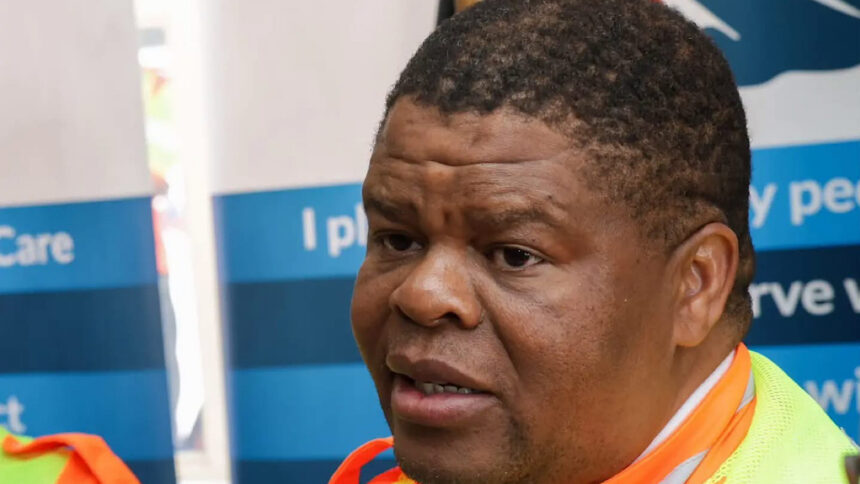
- Deputy Minister David Mahlobo says Tshwane ignored some water safety warnings before more than 800 people reportedly became sick with gastroenteritis.
- Johannesburg residents could wait three months for water supply improvements, but Mayor Dada Morero insists the city is not facing a crisis.
More than 800 people have reportedly fallen sick after drinking contaminated water in Tshwane, while residents in neighbouring Johannesburg are battling dry taps and water shortages.
Deputy Water and Sanitation Minister David Mahlobo says Tshwane officials received repeated warnings about unsafe water but failed to fix all the problems.
The warnings started in 2023 when government checks found problems at the city’s water treatment works.
Mahlobo says the city submitted a plan to fix the problems and dealt with some of them, but left others unresolved.
Officials raised fresh concerns earlier this year about the quality of water leaving the treatment plants.
Records show that between 24 September and 14 October, Tshwane failed to carry out basic chemical treatment on water taken from polluted sources.
The water reportedly entered the city’s supply system, with more than 800 people falling ill with gastroenteritis.
Gastroenteritis can cause diarrhoea, vomiting and stomach cramps.
The Department of Water and Sanitation has opened a case involving suspected professional negligence by some employees.
Mahlobo says the incident created a public health danger and raised concerns about people’s rights.
“Our Blue Drop and Green Drop results have indicated that many municipalities are struggling, including Tshwane,” he said.
He said the city had been warned about its treatment works in 2023 and again earlier this year.
Meanwhile, Johannesburg residents are facing a different water nightmare.
Homes in Crown Gardens, Greenside, Northriding, Robertsham and Mayfair have experienced water cuts and low pressure.
But Johannesburg Mayor Dada Morero insists the city is not facing a water crisis.
Speaking at a community meeting in Crown Gardens on Monday, Morero blamed supply problems involving Rand Water.
“I don’t want to treat everything as if it’s a crisis. It will be a crisis at the point when we say it’s day zero – the entire Johannesburg does not have water.”
Morero apologised to residents and said the city was working to raise reservoir levels.
He also urged people to stop watering their gardens and washing cars with clean water to help save supplies.
But residents hoping for quick relief may have to wait.
Johannesburg Water chief executive Ntshavheni Mukwevho says improvements could take three months.
He told the Crown Gardens meeting that the city was working on pressure management systems and ways to respond faster when problems occur.
“We have an intervention we are busy with, which we expect to be completed within the next three months,” he said.
Mukwevho warned that these measures would only provide short term relief.
He said Johannesburg still needed major investment in its water infrastructure to solve the problems over the longer term.
For now, Tshwane is dealing with questions about contaminated water, while Johannesburg residents face more months of uncertain supply.