
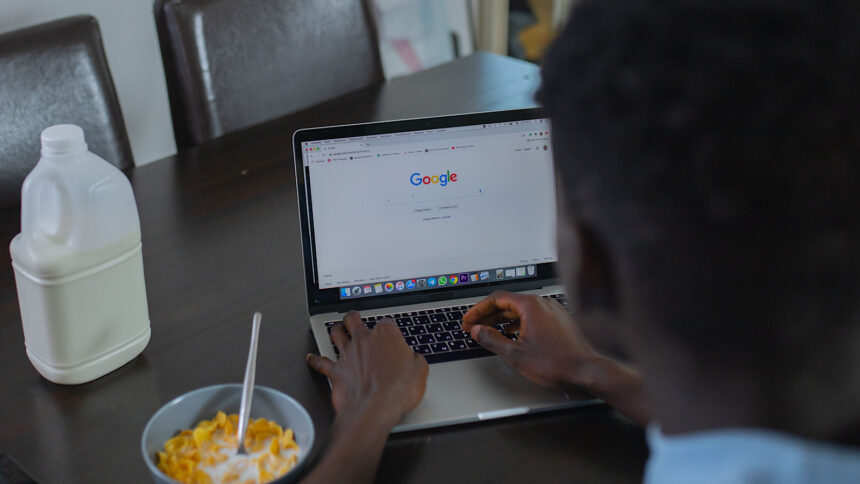
- A Kaspersky survey of 1,000 South Africans found that half use artificial intelligence for work and a third use it to improve their CVs.
- Job seekers risk exposing personal information and losing the human touch when using artificial intelligence to write CVs, security company Kaspersky warns.
Artificial intelligence is helping South Africans get ahead at work and hunt for jobs, but experts warn that one wrong move could expose their personal information.
A new survey by cybersecurity company Kaspersky found that half of South Africans who took part use artificial intelligence for work tasks.
One in three also uses the technology to improve their CVs.
The survey questioned 1,000 people in South Africa in 2026 as part of research covering the Middle East, Turkey and Africa.
Artificial intelligence can help job seekers write better applications, choose the right words and improve their chances of getting noticed by employers.
But Kaspersky warns that relying too much on the technology can make CVs sound the same and take away the personal touch employers want.
There is also a bigger danger. Job seekers could accidentally share private information with artificial intelligence chatbots.
Kaspersky advises people to remove their names, cellphone numbers, home addresses, email addresses, company names and scanned documents before uploading their CVs.
The company warns that information shared with these tools could be exposed to other users.
Job seekers should check privacy settings and switch off options that allow their information to be used to train artificial intelligence systems.
They should also read the service’s privacy policy before sharing anything.
Many large and medium sized companies already use computer systems to collect and sort job applications.
These systems can use artificial intelligence to scan CVs and select candidates who appear to match the job requirements.
But getting past the computer is only the first step.
A human recruiter will still read the CV, and a document filled with robotic language could leave a poor impression.
Kaspersky advises job seekers to write their own CVs first and then use artificial intelligence to improve the wording and layout.
The technology can also help highlight experience that matches a particular job.
However, applicants should make sure their CVs reflect their real skills and experience.
Kaspersky also warns people to watch out for job scams.
Criminals can send fake job advertisements, interview invitations and test assignments containing dangerous links.
Job seekers should check links carefully before clicking and investigate employers before sharing personal details.
They should also use strong, different passwords for each service and consider using a password manager.
Another warning concerns social media.
Kaspersky advises people not to post their full CVs publicly. Instead, they should share a short professional profile and send their complete CV only when requested.
The message is simple: artificial intelligence can help people find work, but it should never replace their own judgement.