
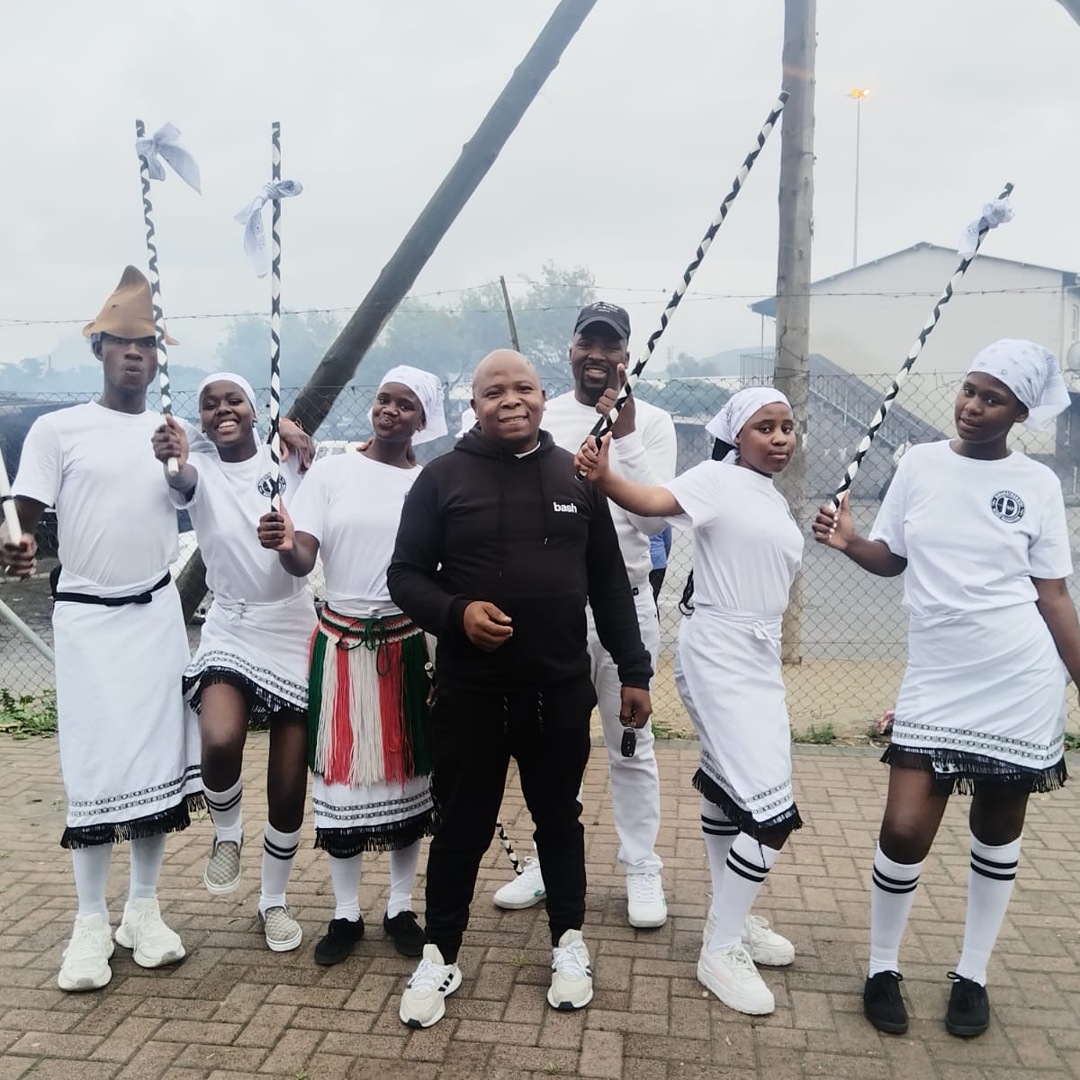
• Vuyo Ntonga started Isiqhova Production after seeing upcoming isiXhosa musicians struggle to get booked for events in the Eastern Cape and Cape Town.
• Ntonga currently supports 12 artists and pays some transport, accommodation, recording and food costs from his own pocket to help them grow.
Vuyo Ntonga is putting his own money behind a mission to get upcoming isiXhosa musicians out of the shadows and onto stages.
Ntonga started Isiqhova Production in 2024 after noticing that emerging isiXhosa artists were struggling to get booked for events in the Eastern Cape and Cape Town.
He believes musicians need more than social media exposure. They need audiences to see them perform.
“I am fighting for their recognition. Most event organisers don’t recognise them; they are not hired to perform at events, and I am introducing them to the communities,” Ntonga said.
“Yes, social media is good, but they need to be seen performing live.”
Ntonga currently works with 12 artists.
But getting them onto stages is not cheap.
He pays some of the costs himself, including recording, food, transport and accommodation.
A trip to a gig can require two vehicles, with fuel costing more than R3,000. Accommodation can cost R600 for each person a night.
The artists also have dancers who need support.
“For now I am using my capital,” Ntonga said.
Despite the costs, he believes the artists have what it takes to build successful careers.
“They are good musicians who have a message in their songs. They just need more exposure so that they can be seen, and I cannot let them down,” he said.
“I will help them reach their top levels and get booked all over South Africa.”
Ntonga believes another problem is holding isiXhosa musicians back: they do not support one another enough.
“Musicians are also undermining each other. They don’t support each other like the KZN artists,” he said.
He believes greater unity could help artists find opportunities outside their home provinces.
Ntonga’s artists also have their music available on streaming platforms.
He said someone monitors their royalties and makes sure the musicians receive the money owed to them.
One of the artists hoping to make her mark is Atheliwe Kunana, known as Inyok’emnyama.
Kunana started singing in 2025 after falling in love with maskhandi music while taking part in virgin testing.
“I used to play maskhandi songs when I was dancing, and I told myself that one day I would love to sing maskhandi,” she said.
Kunana believes unity is vital if upcoming musicians want to succeed.
“We need to hype and support each other as musicians. I am happy that he took a decision to fight for us,” she said.
Community leader Zolani Mgidana, 50, also believes artists need to work together.
He said some maskhandi musicians organise festive season events in their Eastern Cape villages but invite only artists from the same area.
“They must mix with artists from other areas,” Mgidana said.
For Ntonga, every gig is another opportunity to get an artist noticed.
He hopes that by bringing musicians together, helping them perform live and supporting them through the difficult early stages of their careers, they can eventually find audiences far beyond their own communities.
Pictured above: Vuyo Ntonga, who started Isiqhova Production to help upcoming isiXhosa musicians gain recognition and performance opportunities.
Image source: Supplied.