
Listen to this article.
- The government raised the minimum wage in March but many domestic workers still earn much less than the legal amount.
- A basic household food basket costs more than the minimum wage making it hard for parents to feed their children.
The government raised the national minimum wage by 5% on 1 March 2026. This added R1.44 an hour for general workers, bringing the new monthly wage to R5,320.48.
But many domestic workers say they earn much less and struggle to meet daily needs.
Matankiso Ranthumeng is a 33-year-old live-in helper in Gqeberha. She looks after a family of four.
She says her pay has not changed in a year. She earns R3,800 a month and gets a R1,000 bonus in December.
“I’ve heard about it on the news and I always thought it applied to people who work for the government,” she said.
She does not complain because jobs are hard to find.
Nompumelelo Zicina is a 42-year-old stay-in helper in Mthatha. She cares for a mother and four children.
She earns R3,500 a month and did not know about the new legal wage.
“Most of us just want to earn an income, we don’t have the luxury of asking about UIF and all those things,” she said.
The Pietermaritzburg Economic Justice and Dignity Group says the wage increase does not match rising living costs.
The group says an average household food basket costs R5,328.53 a month. This is almost the same as the new minimum wage.
Workers also have to pay R1,760 for transport over 22 days and R1,181.85 for prepaid electricity. This leaves them with R2,378.63.
A basic food basket for a family of four costs R3,667.72. This leaves a shortfall of R1,289.09.
Feeding one child costs R934.93 a month, but the government child support grant is only R560.
For many families, the wage increase has not closed the gap between their income and daily needs.
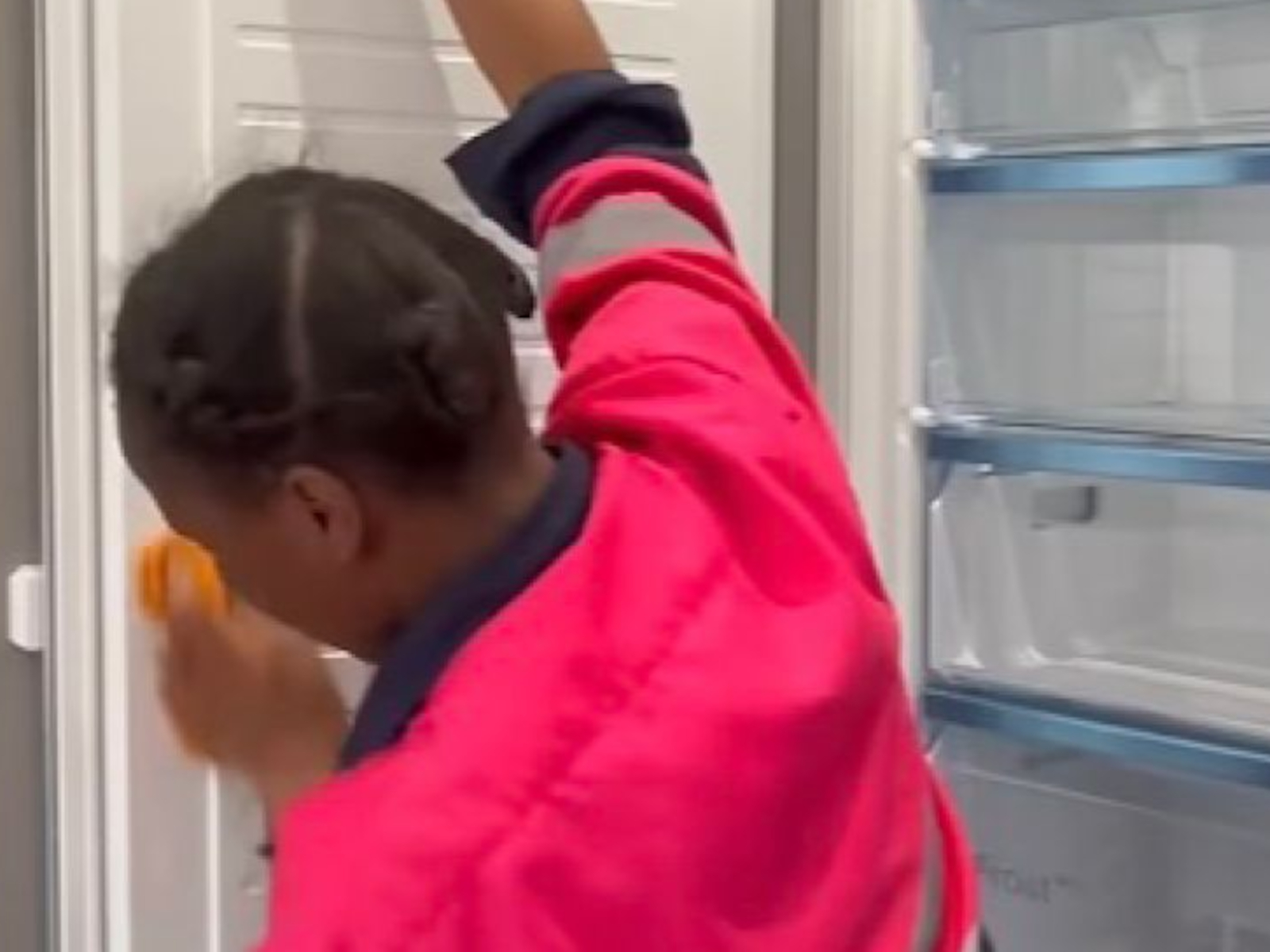
Pictured above: Matankiso Ranthumeng.
Image source: Supplied