- Dam levels in Nelson Mandela Bay stood at 33.80% on 23 February 2026, while unaccounted water losses climbed above 60% with more than 6,000 reported leaks.
- Nineteen schools and one clinic were adopted within weeks through the Business Chamber initiative to fix leaks, repair plumbing and install rainwater systems.
Businesses in Nelson Mandela Bay are stepping in as the water crisis deepens.
Within just a few weeks, 19 schools and one clinic have been adopted through the Nelson Mandela Bay Business Chamber’s relaunched Adopt A School programme.
The move comes as dam levels continue to drop. On Wednesday, dams were sitting at 33.80% of capacity.
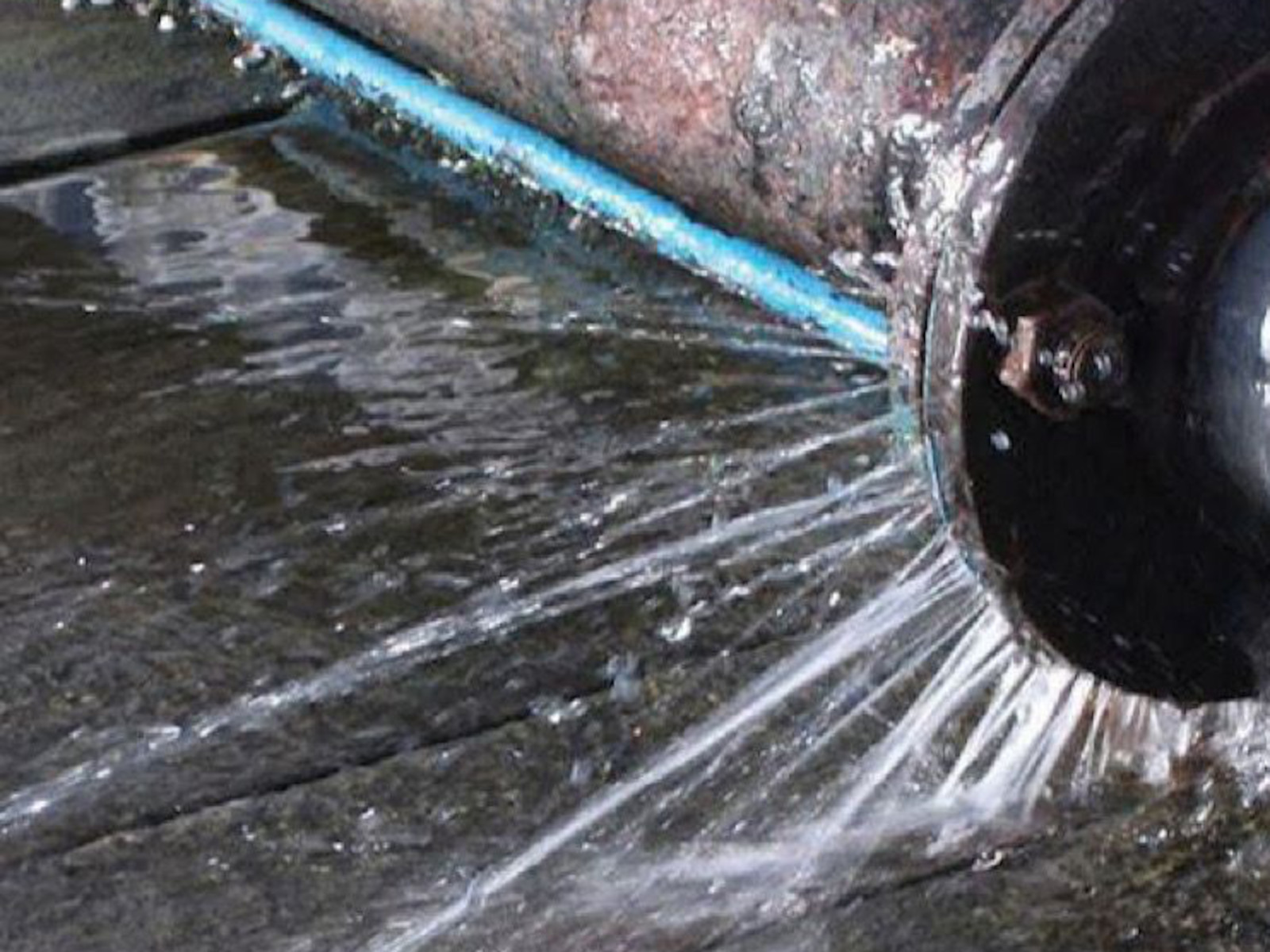
At the same time, unaccounted water losses have climbed above 60%. More than 6,000 leaks have been reported across the metro.
This week alone, the municipality repaired 978 leaks. That shows how big the problem is.
The Nelson Mandela Bay Business Chamber’s Adopt A School programme first started several years ago. Back then, 18 businesses adopted 76 schools. The focus was simple. Fix broken pipes. Repair leaking toilets. Install rainwater harvesting systems.
At the time, leaks at schools and clinics were believed to make up about 10% of the metro’s total water losses.
Now the programme has been relaunched in January as the threat of water shedding grows.
Aspen Pharmacare has re-adopted Gelvan Park Primary, John Masiza Primary, Walmer Primary School and Walmer West Primary School.
Isuzu Motors South Africa has renewed its support for Soutpan Primary School, St Albans Primary School, Rocklands Farm School and Nkuthalo Public Primary School.
Eduvos has adopted Pearson High School. Coega Steels is supporting Motherwell High School and Douglas Mbopa High School. Welfit Oddy has adopted KwaMagxaki Clinic.
Volkswagen Group Africa has adopted eight schools. Four are re-adoptions and four are new additions. These include Hombakazi Primary School, Ntungwana Primary School, Mgcunube Primary School, Mqahyi Senior Primary School, Nokwezi Primary School, Phindubuye Primary School, Vuba JP School and Ntlemeza Primary School.
NMBC Chief Executive Officer Denise van Huyssteen said the fast response shows that water security is now a serious economic risk.
“The speed at which businesses have stepped forward to adopt and re adopt schools is both encouraging and necessary. Water security is no longer a future risk it is a present and escalating reality for our metro,” she said.
She warned that falling dam levels, high water use and major system losses increase the risk of restrictions and possible water shedding.
Current water use is about 367 million litres a day. The target is 280 million litres.
Van Huyssteen said businesses must plan ahead, just as they did during load shedding in 2023/24. She said companies should invest in water storage, recycling systems and rainwater harvesting to protect jobs and keep operating during disruptions.
She said acting early is cheaper than reacting in a crisis.
The Business Chamber said it will keep working with stakeholders to improve infrastructure and support long term water security in Nelson Mandela Bay.
Pictured above: A leaking water pipe.
Image source: Nelson Mandela Bay Municipality