• National Health Insurance plans to pay contracted public and private healthcare providers so patients do not pay when receiving services covered by the fund.
• Unemployed and poorer South Africans are also meant to benefit, but National Health Insurance is being introduced gradually and is not yet fully available.
Getting good healthcare in South Africa often depends on how much money you have.
Health Minister Aaron Motsoaledi says National Health Insurance (NHI) is meant to change that.
He says the system should become an equaliser between rich and poor South Africans by giving people access to healthcare based on what they need, rather than what they can afford.
But NHI is not yet fully in place.
The government is introducing the system gradually while preparing the country’s healthcare system for the changes.
Here are five important things South Africans need to know:
Patients should not pay when receiving covered care: the NHI is designed to use a central fund to pay for healthcare.
The fund will be financed through taxes and used to pay healthcare providers for services covered under the system. This means patients should not have to pay at the time they receive healthcare covered by the fund.
Instead, the National Health Insurance Fund would pay healthcare providers that have contracts with it. The aim is to make sure that someone who needs medical treatment does not avoid getting help simply because they do not have enough money.
Being unemployed will not exclude you: the NHI is not meant to work like private medical aid and health insurance, where people normally pay monthly contributions to receive cover.
According to the Department of Health, unemployed people and those without medical aid are also meant to receive healthcare through the system.
The principle is that healthcare should depend on a person’s medical needs rather than their ability to pay. This could make a major difference for poorer families who cannot afford private medical aid.
People could have more healthcare options: the NHI will not rely only on government hospitals and clinics.
The government plans for the fund to buy healthcare services from both public and private providers. This means contracted private doctors and hospitals could also provide services paid for by the fund.
For people who currently depend entirely on public hospitals and clinics, this could eventually provide more healthcare options. But this does not mean patients will automatically be able to walk into any private hospital or doctor and receive free treatment.
Private healthcare providers will need to meet the required conditions and have contracts with the National Health Insurance Fund.
Millions of people are meant to be covered: the NHI is intended to cover South African citizens and permanent residents.
Refugees and some foreign nationals will also qualify for healthcare under the system. Asylum seekers and undocumented foreign nationals will have access to emergency medical services and treatment for certain serious diseases that must be reported.
Children will receive healthcare regardless of their nationality. Foreign visitors will generally need travel insurance to cover their healthcare while they are in South Africa.
Registration should be free: People will not have to pay to register for National Health Insurance.
According to the Department of Health, people will register when they first visit an accredited healthcare provider contracted to the fund.
They will need identification such as an Identity Document, passport or another accepted identity document. Fingerprints are also expected to form part of the system.
Once registered, patients should not have to complete the entire registration process every time they visit another contracted healthcare provider.
The government says the identification system will help fight fraud and ensure that the correct patient receives the correct treatment and medicine.
But, South Africans should understand that these changes will not happen overnight.
The NHI is still being introduced and the complete system is not yet available across the country.
The government says it still needs to strengthen the healthcare system and put the structures needed for National Health Insurance in place.
For unemployed South Africans, the promise behind the system is significant.
If it works as planned, needing a doctor should eventually be about how sick you are, not how much money you have in your pocket.
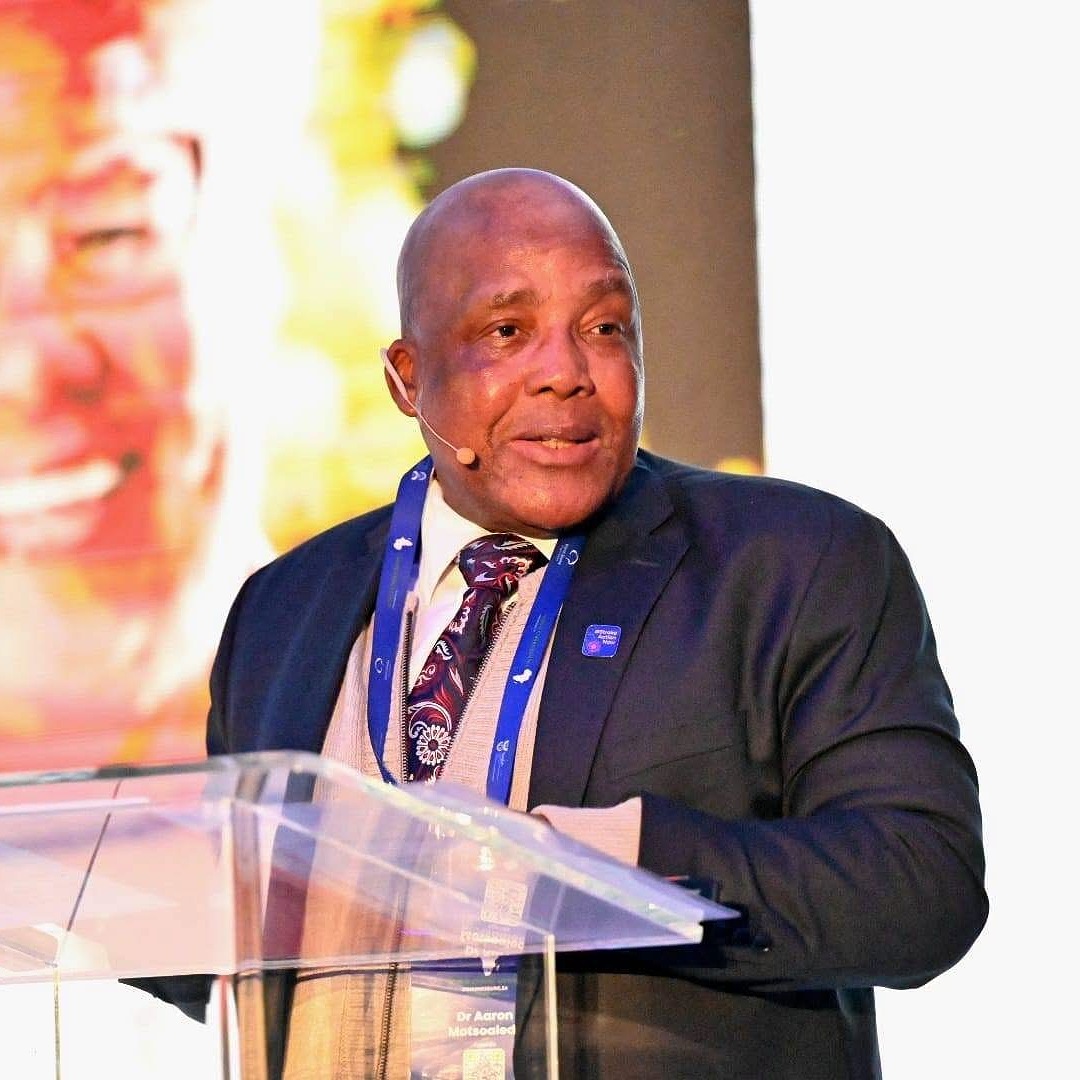
Pictured above: Health minister Dr Aaron Motsoaledi
Image source: File.