
The youth of 1976 did not ask permission. They walked into the street and dared the apartheid government to stop them. Their enemy was visible and the whole world could see it, writes Celani Sikhakhane in Mzansi Royals.
The young traditional leaders of this generation face something harder to name. Their battles happen behind closed doors, inside royal courts, in the quiet war between family loyalty and the right to lead. The enemy wears the same surname.
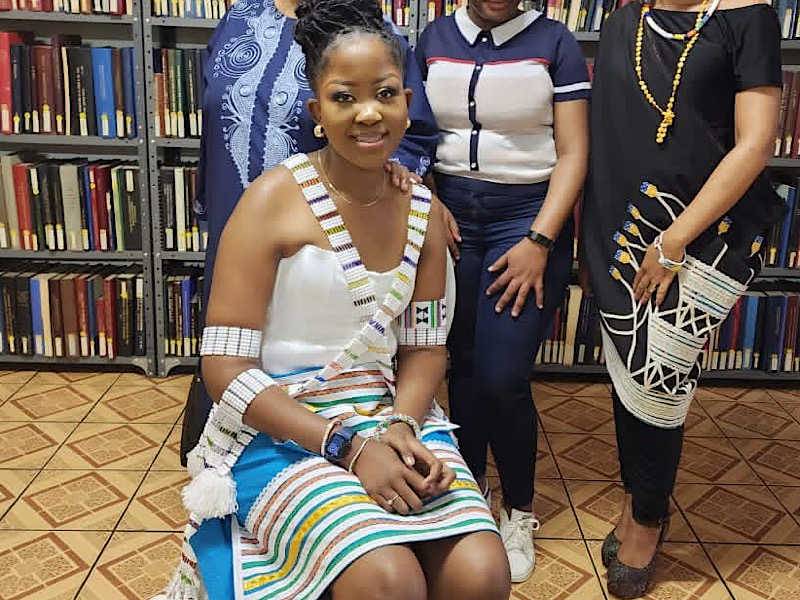
Rain Queen Masalanabo Modjadji of the Balobedu Kingdom has been that kind of fighter. She ascended to the queenship against resistance from within her own royal family, including a challenge from her brother Prince Lukukela Modjadji. She held her ground. For many young South Africans watching, her refusal to step aside has become something worth pointing to.
In Nongoma, Inkosi Melisizwe Zulu of eMatheni Tribal Authority took the throne from his mother, the Queen Regent Thabisile Zulu, after he turned 18. He did not spend his early years as inkosi consolidating power. He went to work. He announced plans to draw from the royal trust to tackle water shortages in the villages of eMatheni, and joined other young traditional leaders in pushing the government to create a dedicated budget for community development.
In Msinga, Inkosi Mpondulo Dumezweni Ngubane of the eMabomvini clan took the throne in 2021 at the age of 20 after the passing of his father, Inkosi Khomba Ngubane. He was confirmed as the rightful heir by both his family and the Department of Cooperative Governance and Traditional Affairs, but the infighting did not stop there.
All three are still standing. None have surrendered what they were born to hold.
June belongs to the youth of South Africa. This generation of young leaders has earned a place in that story.
Pictured above: Rain Queen Masalanabo Modjadji of the Balobedu Kingdom is among a generation of young traditional leaders holding their ground against family opposition and political pressure.
Image source: Rain Queen Modjadji Foundation