By Rorisang Modiba
- Emmanuel and Magdeline Moloisane of Kelerea Farm in North West rebuilt their business after losing cattle to disease and harsh weather in 2021.
- The family now farms sheep, goats and eggs while training their children, Kelebogile and Rearabilwe, to carry the business into a changing climate.
In 2021, Emmanuel and Magdeline Moloisane lost most of their cattle to disease outbreaks and a lack of proper vaccinations. It was a painful blow that nearly ended their dream of running Kelerea Farm in Transaksie Temba, North West.
But instead of giving up, the family rebuilt their business from scratch and are now raising Brahman cattle and Bosvelder sheep while preparing their children to take over.
“The loss came with valuable lessons,” said Emmanuel. The family had to learn quickly about climate change, vaccinations, and livestock care.
Kelerea Farm, named after their children Kelebogile and Rearabilwe, started as a small family business in 2017. Over the years, they added goats, sheep, and eggs. In 2020, they opened a small shop to sell fresh products to neighbours and raise money for the animals’ needs.
But the challenges keep coming. Emmanuel says changing weather patterns have made farming unpredictable.
“Sometimes it’s spring one moment and winter the next. Rain comes at the wrong times, and temperatures change suddenly,” he says.
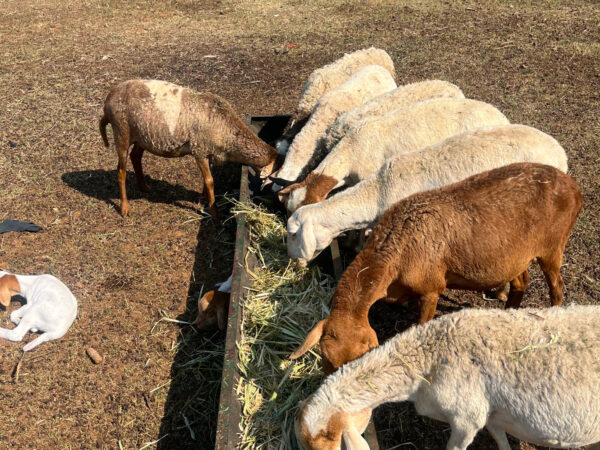
These conditions have brought new livestock diseases, including coccidiosis, which affect both cattle and sheep.
To protect their animals, new livestock are quarantined for 30 to 45 days and dewormed before joining the herd. Despite this care, losses still happen.
“Animals can’t tell you when they’re sick. This year alone, we lost 30 sheep to a disease we’ve never seen before,” Emmanuel says.
“Sheep suffer the most,” said Emmanuel. “You feed them out of pocket for nearly a year, and food is expensive.”
The North West province faces long dry spells, often from May to November. Drought reduces pasture growth and forces farmers to buy expensive feed.
To survive, they follow a strict schedule of vaccinations, keep detailed records, and invest in good genetics and nutrition. “Farming is not for everyone,” he said. “You need information, attention to detail, and respect for the climate.”
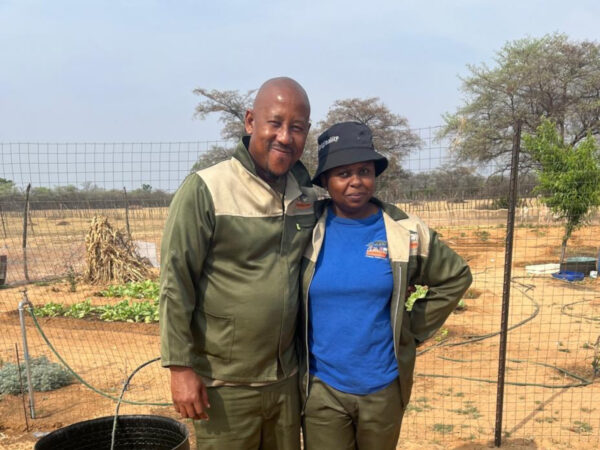
The family also believes in preparing the next generation. Seventeen-year-old Kelebogile learns animal care and daily farm work, while 23-year-old Rearabilwe Mokwena, an agriculture intern at the Cape Peninsula University of Technology, focuses on the scientific side.
“At first, I was discouraged,” she said, “but I’ve learned to accept the challenges and grow from them.”
Kelerea Farm’s story began decades ago when Emmanuel inherited two cows from his father Sekwati. In 2017, the family began investing more seriously, buying a Grey Brahman bull and later three Simmental heifers. But in 2021, those investments were lost to disease and drought.
Still, Emmanuel remains hopeful. “Lessons are expensive, especially with climate change,” he says. “But if you monitor your animals, stay informed and invest wisely, you can survive and even thrive.”
Emmanuel believes the government can play a big role in helping farmers by providing money for vaccines and medication.
Pictured above: Emmanuel Moloisane at Kelerea Farm.
Image source: Rorisang Modiba