Compiled by Dylan Bettencourt
- Mauritius named AI and digitisation as the first pillar of its 2026/27 national budget, ahead of six other priorities.
- The country plans AI tools for learners, teachers, public officers, healthcare, licensing, financial regulation and a new digital investment zone.
Mauritius wants artificial intelligence to become part of daily life.
The country has put AI and digitisation at the centre of its 2026/27 national budget, not as a side project, but as the first of seven main economic pillars.
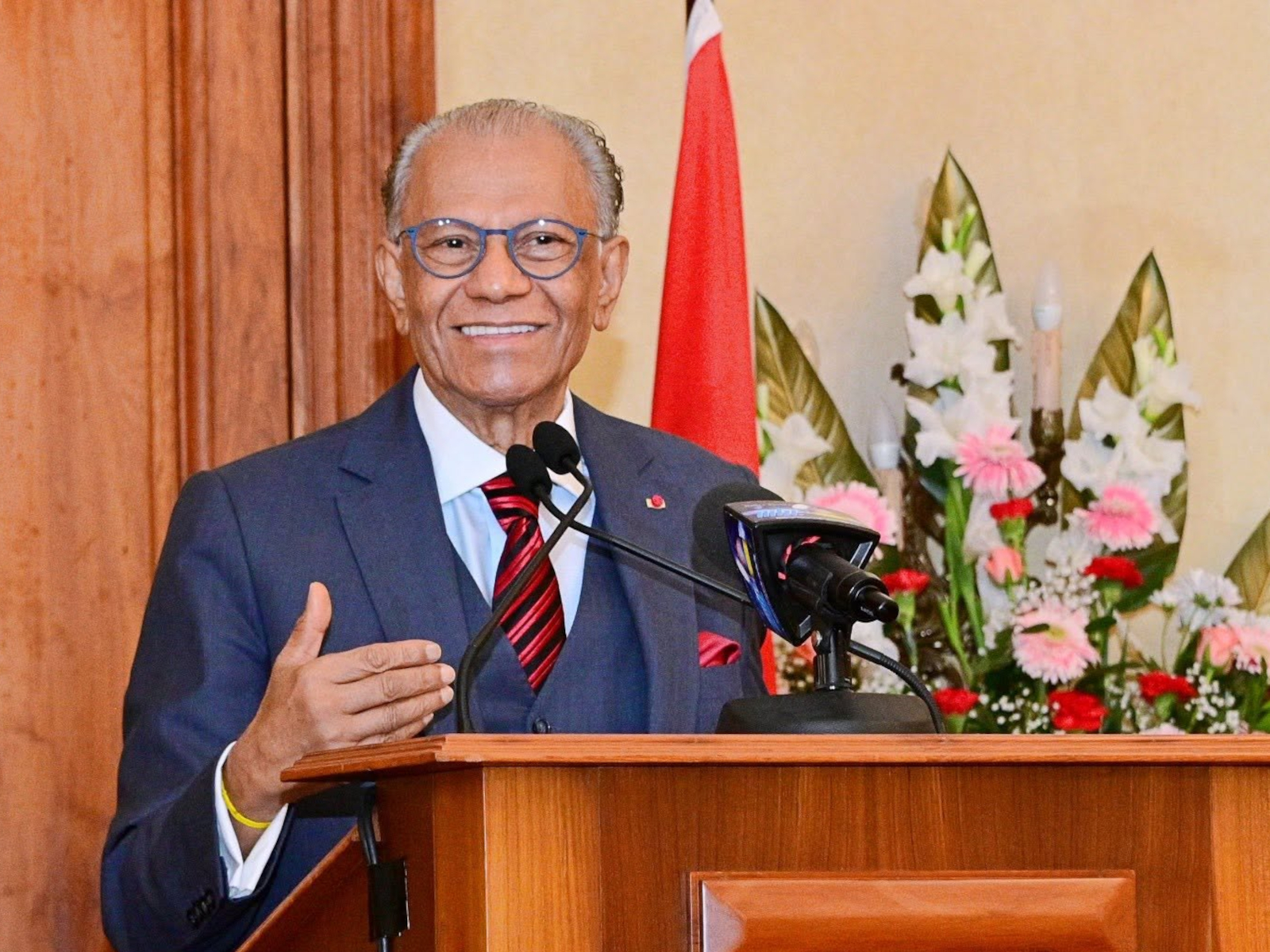
Prime Minister and Minister of Finance Dr Navinchandra Ramgoolam delivered the budget speech on 19 June.
The plan links AI to schools, hospitals, immigration, financial services, public offices and a new Special Economic Zone at Côte d’Or.
The government will train 50,000 people in practical AI skills over the next year.
That includes 25,000 developers, entrepreneurs and small business owners. It also includes 8,000 secondary school teachers, 5,000 public officers and 12,000 Grade 9 learners.
The Grade 9 learners will receive AI-powered learning tools.
AI will also be used in public services.
The National Electronic Licensing System will get a multilingual AI chatbot. The Financial Services Commission will use AI tools, while a Healthcare Innovation and Artificial Intelligence Unit will assess the use of clinical AI.
The government also wants Mauritius to become a trusted AI and cloud services hub for the Indian Ocean and Southern African Development Community region.
A new high-tech Special Economic Zone at Côte d’Or will target AI and digital investors.
The zone will offer full foreign ownership, a special electricity tariff for data centres, VAT recovery and fast-track work permits for specialised foreign workers.
Mauritius will also introduce a Start-Up Act with a 10-year income tax holiday.
Manufacturing companies that invest in AI solutions and patents will qualify for a 15% investment tax credit every year for three years.
The budget builds on Mauritius’s National AI Strategy 2025-2029, which was launched in April.
The strategy includes data infrastructure, skills, responsible AI in government and a new government AI Unit to oversee the work.
It also introduced DIVA, an AI assistant for government mobile services, and a Regional AI Marketplace to connect startups and public institutions across Africa.
The budget now gives money and incentives to a plan that had mainly been policy.
Pictured above: Mauritius Prime Minister and Minister of Finance Dr Navinchandra Ramgoolam.
Image source: Dr Navinchandra Ramgoolam/Facebook.