
- Prices are 4.5% higher than a year ago, says Statistics South Africa. Maize meal is 8.6% cheaper and fruit and nuts 4.8% cheaper, but transport costs are up 10.8%.
- Economist Johann Els expects inflation to go above 5% in October and November, and the fuel levy cut from 4 November will cover only about a quarter of the petrol price rise since January.
Maize meal and fruit cost less than they did a year ago, but getting around is much more expensive.
Prices in September were 4.5% higher than a year ago, according to Statistics South Africa. That is up from 4.4% in August and 4.3% in July. In simple terms, something that cost R100 a year ago now costs about R104.50.
Food is where the good news is. Food prices are only 1.2% higher than a year ago, and they fell by 0.1% from August.
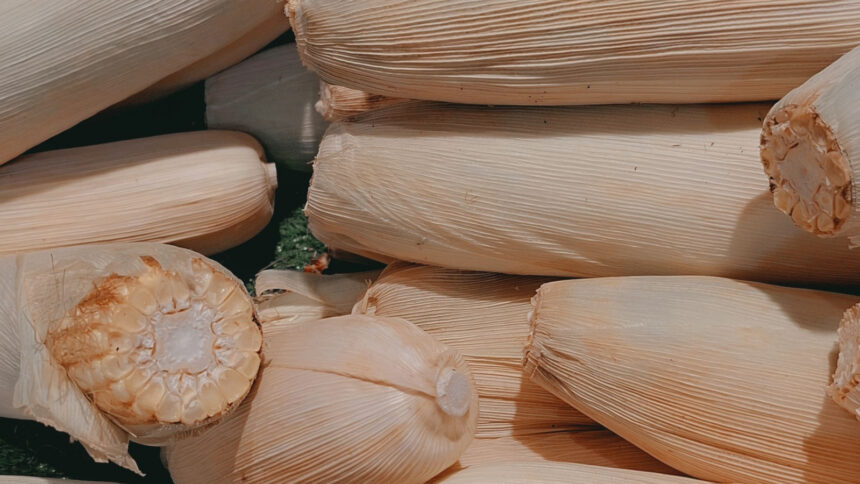
Maize meal is 8.6% cheaper than a year ago, although it went up 0.8% in the past month. Cereal products overall are 1.9% cheaper, the eighth month in a row that their prices have fallen. Fruit and nuts are 4.8% cheaper.
Meat is still going up in price, but slowly. Prices are up 0.7% on a year ago, the slowest pace in 18 months.
Not everything is cheaper. Fish and seafood cost 8% more than a year ago. The rise is 9.1% in the Western Cape, 7.6% in Gauteng and 7.4% in Limpopo. Vegetables cost 3.5% more than a year ago, but their price fell 1.6% in September.
Transport is the biggest problem. Costs are 10.8% higher than a year ago, and this added more to inflation than anything else. IOL reported that petrol has gone up by R6.13 a litre since January, and diesel by R10.66. For a 50-litre tank of petrol, that is about R306 more.
PSG economist Johann Els told IOL that taxi and public transport costs have also gone up, but there is little sign yet of price rises spreading to other things.
Rent is rising more slowly. It went up 3.9% in the third quarter, down from 4.1% in the second. Flats rose by 4%, townhouses by 3.9% and houses by 3.8%. On a rent of R3,000, a rise of 3.9% is about R117 more a month.
Els expects inflation to go slightly above 5% in October and November, then start to fall from around April next year. He said a lot depends on whether oil prices drop next year.
Some help is coming at the pump. From 4 November, the fuel levy will be cut by R1.50 a litre on petrol and R3 a litre on diesel. That covers about a quarter of the rise since January. The cut shrinks after 1 December and ends on 5 January 2027.
For households, that means maize meal and fruit are where your money goes further, while fish and travel are where it goes less far.