
By Ndivhuwo Mukwevho
- The Department of Education will lift its ban on school food vendors but enforce stricter regulations for safety.
- Vendors like Rachel Ramasimu and Gladys Munyai say these new rules are too strict.
The Limpopo Department of Education is set to suspend a ban on school food vendors next week, allowing vendors to operate their stalls within public schools once again.
In October, the provincial department of education barred all vendors from operating on or near school premises, following incidents of learners falling ill after consuming snacks bought from vendors and nearby shops.
A 13-year-old learner from Khubvi, a village outside Thohoyandou in the Vhembe district, died after eating these snacks.
However, not all vendors welcome the new developments, as they feel that some measures introduced by the department are unreasonable.
“Though I am happy that we will be going back to sell at the school, I feel that what the department is requiring of us is too much. The worst part is that we’ve been given only a few days to sort everything out, and it will be difficult for some of us to obtain all the necessary documents in time,” said Rachel Ramasimu, a school vendor in Vhembe.
Ramasimu told Scrolla.Africa she is also worried about having to produce receipts for all items sold.
“I understand what the department is doing, but it will affect us negatively. I still have stock that I bought a few weeks ago, but I no longer have the receipts, so what am I supposed to do with all these items?
”Does this mean I can no longer sell them, even though they have never made anyone sick?” said Ramasimu.
Martin Mashaba, acting head of department (HOD) of the provincial department of education, said that the safety of learners remains a key priority.
“With the lifting of the food suspension, we hope that vendors will adhere to all the regulations and work closely with school governing bodies,” said Mashaba.
Some of the conditions set for school vendors by the Department of Education include valid Certificates of Acceptability (COA) from the Health Department, affirming compliance with hygiene standards.
They are also required to stock and sell food items consistent with nutritional guidelines and to have a formal service level agreement (SLA) with the school governing body.
According to the department, all food vendors serving schools must maintain verifiable documentation demonstrating the origins of their products. This includes receipts and invoices detailing suppliers, purchase dates and product descriptions.
Mashaba added that there will be a ban on the sale of snacks from brands identified as containing foreign objects or lacking expiry dates. “This is a crucial step in safeguarding learners,” said Mashaba.
Gladys Munyai has been selling food at Lufule Primary School for the past 11 years. She said: “Selling to school kids has been my daily bread for years and being unable to sell anymore has made my life very difficult.”
She added that although they are being given a new opportunity, it will be impossible for her to return to work next week.
“Most of the information they require is excessive, and more time is needed to gather everything and get the money. Right now, we don’t have enough time,” said Munyai.
In Vhembe, most foreign-owned shops suspected of selling contaminated food items remain closed following instructions from local residents.
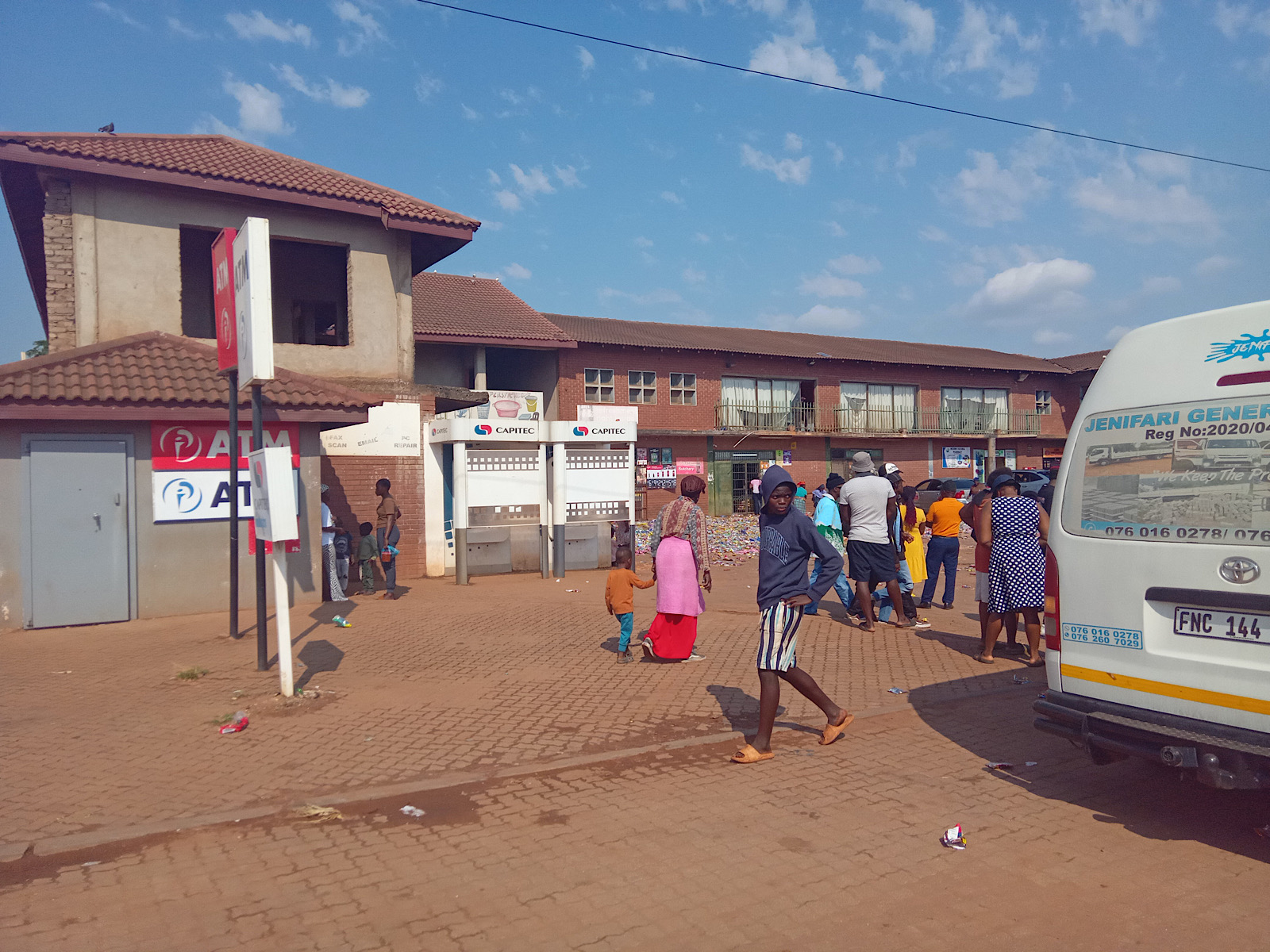
Pictured above: Some of the spaza shops that remain closed.
Source: Ndivhuwo Mukwevho