Listen to this article.
• Electricity tariffs will increase by 8.6%, while water charges will rise by 12.5% and sanitation by 11%.
• The City of Johannesburg says rising costs from Eskom and Rand Water have forced the increases despite public frustration over poor services.
Johannesburg residents are bracing for another financial blow after the city approved steep increases for municipal services.
From 1 July, households will pay more for electricity, water, sanitation, refuse removal and property rates.
Finance MMC Loyiso Masuku announced the increases while tabling the city’s R97.1-billion budget for the 2026/27 financial year.
The biggest increase comes from the Water Demand Management Levy, which will jump by a massive 65.6%.
Residents will also face higher charges across most basic services.
New tariff increases:
• Electricity: 8.63%
• Water consumption: 12.5%
• Sanitation: 11%
• Refuse removal: 6.2%
• Property rates: 3.6%
• Water Demand Management Levy: 65.6%
Masuku said the increases were largely driven by rising costs imposed on the city by Eskom and Rand Water.
She said inflation and growing operating costs have also placed pressure on the municipality.
“The problem is not the absence of plans but the persistent failure to convert them into measurable outcomes,” said Masuku.
She insisted the city is not collapsing and said officials must focus on improving service delivery and implementing plans properly.
Many residents, however, are questioning why they should pay more when service delivery problems continue across Johannesburg.
Water outages, power interruptions, potholes and infrastructure failures remain common complaints in many communities.
Johannesburg Water defended the increases.
Spokesperson Thokozani Tshabalala said the utility needs enough money to maintain and upgrade ageing infrastructure.
“We need to ensure we have sufficient money to invest in our infrastructure and continue providing services,” he said.
The city estimates that the increases will hit household budgets hard.
A middle-income household could pay about R667 more every month.
Households with properties valued at around R500,000 could see their monthly bills increase by about R365.
Poor households are expected to be hit hardest, with monthly costs rising by an estimated 13.4%.
The new tariffs come into effect on 1 July.
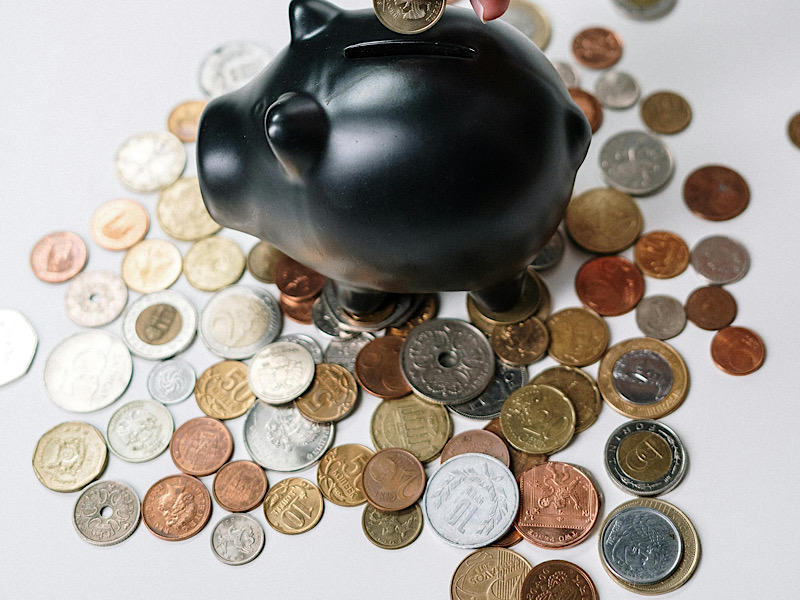
Pictured above: Coins
Image source: File