- Tumelo Phaka’s book, It Hurts to Be a Man, explores the hidden emotional struggles many men face but rarely talk about.
- Around 75% of suicides in South Africa are by men, according to the South African Medical Research Council.
Tumelo Phaka says men are in pain, and they are suffering in silence.
The 33-year-old from Setlagole Village in North West has written a deeply personal book called It Hurts to Be a Man. He says it is meant to start open and honest conversations about male mental health.
Phaka works full-time as an industrial IT specialist at a mining company in the Northern Cape. But it’s his writing that gives him purpose. His first book was Black Wolf in a Village. His second, It Hurts to Be a Man, tackles the things men are taught to hide: emotions, vulnerability, and mental struggles.
“Men are told to be strong all the time. But we are human before we are men, and humans have feelings too,” said Phaka.
He said that bottling things up often leads to pain, damaged relationships, and even dangerous decisions.
The book draws from his own life and what he’s seen around him. “Sometimes we go through things so that others can learn from us,” he said.
Phaka wants to break the idea that men must always be tough. He said that even when men are told to speak up, their friends and families often do not make it easy for them.
“People close to us don’t always make it safe for us to open up,” he said.
He believes men must take their mental health seriously, and women must understand how much men are quietly going through.
Writing the book helped Phaka heal, he said. “It helped me accept what I can’t change and to work on what I can.”
He hopes the book will help men feel seen and remind them that it is okay to feel and to ask for help.
According to the South African Medical Research Council, about 11 out of every 100,000 people in the country died by suicide in 2020 and 2021. Around 75% of them were men.
The South African Depression and Anxiety Group says about 23 people take their own lives every day, and for each one, about 10 more try to do the same.
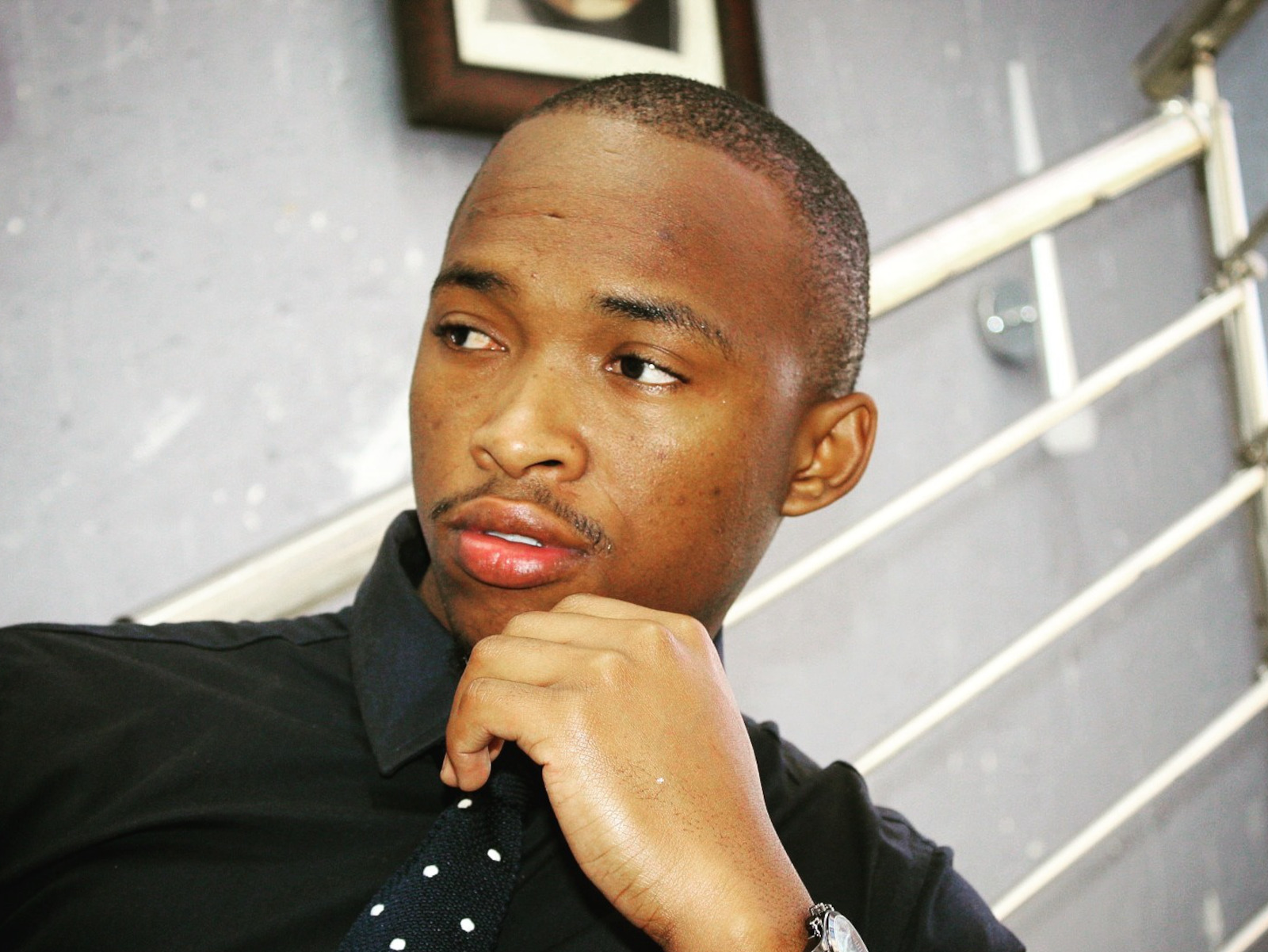
Pictured above: Tumelo Phaka.
Image source: Tumelo Phaka Facebook