By Everson Luhanga
- With no job and no capital, she used customer deposits to buy stock and start selling door to door.
- The business covers food and basics, but slow sales and cash shortages remain a constant worry.
Yonela Mayonie Magadla, 32, from Matatiele in the Eastern Cape, could not find work.
With no income coming in, she decided to use the skills she already had to survive. In 2022, she started a small detergent business. It became her only source of income.
“I didn’t have capital or another job,” she said. “If this didn’t work, we didn’t eat.”
She began by advertising her products and asking customers to pay upfront or put down a 50% deposit.
“That money helped me buy stock,” she said. From there, she started selling detergent door to door to reach more customers.
Today, the business helps her cover basic household needs. She supports her child and five other people who depend on her income.
“This money is for food and essentials,” she said. “There is nothing extra.”
She said cash flow is her biggest challenge. “When customers don’t buy, there is no money,” she said. “That’s when things get difficult.”
Despite the pressure, she has managed to create small jobs for others. At times, she hires up to three unemployed people to help her.
But she said survival remains fragile.
“Everything depends on sales,” she said. “If the business slows down, the whole household feels it.”
For Yonela, running a small business is not about success stories or big dreams.
“It’s about surviving when there is no job,” she said.
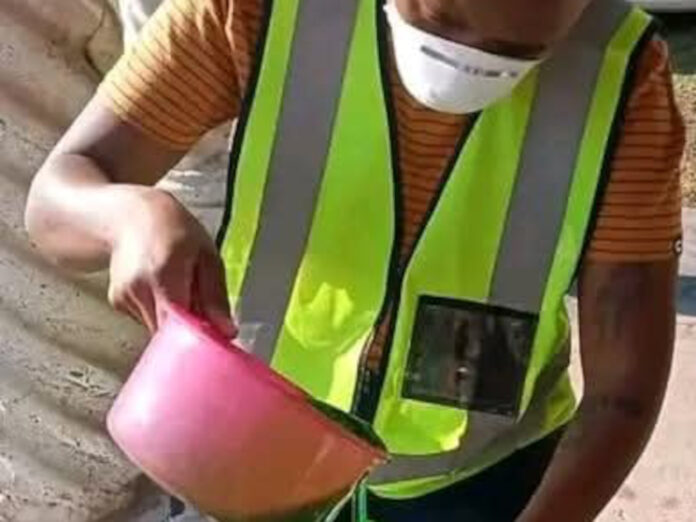
Pictured above: Yonela Mayonie Magadla at work with her detergent products in Matatiele.
Image source: Supplied