- The AI tool uses official DRC health data to estimate how many Ebola cases may still be missing from confirmed figures.
- The tool also tracks contact tracing gaps and operational gaps, helping health teams see where more people may need urgent follow-up.
An AI tool is helping health teams see how far the latest Ebola outbreak may really have spread in the DRC.
More than 1,000 Ebola cases have been confirmed since the outbreak was clocked on 15 May 2026, and 279 deaths since.
But the disease has been spreading in very remote areas of the DRC, so there are concerns that the data available might not be keeping up.
The latest outbreak is a new strain of the deadly disease. It’s known as the Bundibugyo strain. Unlike previous types of Ebola, there is no authorised vaccine yet available.
But the tool, called LOVS (Latent Outbreak Visibility System), estimates the real number could be between 2,200 and 4,000.
That means hundreds or even thousands of sick people may not yet have been found.
LOVS was built by Frans Moore and his company Arcede. It uses official health data from the DRC government and reports from organizations on the ground to estimate what may be happening beyond the confirmed numbers.
The tool does not replace doctors, nurses or outbreak teams. It gives them a clearer map of where the virus may be moving and where the response may be too weak.
One of the biggest gaps is contact tracing.
Health workers should be following up on between 20 and 40 contacts for every person who tests positive. LOVS calculates based on official numbers they are reaching about 11.
That means hundreds or even thousands of sick people may not yet have been found, or as some official reports state, are evading contact tracing and testing.
The tool helps outbreak teams see where they need to push more staff, testing and follow-up work.
This matters because outbreaks often move quietly before they are officially confirmed. By the time governments know the size of the problem, the disease may already have spread for weeks or months.
This outbreak is also being watched closely because it comes after the United States cut funding to the World Health Organization and shut down USAID.
USAID helped fund disease surveillance across Africa. Some experts believe the early warning systems that used to catch outbreaks in eastern DRC would have detected this one sooner.
South Africa has its own reason to care.
USAID cuts also hit HIV programmes here. Like Ebola, HIV can spread quietly when surveillance systems are weak.
LOVS shows how AI can help public health teams act faster. Not by replacing people, but by showing them where to look before the official numbers catch up.
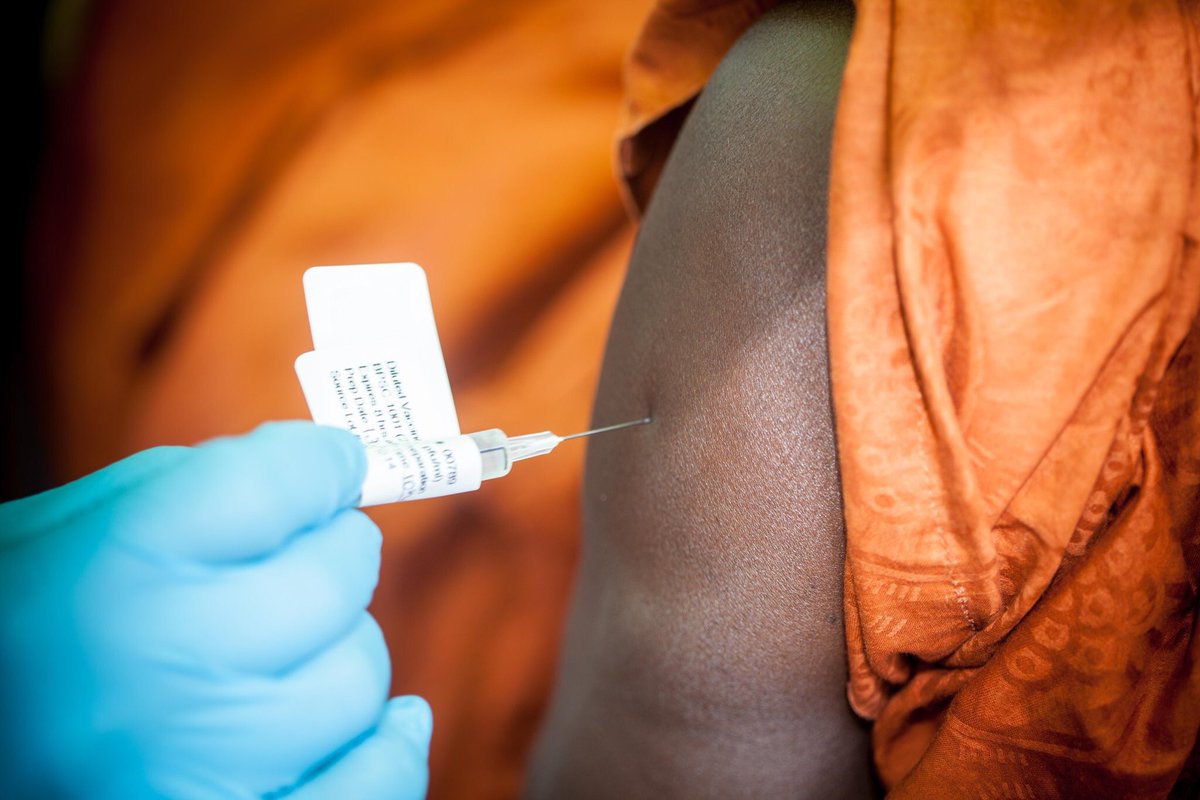
Pictured above: An Ebola vaccine being administered.
Image source: @WHO