By Palesa Matlala
- Members contribute R300 in food when a beneficiary dies, with stokvel groups made up of between 10 and 25 people.
- Nokuzola Mtye joined a funeral stokvel in 2016 after her mother died because payouts cover only 60% of burial costs.
Nokuzola Mtye, 38, from Soweto knows the struggle of feeding mourners during a funeral. When her mother died in 2016, she and her siblings had to take out loans to buy groceries for the funeral preparations.
The funeral undertaker then charged them for an extra five days. Although the loans they applied for were approved, it was still a difficult financial burden.
Funeral payouts covered only 60% of the burial costs. The family still had to find money to provide meals for relatives during the long preparations before the actual burial.
“We are Black people and our funeral preparations can take a week or two before the actual send-off. Therefore we need to offer everyone who walks through the door something to eat,” Nokuzola said.
She said people who come to funerals are not just there to offer support. “We are living at a time where everything is expensive. People don’t come to funerals to offer support only, they are also hungry,” she said.
That difficult experience led Nokuzola to join a funeral grocery stokvel. These groups are made up of men and women, with between 10 and 25 members. Each member puts together a list of 10 beneficiaries under their account.
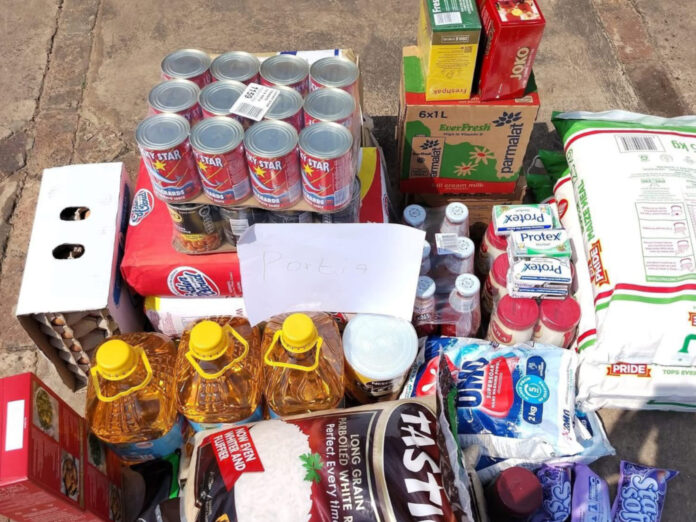
When a beneficiary dies, all the members contribute food or cleaning items at the value of R300.
In September 2025, Nokuzola lost both her siblings just weeks apart. They were both on her stokvel list. “I didn’t have to take a loan, my stokvel brought us enough non-perishable foods,” she said.
Nokuzola said they don’t believe in throwing food away. Instead, they give it to people as takeaways. She vowed to continue being a member of the grocery stokvel. “Because my parents taught us to provide a meal for anyone that comes,” she said.
Pictured above: Groceries.
Image source: Supplied