
By Selloane Ntshonyane and Palesa Matlala
- Dipulelo Pelo left Lesotho, slept in a shelter and survived on day jobs before valid papers helped her build a stable working life across three Johannesburg employers.
- Parliament is debating a bill that could fine employers R100,000 for a first offence and up to R1 million for repeat violations of foreign worker hiring rules.
Dipulelo Pelo left Lesotho at 36 with a matric certificate and a plan. She had heard that South African families were hiring Basotho women as domestic workers and nannies. She packed up, left her child behind and moved to Johannesburg.
It did not go smoothly at first. Pelo spent time in a homeless shelter and took whatever work came her way — weekend cleaning jobs, day shifts when someone called. She earned between R150 and R300 a day.
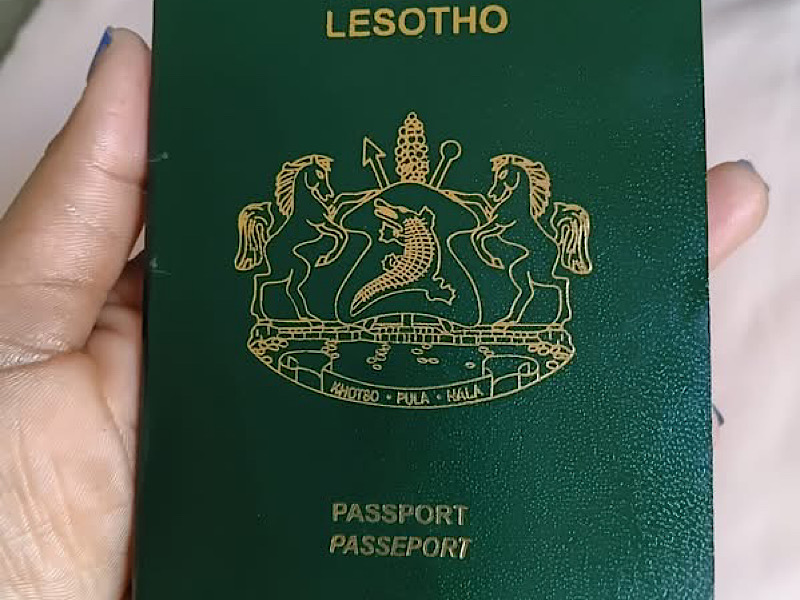
What kept her moving forward was her paperwork. Because her documents were in order, a recruitment agency agreed to take her on. That changed everything.
She now works across three jobs. Mondays and Fridays she cleans for a retired Zimbabwean business owner in Johannesburg. Tuesdays she cleans a corporate office. On weekends she works as a night nanny.
“I know why documents matter. If my papers are not right, I can lose everything,” Pelo said.
“There are no opportunities like this back home, so I must protect the work I have.”
Her story sits against a shifting legal backdrop. The Employment Services Amendment Bill is now before Parliament. If passed, employers who knowingly hire foreign nationals without valid work papers face fines starting at R100,000 for a first offence, rising to R200,000 for a repeat offence within three years, and up to R1 million for multiple violations.
The current Immigration Act already makes it an offence to hire a foreign national not legally allowed to work in South Africa.
The Congress of South African Trade Unions supports the bill. Cosatu parliamentary coordinator Matthew Parks said the federation discussed it at Nedlac in 2023 and will make a submission in support. Parks said the bill is needed because unemployment is too high and South African workers must come first, especially in low-skilled jobs.
The government has announced plans to recruit 10,000 additional labour inspectors to strengthen enforcement. The department currently has 2,300 inspectors nationwide.
For foreign domestic workers with valid papers, the bill changes nothing about their right to work. Their documents remain their protection.
Community member Muriel Khumalo, 74, said the bill will only work if enforcement is honest.
“If government wants this to work, they must always monitor these companies and make sure officials are not bribed,” she said.
Pictured above: Lesotho national Dipulelo Pelo says keeping her documents valid has protected her working life in Johannesburg.
Image source: Supplied