By Selloane Ntshonyane
- One student survives on R2,500 a month, with most of the money going to food.
- When transport money runs out, he is forced to walk long distances or miss lectures.
University student Katiso Kabi says surviving on a small monthly income has become a daily struggle.
Kabi receives R2,500 a month to cover his basic needs. This includes R1,000 from his mother and R1,500 from NSFAS.
Most of the money goes to food.
“Between R1,750 and R2,000 goes to food every month,” he said.
After buying food, Kabi is left with about R750 for transport and other expenses.
“That money only works if the university shuttle is available most days,” he said.
When food prices rise, the money does not last the full month.
“In some months, I have to cut back on meals,” Kabi said. “Towards the end of the month, I sometimes eat only once a day.”
Transport is another major challenge.
“When the shuttle is full or not running, the transport money runs out very fast,” he said.
On days when he cannot afford transport, Kabi said he is forced to walk long distances or miss classes.
To stretch his food budget, he buys only basic items such as bread, rice, noodles and eggs. Meat is rarely bought, and he avoids buying food on campus because it is more expensive.
“There is no money left for things like clothes,” he said. “Everything goes to food and transport.”
The pressure has started to affect his studies.
“When you are hungry or stressed about money, it’s hard to focus in class,” Kabi said.
He said missing lectures because of transport problems puts him behind.
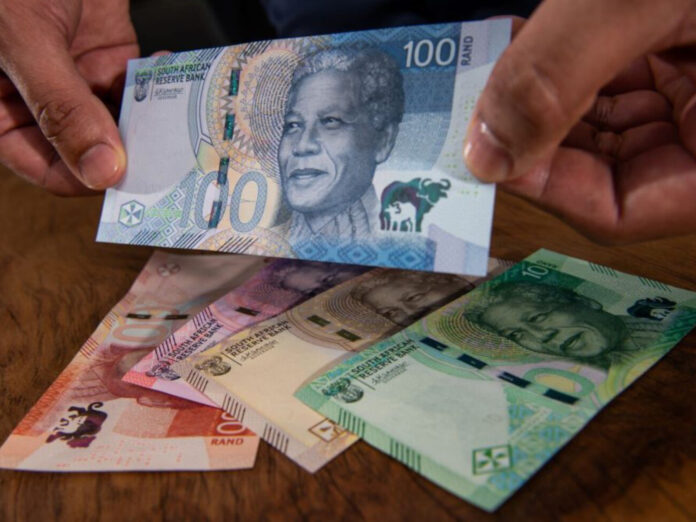
Pictured above: Money.
Image source: Supplied