By Dylan Bettencourt
- Electricity generation now costs R1.9-million per unit when it should cost R380,000 after adjusting for inflation.
- Eskom hired nearly 18,000 extra staff while Medupi and Kusile power stations ballooned from R160-billion to R465-billion.
For the past 20 years, Eskom has overspent by about R1.84-trillion. This is money that should never have been wasted.
The result? South Africans are paying electricity prices that should be 80% lower.
A new analysis by MyBroadband shows that corruption, mismanagement, inflated salaries and too many workers have driven up Eskom’s costs far beyond inflation.
Back in 2006, it cost Eskom about R147,000 to generate one gigawatt-hour of electricity. Adjusted for inflation, today that figure should be R380,000.
Instead, it now costs R1.9-million per gigawatt-hour – five times higher than it should.
Much of the problem dates back to Eskom’s massive build programme for Medupi and Kusile. These ballooned from an initial R160-billion budget to more than R465-billion.
At the same time, the utility went on a hiring spree to meet employment equity targets. It even recruited women of colour from overseas, some of whom were left with no work to do.
Eskom’s workforce jumped from 31,000 in 2005 to nearly 49,000 in 2018. It has since dropped, but at over 40,000 staff today, it remains far higher than when the power utility was still efficient.
The cost of this mismanagement is now being passed directly onto consumers. A R54-billion settlement between Eskom and the energy regulator Nersa will see further electricity price hikes over the next three years.
Critics say Eskom’s obsession with “cost-reflective” pricing simply forces households and businesses to fund inefficiency.
In some cases, the utility was caught paying R934,000 for kneepads, R238,000 for a mop, and R54 for a refuse bag.
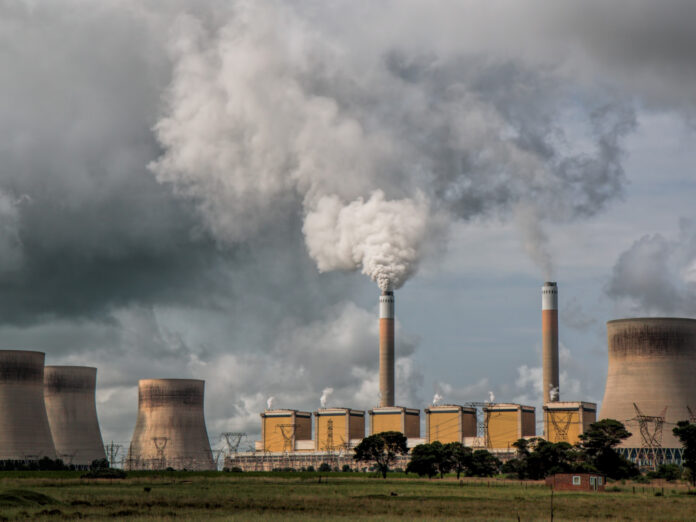
Pictured above: Eskom.
Image source: Pixabay