By Zukile Majova
A sudden loss of six generating units at different Eskom power stations plunged the country into Stage 3 load shedding on Tuesday.
In addition to this, three generating units that were due to return to the grid could not be returned on time, costing the grid a loss of 2,148 MW.
The loss of capacity after the loss of six generating units took out 3,113 MW from the grid.
“Stage 2 load shedding will be implemented from 05:00 until 16:00 on Tuesday. Thereafter, Stage 3 load shedding will be implemented until 05:00 on Wednesday January 3, 2024,” Eskom said in a statement.
This is just one in a series of incidents that show the unreliability of Eskom’s ageing coal fleet whose lifespan the government is now considering to extend by as much as two decades.
The power utility said it could not assure the nation when this pattern of blackouts would end.
“This coupled with a loss of and projected increase in electricity demand requires Stage 2 loadshedding to be implemented from 05:00 on Tuesday until 16:00, followed by Stage 3 load shedding until 05:00 on Wednesday.
“This pattern of Stage 2 load shedding in the morning and Stage 3 load shedding in the evening will be repeated daily until further notice.”
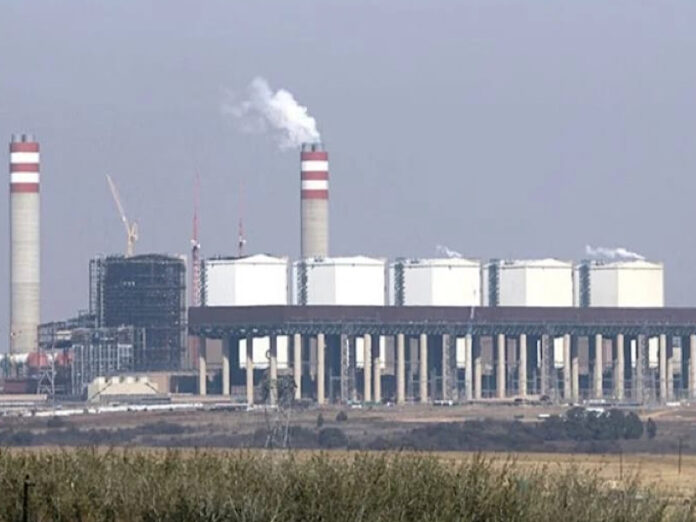
The bad news came shortly after Eskom’s Group Executive for Generation, Bheki Nxumalo, announced the return of Unit 5 of the Kusile Power Station project to the national grid.
“Eskom is delighted to announce that Unit 5 of the Kusile Power Station project was synchronised to the national grid for the first time on 31 December 2023 at 17h22. The unit will contribute an additional 800 MW to the country’s power system, which was never part of the Eskom grid capacity,” Eskom said.
After the completion of Unit 6, the station will consist of six units, which will produce a maximum 4,800 MW.
This will make Kusile South Africa’s largest construction project and will be the world’s fourth largest coal plant.