
- Eskom has more than doubled electricity prices since 2016, making life harder for families and small businesses across South Africa.
- Experts say corruption and bad management, not low prices, are to blame as more people switch to solar power.
Eskom has increased electricity prices by 134% since 2016 – but it’s selling less power than before.
The average residential price went from R1.08 per kilowatt hour in 2016 to R2.53 in 2025. That’s more than double in under 10 years.
These price increases, approved by the National Energy Regulator of South Africa, have put huge pressure on homes and businesses already battling high living costs.
Still, Eskom insists its prices are too low. The utility says it needs more money to cover running costs, debts and salaries.
But economists and energy experts disagree. They say Eskom’s real problem is not money, it’s years of mismanagement, corruption and overpaid staff.
“South Africans shouldn’t be paying for all that mess,” said Dawie Roodt, chief economist at the Efficient Group, BusinessTech reported.
Roodt went as far as to say the regulator should be shut down. “It has no idea what the price of electricity should be, and no one else does either,” he said.
Energy analyst Matthew Cruise from Impower said Eskom is caught in a “death spiral”. As prices rise, more people install solar and leave the grid. That means fewer paying customers, while Eskom’s costs keep climbing, including salaries that rise faster than inflation.
In 2016, Eskom sold 214,487 gigawatt hours of electricity. By 2025, that dropped to 189,723 which is an 11.5% fall.
Despite selling less, Eskom’s revenue more than doubled, up 111%, thanks to price increases.
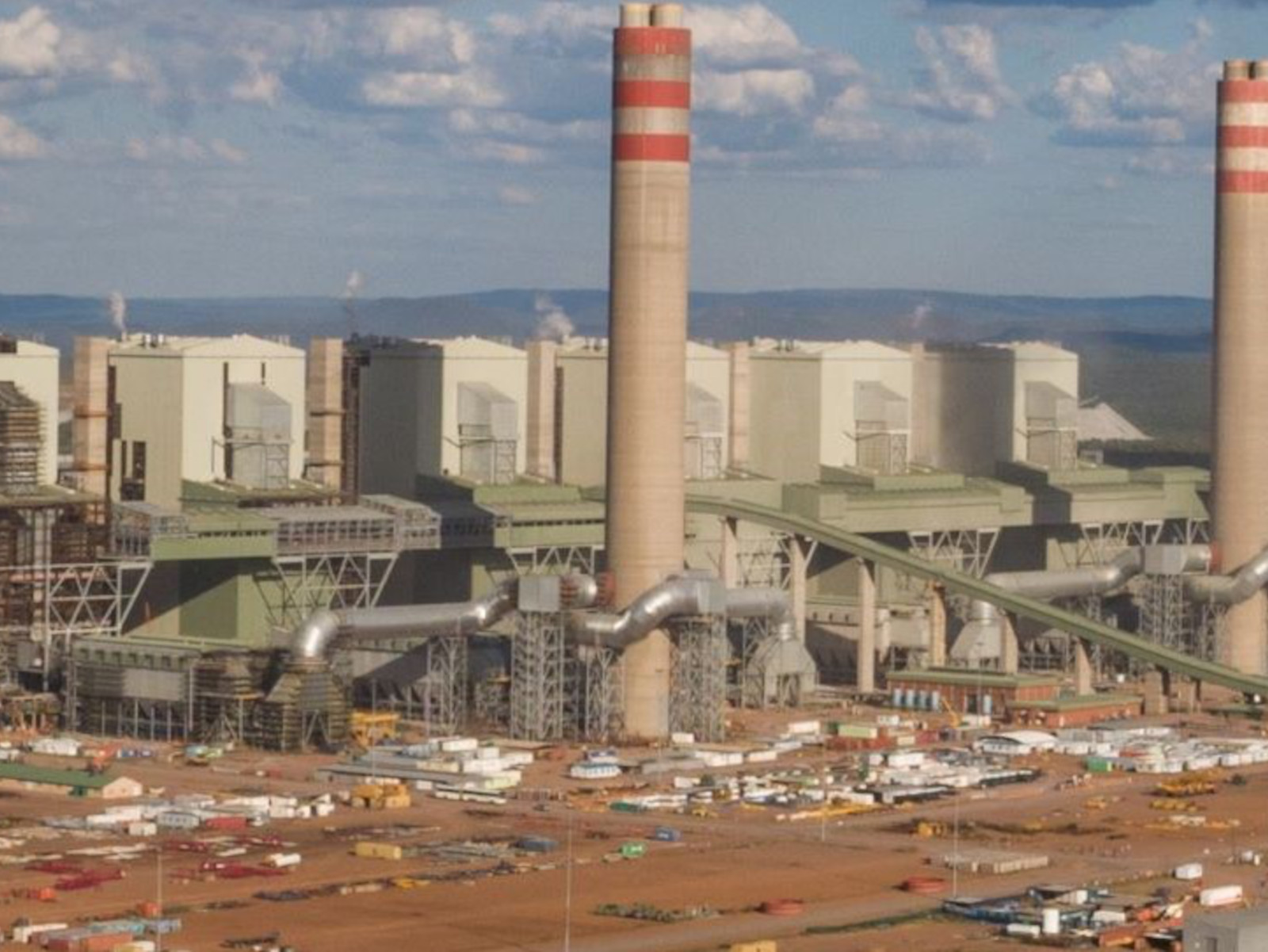
Pictured above: Eskom.
Image source: File