By Palesa Matlala and Selloane Ntshonyane
• Enos Mafokate rose from working as a groom under apartheid to become a pioneering Black show jumper who competed internationally.
• At his Soweto Equestrian Centre, Mafokate taught young people riding, discipline and responsibility, helping some turn his lessons into careers.
When Future Mashampa first saw children riding horses in Soweto, he wanted to join them, but his father had other ideas.
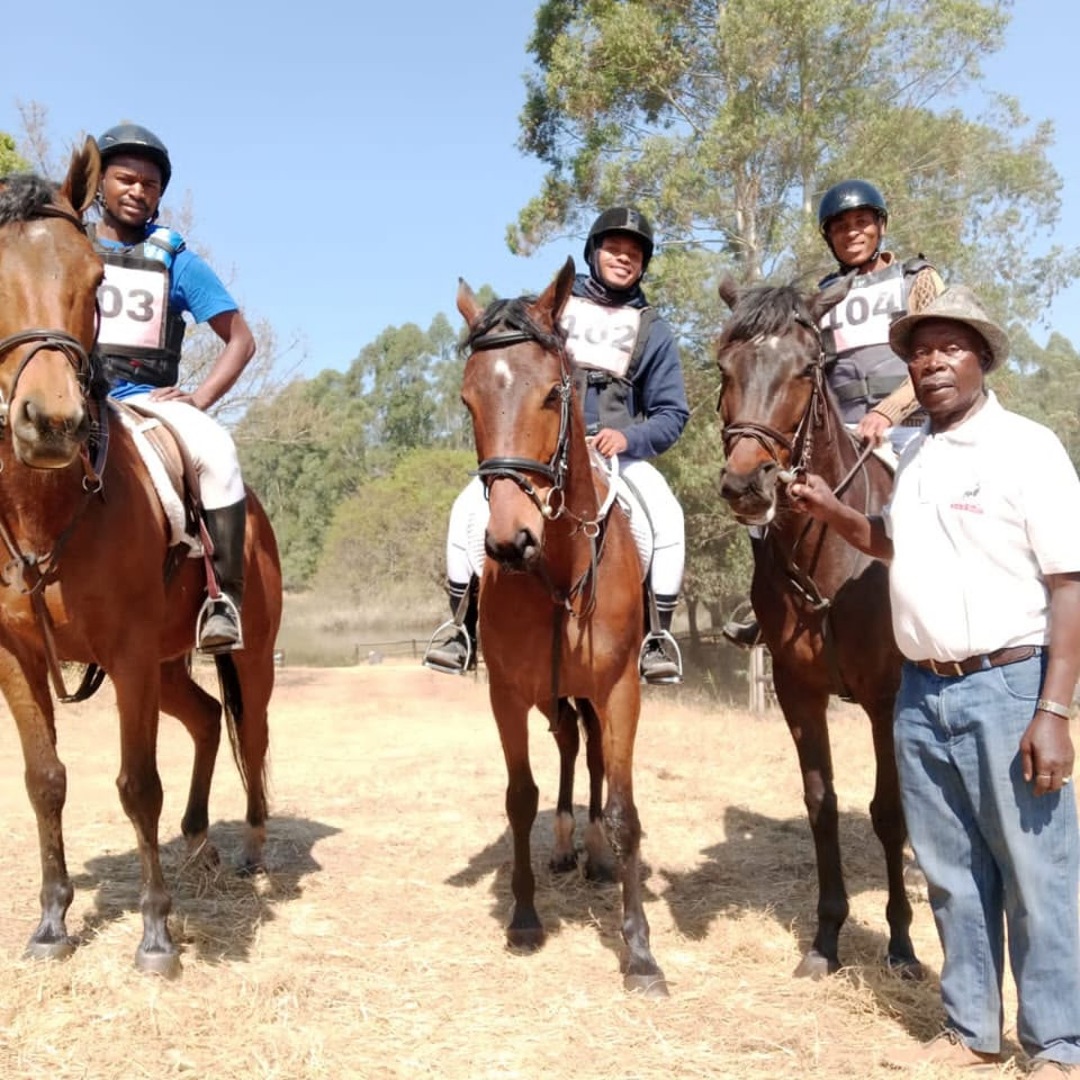
Mashampa was 12 years old when he met legendary horseman Enos Mafokate in 2007, after trying different sports before discovering something about horses that immediately pulled him in.
Mafokate told the boy that he first needed to bring his parents before he could start riding, so Mashampa went home and asked his father for permission.
The answer was no.
“My father said I can’t go there because I’ll end up selling coals and smoking drugs,” Mashampa recalled.
But the young boy was determined to ride, so the following morning he returned to Mafokate and explained what his father had told him.
Despite the father’s refusal, Mafokate put Mashampa on a pony and, while the boy was still riding, his father arrived at the centre and finally met the man his son desperately wanted to learn from.
That meeting changed everything.
Today Mashampa is 31 and still rides horses, but more importantly, he has built a career from the skills and opportunities Mafokate gave him as a child.
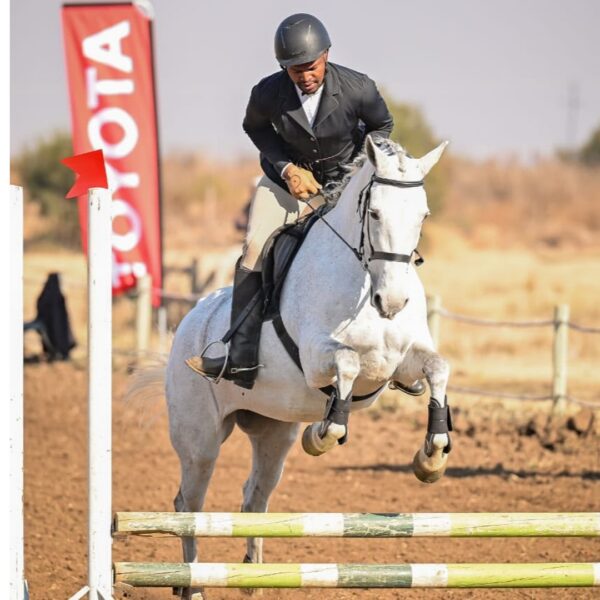
“He actually saw a son, a future show jumper who is willing to learn and grow in the horse industry,” Mashampa said.
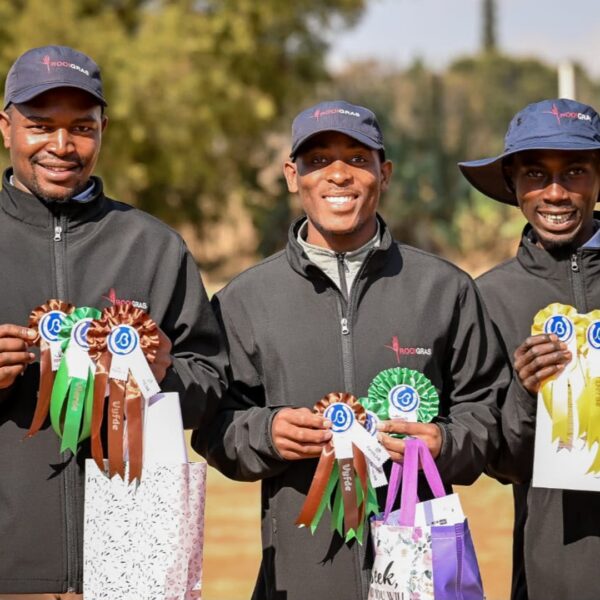
That 12-year-old boy from Soweto now works at Rooigras, a horse stud farm where he schools young horses before they are sold, turning the passion Mafokate encouraged into a way of making a living.
Whenever he gets the opportunity, Mashampa returns to Soweto to help younger riders, passing on the knowledge that Mafokate once gave him.
The child Mafokate taught has become a man teaching other children, and that may be one of the most powerful parts of his mentor’s legacy.
Mafokate did not simply break barriers for himself. He made sure other people could walk through the doors he had fought so hard to open.
The boy who just wanted to ride.
Mafokate’s own journey with horses began during apartheid, when something as innocent as two children swapping animals could expose the cruelty and racial divisions of the country they were growing up in.
As a child, he would break branches from trees, carefully smooth them down and pretend they were horses, but one encounter with a real pony would stay with him for the rest of his life.
Mafokate was riding his family’s donkey, Dapur, when he crossed paths with a white boy riding a pony.
The two children were curious about each other’s animals, so they decided to swap, with the white boy helping Mafokate understand the saddle and showing him where to put his feet and how to sit.
For those few moments, they were simply two children enjoying something new.
Then the white boy’s father arrived and became furious when he saw a Black child riding the pony while his own son sat on a Black family’s donkey.
Mafokate later recalled that, as a child, he could not understand what either of them had done wrong.
When he returned home, his own father punished him because he feared the serious consequences his son could face under apartheid for crossing a racial boundary that made no sense to the child.
The frightening experience could have pushed Mafokate away from horses forever, but instead it strengthened a dream that was already growing inside him.
He wanted to ride.
From groom to champion
Seven years later, Mafokate began working as a groom, a job that allowed him to spend his days close to the animals he loved even though apartheid still stood between him and the sport he wanted to master.
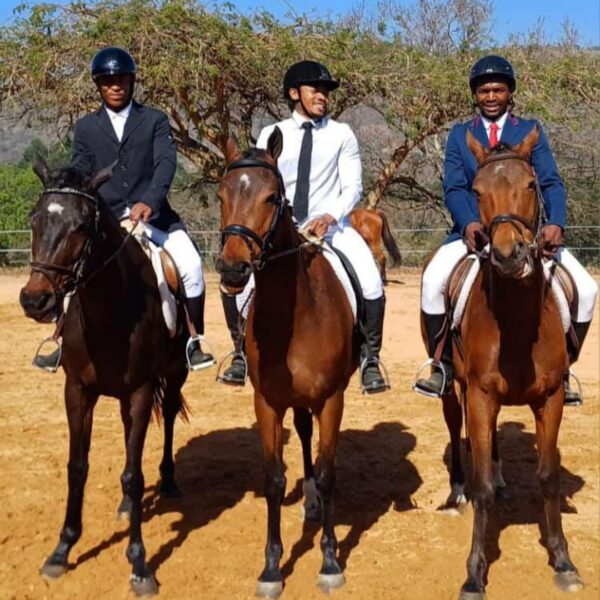
One day, temptation got the better of him and he climbed onto a grey horse called Don Pedro, despite not properly knowing how to saddle or control the animal.
The ride almost ended in disaster.
“I pulled on the reins but they moved in the opposite direction!”
His employer, Lesley Taylor, saw what had happened and Mafokate feared he was in serious trouble, but instead of punishing him, Taylor offered to teach him how to ride.
That opportunity became the beginning of an extraordinary journey that took Mafokate from looking after horses for other riders to becoming a competitor himself.
He became the first Black member of the Transvaal Horse Society and, in 1976, finished second in the Rothmans Derby.
He won at the Constantia Show Grounds in Cape Town in 1977 and 1978, before becoming the first Black rider in 127 years to compete at the Pietermaritzburg Royal Agricultural Horse Show in 1978.
Then the international doors began to open.
In 1980, British show jumper David Broome spotted Mafokate and helped create an opportunity for him to compete in Britain, where he went on to finish fifth out of 31 riders at the Royal International Horse Show at Wembley.
The boy who had once been punished after riding a white child’s pony had grown into a Black South African horseman competing on an international stage.
Years later, Mafokate was part of South Africa’s equestrian representation at the 1992 Barcelona Olympic Games as a sports ambassador.
But trophies, awards and historic firsts were never going to be the end of his story, because after breaking through barriers himself, Mafokate turned his attention towards opening doors for others.
Soweto’s King of Horses
Mafokate became affectionately known as Kgosi ya Dipere, meaning the King of Horses, but the kingdom he created was not built around money, status or luxury.
It was built around horses, children and opportunity.
Through the Soweto Equestrian Centre, Mafokate introduced young people to a sport that many township children might otherwise only have seen on television or from a distance.
The City of Johannesburg made 28 hectares of land available to help establish the centre, giving Mafokate a place where he could turn his vision into something that could change young lives.
He used the centre to teach young people show jumping, dressage and vaulting, while also teaching them the responsibility and discipline needed to care for horses.
His work stretched far beyond competitive riding, with the centre helping improve the welfare of horses in Soweto and giving people practical skills in caring for the animals.
Horse therapy was also used to assist people with disabilities, another part of Mafokate’s belief that horses could offer people far more than sport.
But behind the dream was a constant battle to keep the centre going.
Horses needed food and medical care, while competitions, transport, equipment and the daily running of the centre all required money that was not always available.
Mafokate once explained that he even used his pension to help keep the centre running and pay his assistant.
“I don’t do this thing for me. People should understand that. I do this for these children,” he said.
Those children became his greatest legacy.
More than horse riding
Mashampa said Mafokate taught him far more than simply how to stay in a saddle, giving him skills in vaulting, show jumping, carriage driving and caring for horses.
But perhaps the most important lesson was that knowledge should never stop with one person.
Mafokate taught his students that what they learned should eventually be passed on to somebody else, a lesson Mashampa now lives whenever he returns to Soweto to help younger riders.
Tshepo Masemola carries similar memories of a man he describes as far more than a horse riding instructor.
Originally from Limpopo, Masemola met Mafokate in 2022 when he was looking for a placement to complete the practical training required for his Equine Science studies.
He arrived at the Soweto Equestrian Centre looking for experience with horses, but he found a mentor who also taught him about life.
Masemola said Mafokate often used stories, jokes and lessons from his own experiences to guide the young people around him.
“He was not just a trainer or mentor, he was a father to all,” Masemola said.
Mafokate taught him about horses, but Masemola said he also taught him how to live and survive.
Today Masemola is an Equine Science graduate, rider and competitor, another young person whose career carries a piece of Mafokate’s influence.
He also thanked the Mafokate family for sharing so much of his mentor’s time with the riders and community of Soweto.
Mafokate travelled from Midrand to Soweto almost every day to work with the equestrian family and wider community, time he could otherwise have spent at home with his wife and family.
“We did not steal the time he could have spent with his family and wife for nothing but we learned, we respected him, and we were also a happy surrounding for him,” Masemola said.
A legacy measured in people
Mafokate’s sporting achievements brought him national recognition, including the Steve Tshwete Lifetime Achievement Award in 2015 and other honours celebrating a career that helped transform South African equestrian sport.
But ask the people he taught about his greatest achievement and the medals become only one part of a much bigger story.
They remember the man who stood beside them, the father figure who taught them and the mentor who did not want to watch another person struggle when he could do something to help.
“He was a loving and caring father who didn’t want to see another person struggling or feeling pain,” Mashampa said.
That humanity matters because Mafokate knew what it felt like to have a dream blocked simply because of who he was.
Apartheid had tried to tell him that the world of horses was not meant for Black people, but he spent his life proving that idea wrong.
When he finally earned his own place in that world, he did not shut the gate behind him and enjoy his success alone.
He returned to Soweto and opened the gate wider for children who might never have imagined themselves sitting on a horse.
A dream bigger than himself
Even while the Soweto Equestrian Centre battled financially, Mafokate continued dreaming about what it could become for the wider community.
He wanted to develop it into a multipurpose venue that could offer indoor show jumping and polo alongside boxing, bowling, netball and football, while also creating a meeting place for local residents.
His dream had started with horses, but over the years it grew into something much bigger.
Mafokate wanted young people to have somewhere safe to go, somewhere to learn, somewhere to belong and somewhere they could discover dreams they might never have known were possible.
Mafokate died on 3 September 2026 at the age of 82.
Sport, Arts and Culture Minister Gayton McKenzie paid tribute to a man who entered a sport apartheid had tried to keep away from Black South Africans and then spent years helping others follow him.
Mafokate’s life can easily be told through his trophies, international competitions, awards and historic firsts, but perhaps his greatest achievements are found in people such as Mashampa and Masemola.
Mashampa was once a 12-year-old boy who saw children riding horses and desperately wanted a chance to join them.
Mafokate gave him that chance.
Years later, Mashampa makes a living working with horses and returning to Soweto to help teach another generation.
Masemola arrived looking for practical experience for his studies, but left remembering a man he considered a father.
That is how Mafokate’s work continues, with one rider teaching another and one young person who received an opportunity making sure somebody else gets one too.
A man who was once told by apartheid where he could and could not ride spent much of his later life making sure township children would not be trapped by the same limits.
“He was a legend. We lost a father,” Mashampa said.
The King of Horses may have left the saddle, but across Soweto and far beyond it, the people he taught are still riding.
Pictured above: Enos Mafokate at the Soweto Equestrian Centre, where he spent years teaching young people to ride and care for horses.
Image source: Supplied.