
By Everson Luhanga
- Experts warn that ultra-processed food is behind the worldwide rise in obesity, diabetes, heart disease, depression and early death.
- Poor people and children eat the most ultra-processed food, with some diets made up of 80% of it, the review has found.
The world’s biggest investigation into ultra-processed and junk food has found that it’s doing serious harm to every major organ in the human body, according to the world’s biggest review of the science so far.
The research also found that it is replacing fresh food in diets across the globe and is driving a surge in chronic diseases including obesity, type 2 diabetes, heart disease and depression.
Published in the medical journal The Lancet, the review was based on more than 100 long-term studies. It was done by 43 top health experts from around the world.
In 92 of the studies, researchers found clear links between high levels of ultra-processed food and one or more serious health problems — including early death.
Ultra-processed food, or UPF, includes ready meals, fizzy drinks, breakfast cereals, protein bars and packaged snacks. These foods are often made with artificial ingredients, are high in calories, and low in nutrition.
In countries like the United Kingdom and United States, more than half of what people eat is ultra-processed. In some poor communities, it makes up to 80% of diets.
Professor Carlos Monteiro from the University of São Paulo said humans are “not biologically adapted” to eat UPF. His team developed the Nova food system, which ranks food based on how processed it is. Ultra-processed food is at the bottom, level four.
Monteiro said these foods are made to replace fresh food and to make as much money as possible. He warned that global food companies use aggressive marketing and political lobbying to keep selling them.
He called for governments to take urgent action, saying the current global response is still far behind, similar to where tobacco control was decades ago.
The second paper in the Lancet series outlines policies that could help cut back on UPF. These include warning labels, marketing bans for adverts aimed at children, and rules limiting UPF in schools and hospitals.
The third paper says UPF is now the main driver of the global health crisis. It blames large corporations that push these foods while blocking new laws that would protect people.
Professor Barry Popkin from the University of North Carolina said labels should warn people if a product contains ingredients that are common in UPF — just like they do for sugar, fat and salt.
Brazil’s public schools are already leading by example. By 2026, 90% of all school food must be fresh or only lightly processed.
Some scientists not involved in the review said the findings are important, but warned that more research is needed to fully understand the health impact of UPF.
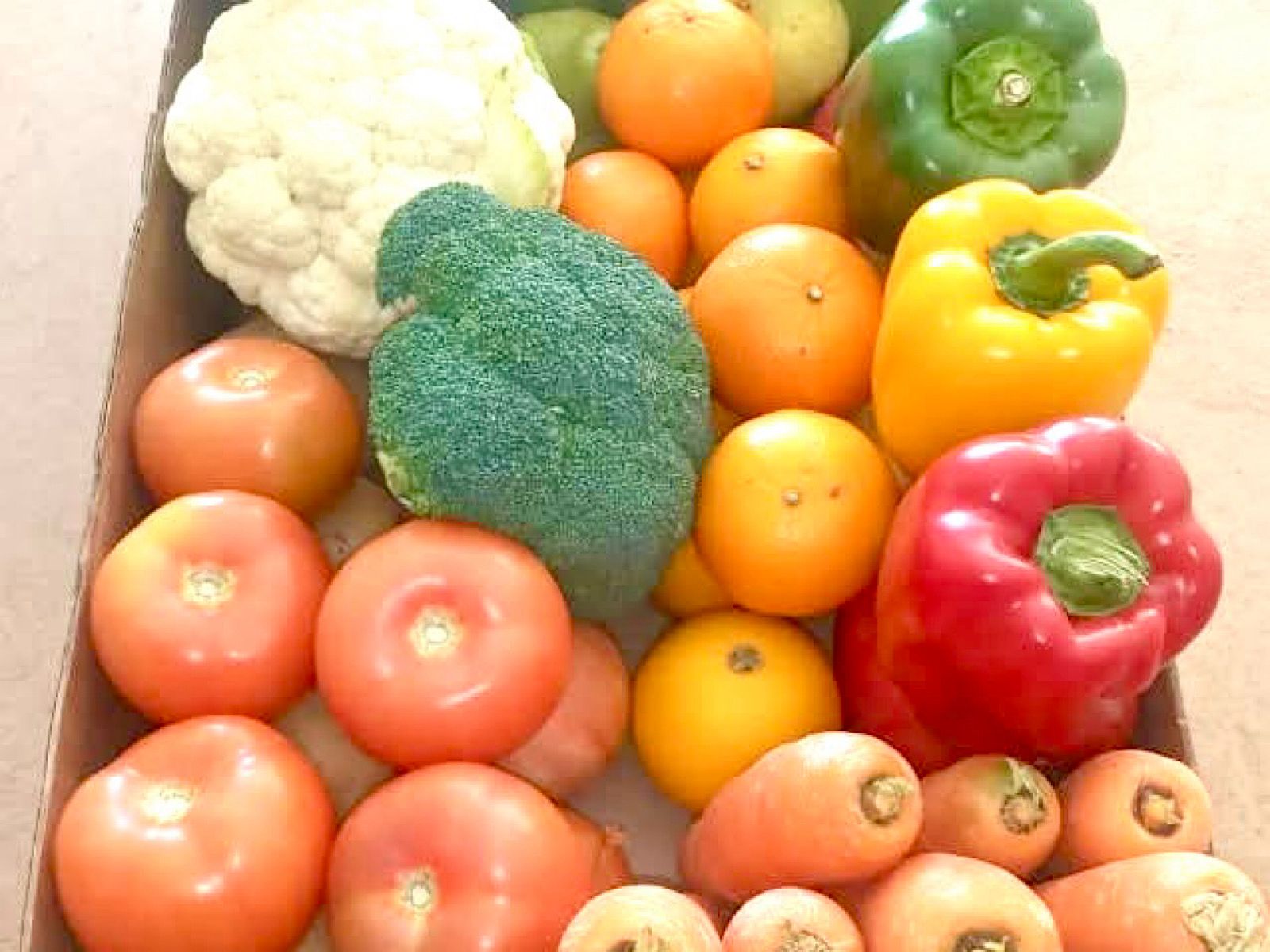
Pictured above: Fresh vegetables and fruits.
Image source: Facebook