
- Diesel could rise by up to R2.90 a litre and petrol by up to 90 cents when new fuel prices are set for September.
- Peace talks in the Middle East keep failing, keeping world oil prices high and pushing up what South Africans pay at the pump.
Fuel prices look set to go up again in September, and taxi drivers and commuters will likely feel it first.
New numbers from the Central Energy Fund, the body that tracks fuel costs, show diesel heading for an increase of around R2.73 a litre for one type and R2.90 for another. Petrol is looking at a smaller but still real increase, currently around 66 to 77 cents a litre, though this could grow to 80 or 90 cents by the time the final number is set at the end of the month. Paraffin, used by many households for cooking, could go up by about R2.14.
Why does this keep happening? South Africa buys almost all its fuel from other countries, so when oil prices rise overseas, it shows up at our pumps a few weeks later. Right now, the reason oil is expensive is the ongoing war involving the US, Israel and Iran. A key shipping route for oil, the Strait of Hormuz, has been mostly closed since the war began, and hopes for peace keep falling apart.
A commodities analyst at SEB, Ole Hvalbye, told Reuters there is currently no near-term hope of oil flowing normally through that route again.
It’s been a rough few months either way. Petrol (95 octane) cost R19.47 in March. By August it had risen to R24.71, after peaking even higher at R27.19 in June. Diesel’s wholesale price moved from R17.70 in March to R25.30 in August, after peaking at R30.30 in May.
For taxi operators, diesel is usually the bigger concern, since most taxis and minibuses run on it, and a near-R3 jump in one month adds real pressure to running costs. When diesel and petrol both rise for a sustained period like this, taxi associations have previously used it to justify fare increases, though a fare hike is never guaranteed and depends on individual associations and routes.
There is a small silver lining. Some experts think prices could ease slowly over time.
JP Morgan expects the world oil price to drop a little by the end of the year, and drop a bit more next year. But for now, oil still costs a lot more than it did before the war started.
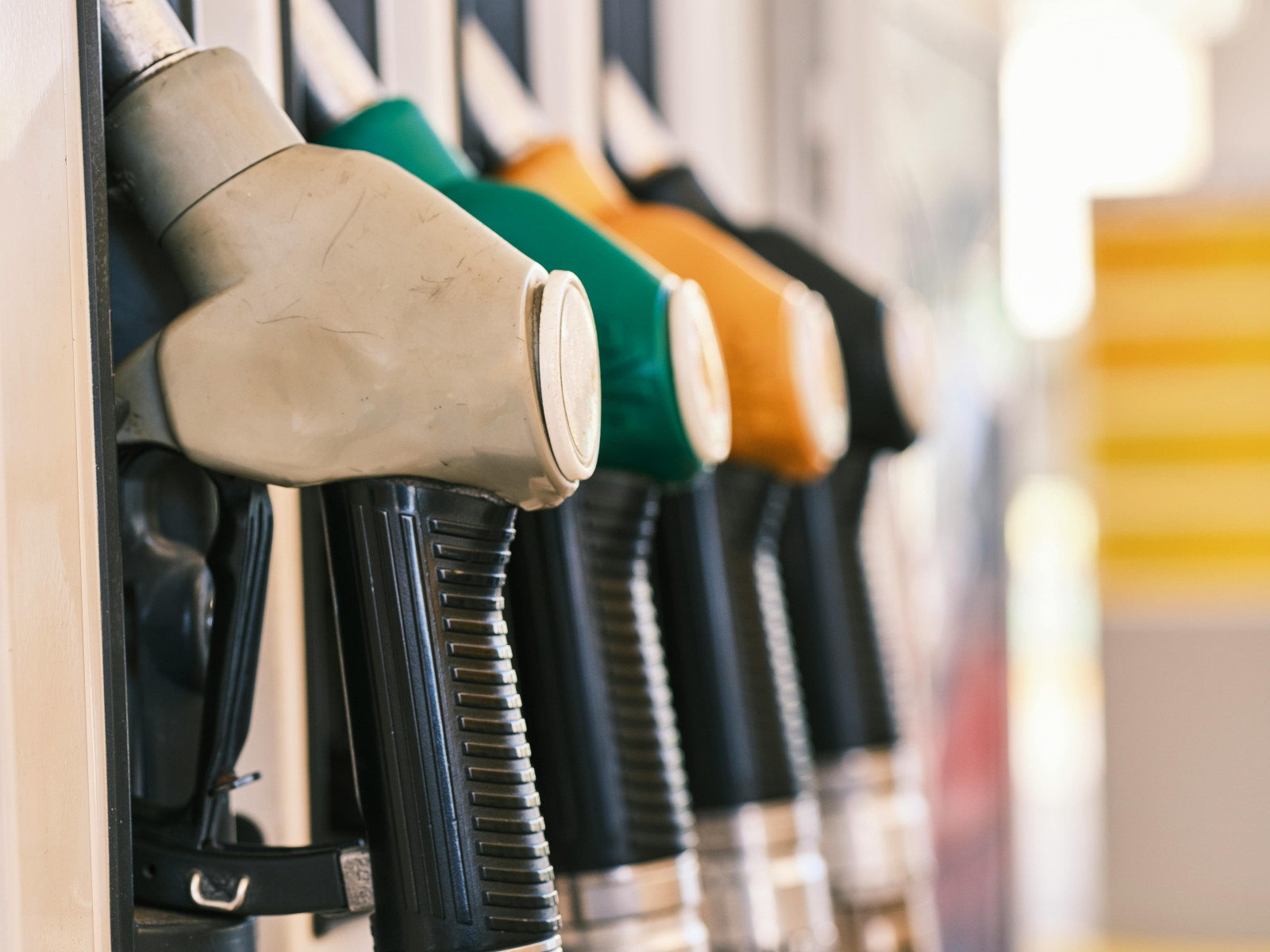
Pictured above: A fuel pump.
Image source: File