By Everson Luhanga
- Colonel Nthipe Boloka played a key role in stopping Rosemary Nomia Ndlovu, a former police officer later convicted of murdering family members for insurance money.
- Boloka acted after a police informer warned him in 2018 that Ndlovu was planning to kill her mother, sister and children, leading to her arrest.
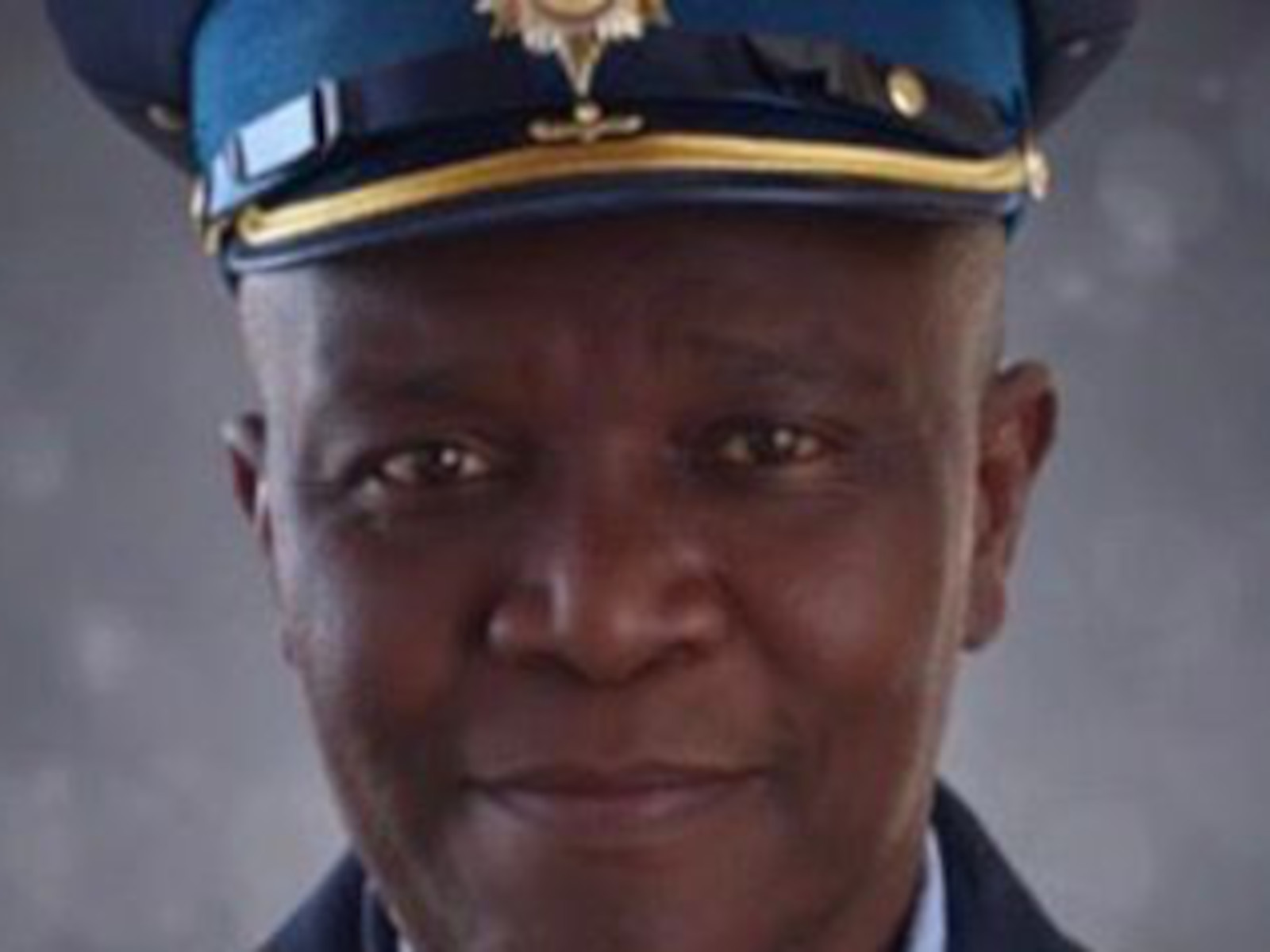
Colonel Nthipe Boloka, the former station commander of Tembisa South Police Station, has died.
Boloka played a key role in the case that led to the arrest and conviction of former police officer Rosemary Nomia Ndlovu, later known as the Killsurance Queen.
Much of the public attention focused on the investigating officer who cracked the case. Boloka worked quietly in the background to make sure action was taken.
He spent more than 30 years in the police. He joined the force in 1987 in Soweto and worked as a detective on many serious and sensitive cases.
The Ndlovu case stood out.
In December 2016, about 20 people rushed into the charge office at Tembisa South Police Station. They said Ndlovu owed them money and demanded payment.
Boloka said it was the first time he had seen such chaos inside a police station. He took note of the incident and kept it in mind.
In 2018, a major warning came.
One of the hitmen Ndlovu is said to have hired was also a police informer. The informer went straight to Boloka and said Ndlovu was planning to kill her own family.
The informer said she first wanted her mother killed. Later, she asked for the murder of her sister and her sister’s children in Mpumalanga.
The hitman refused and feared for the family.
Boloka immediately passed the information to provincial crime intelligence and worked closely with the investigating officer to plan Ndlovu’s arrest.
She was arrested on 7 March 2018. She later faced charges for murdering five people and planning or trying to kill at least eight others.
Boloka also helped calm angry residents who once stormed the station demanding money they said Ndlovu owed them.
He later said that if he had not acted quickly, more family members would have been killed.
Pictured above: Colonel Nthipe Boloka.
Image source: Supplied