By Rorisang Modiba
- Weather expert Juandre Vorster says high moisture from a wet summer could lead to a colder and wetter winter across South Africa.
- Vox Weather meteorologist Annette Botha says it is too early to predict winter conditions and warns there is no clear link to summer rain.
South Africa could face a cold and wet winter after a summer filled with heavy rain, floods, hail and storms.
Weather expert Juandre Vorster, known as The Weather Hooligan, said winter may be colder because of the high moisture left behind by the wet summer.
He said that after a wet summer, winter is often colder as moisture can freeze during the colder months.
Vorster also said winter is unlikely to be dry.
He added that rain is possible in Gauteng during winter, which would make conditions even colder.
Vorster said he also expects snow this year.
However, Vox Weather meteorologist Annette Botha said there is no clear or consistent link between a very wet summer and a colder winter.
She said it is still too early to predict what winter weather will look like in South Africa.
Botha explained that climate systems are complex and driven by factors such as ocean temperatures, pressure systems and global climate patterns.
She said these factors have a much stronger influence on winter weather than what happened in the previous season.
Botha added that each winter behaves differently and has its own characteristics.
She said current climate indicators show La Niña conditions continuing through the rest of summer.
These conditions are expected to weaken into neutral levels during autumn.
Botha said the chances of El Niño increase toward late winter and early spring.
She said this explains why the eastern parts of the country remain wet and storm prone, while the west stays hot and dry.
For farmers, this means higher rainfall risks may continue in the east, with more changeable conditions in autumn.
As the year moves on, warmer and drier conditions may develop if El Niño forms.
TLU SA chairperson Bennie van Zyl said the country is facing extreme contrasts.
He said some areas are dealing with flooding that damages farms and infrastructure, while other regions face severe drought and water shortages.
Van Zyl added that farmers are also struggling with challenges like the foot and mouth disease outbreak.
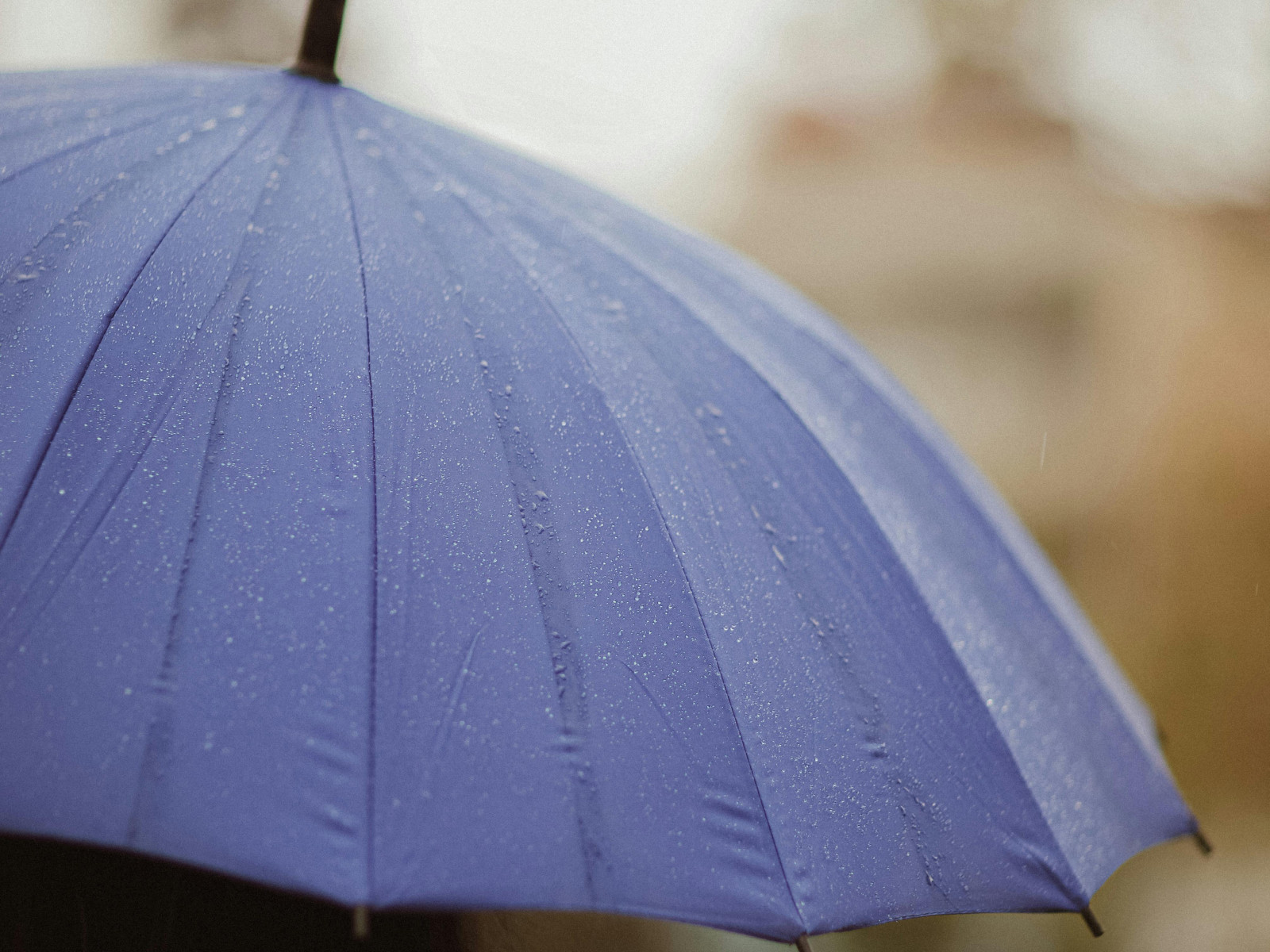
Pictured above: An umbrella in the rain.
Image source: Pexels