
- WattWallet offers small prepaid electricity advances to households who run out early, allowing repayment at month end with clear rules.
- Creators Keagan and Zhaida Juries are raising funds for a thirty day community trial after surveying seventy five local households.
A Cape Town couple has come up with a simple idea to help households who run out of prepaid electricity before the end of the month.
Keagan and Zhaida Juries created WattWallet, a pilot project that lets people get a small electricity top up when their power runs out.
The idea is simple. Households can pay the electricity back at month end, with a small service fee and clear limits.
Juries said many people do not run out of power because they are careless.
“Most people don’t run out of electricity because they’re careless. They run out because life happens before month end,” he said.
What makes WattWallet different is how it works. The system is text based and does not need a smartphone or lots of data.
This makes it easier for people using old phones or limited data to access help when they need it.
The idea is still at an early stage. The couple has built a working prototype but has not launched it yet.
They said they are focusing on fairness, planning and legal compliance before offering the service to the public.
The couple surveyed 75,000 households in their Cape Town community.
84% said a small electricity buffer would help them get through the month.
Many said they run out of power because of unexpected use or because money runs out before payday.
To test the idea, the couple launched a BackaBuddy campaign to fund a thirty day community trial.
The funds will cover electricity buffers and basic running costs.
The idea comes as many South Africans struggle financially. A FinMark Trust survey found millions of adults are under financial pressure and borrow to cover basics like food.
Electricity prices are also expected to rise again after Eskom reported a large funding shortfall and proposed higher tariffs.
WattWallet aims to act as a safety net, not a debt trap, when homes are left without power before payday.
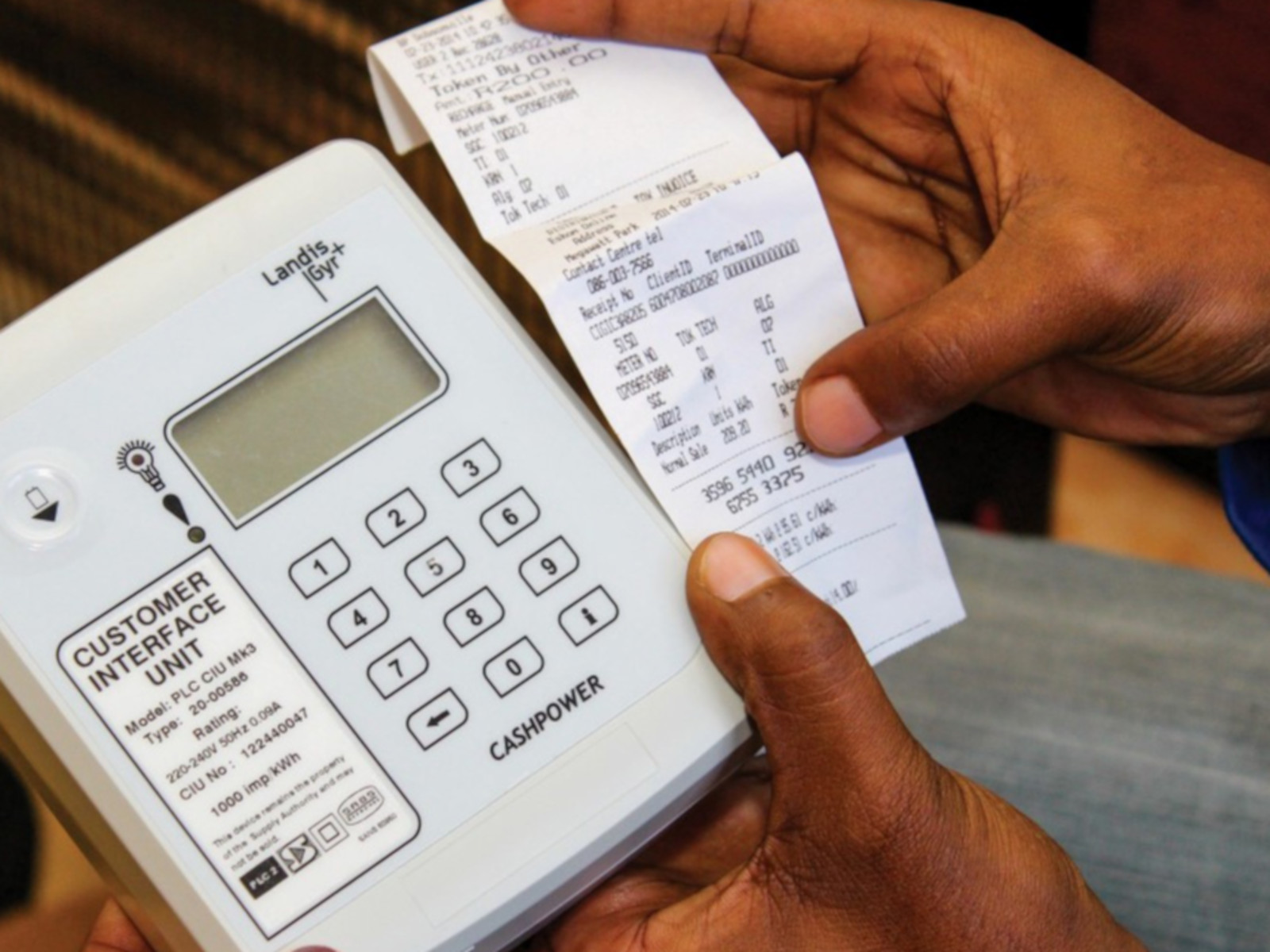
Pictured above: A prepaid electricity meter.
Image source: Eskom