- Dr Nokuzola Mndende of the Icamagu Institute says the Municipal Demarcation Board treats traditional leaders the way colonial powers did at the 1884-85 Berlin Conference.
- The Board has previously said it kept outer municipal boundaries unchanged for this election cycle specifically to preserve stability.
The Municipal Demarcation Board is accused of undermining traditional leaders. Every five years, it redraws ward boundaries on their land, but leaders say they are not properly consulted first.
The Icamagu Institute raised this concern this week, as the country gets ready for local government elections on 4 November. The Institute said the Board is treating traditional leaders the way colonial powers treated Africa at the 1884-85 Berlin Conference. Back then, European powers carved up the continent’s borders without asking Africa’s own traditional leaders.
Dr Nokuzola Mndende of the Icamagu Institute said land under traditional leadership keeps getting redrawn, without proper talks with the leaders themselves.
“We still have a problem with the Municipal Demarcation Board. They still work the way the Black Administration Act of 1927 did. That colonial law let the governor decide what happened to the land of our ancestors. It turned our kings and queens into subordinates of the governor. That is what this Board is doing today. They do as they please with land under traditional leadership. That is why communities keep finding themselves shifted from one municipality to another,” Dr Mndende said.
The Board has, in some cases, spoken directly to traditional leaders. In eThekwini, for example, the Board held formal talks with traditional leaders about ward changes ahead of this election.
Last year, the Board decided not to change outer municipal boundaries ahead of the 2026 elections. It said this would help keep municipalities stable and protect service delivery. The Board said municipalities that go through boundary changes often end up with worse governance, and that lengthy public consultations and research led it to keep the outer boundaries as they are in several disputed cases. Even though outer boundaries stayed the same, communities could still weigh in on smaller changes within their wards, through “know your ward” campaigns.
The Municipal Demarcation Board did not respond to questions sent by email by the time of publication.
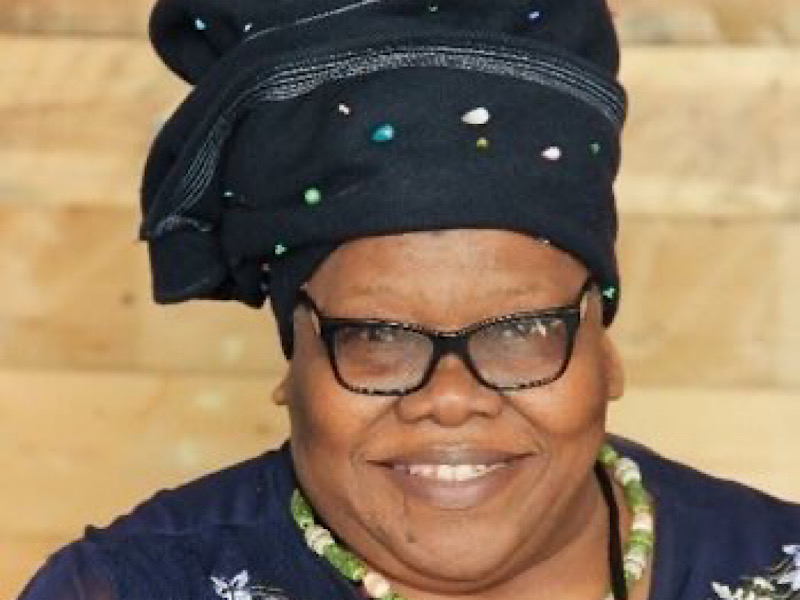
Pictured above: Dr Nokuzola Mndende of the Icamagu Institute, who has accused the Municipal Demarcation Board of undermining traditional leadership in how it demarcates their land.
Image source: University of Cape Town