- The government will hold the Day of Reconciliation at the Blood River battlefield in Nquthu on 16 December where Zulu regiments fought Voortrekkers in 1838 in one of South Africa’s biggest battles.
- Zulus commemorated it as King Dingane’s Day and Afrikaners as Day of the Vow until President Nelson Mandela renamed it Day of Reconciliation in 1995 to unite the country.
The Day of Reconciliation is going back to where it all started.
The National Department of Sports, Arts and Culture announced that this year’s commemoration will take place at the Blood River battlefield in Nquthu, northern KwaZulu Natal, on 16 December.
This is where one of the biggest battles in South African history happened in 1838 between Zulu regiments and Voortrekkers.
King Dingane kaSenzangakhona’s warriors, led by commanders Nzobo and Ndlela kaSompisi, fought against Andries Pretorius and his Voortrekkers at eNcome. So much blood flowed into the river that day that it became known as Blood River.
For many years, Zulus commemorated the battle as King Dingane’s Day. Afrikaners called it the Day of the Vow and came to pray every 16 December.
The Afrikaners erected a tombstone on the banks of Blood River. They made a vow in 1838 that if they won the battle, they would come every year to pray and thank God for their victory. They still bring their families to pray at that stone every 16 December.
The Zulus meet on the other side of the river to remember their ancestors who sacrificed their blood to protect their land.
In 1995, President Nelson Mandela’s democratic government renamed the day the National Day of Reconciliation. The aim was to unite black and white people under the Rainbow Nation theme and heal the wounds of apartheid.
But both Zulus and Afrikaners continued with their own commemorations.
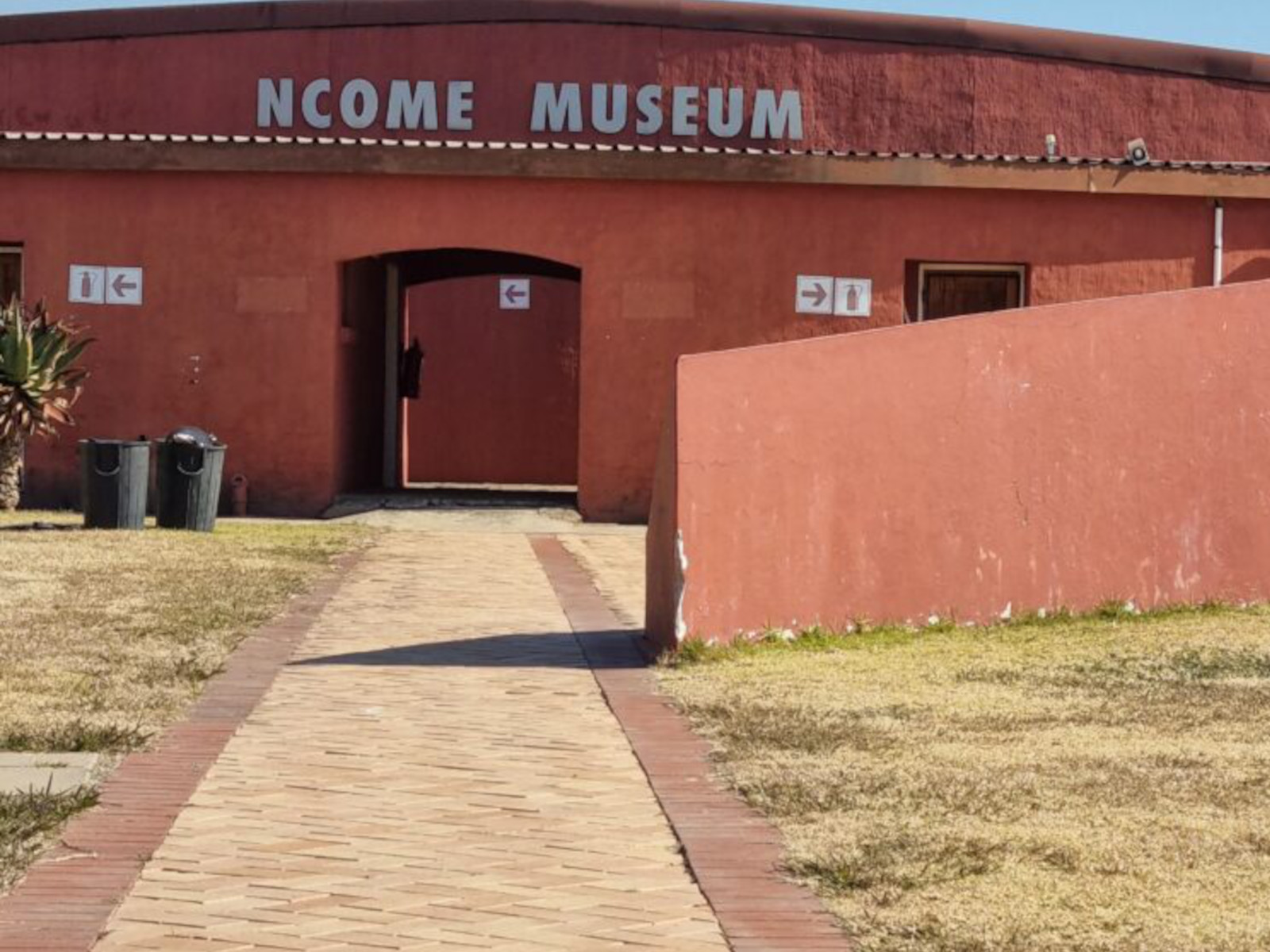
The event will be held at Ncome Museum on 16 December, on the same spot where the battle took place over 180 years ago.
This year’s theme is “Reaffirming Reconciliation for Future Generations”.
Pictured above: Ncome Museum where the Day of Reconciliation will be held on 16 December.
Image source: Museum Explorer SA